

The Best Fashion Staples Every Closet Needs
A staple only earns the name if it survives. A white shirt that yellows at the collar within a year was never a foundation piece, whatever it cost.
Each of these garments fails in a specific, predictable way. Black fades. Knits pill. Wool trousers shine at the seat. Flats wear through at the ball of the foot. None of it is random.
The twelve sections below name what kills each of the best fashion staples, and what delays it. Most of the fixes cost nothing, and several of them take less effort than the habits they replace.
The Classic White Shirt

White shirts die at the collar and the underarms. Sebum from skin causes the first. Aluminium salts in antiperspirant reacting with sweat cause the second, and that reaction sets into a stiff yellow patch.
Timing beats treatment. Both marks bond to cotton over weeks. Washing after one or two wears removes what a stain remover later cannot.
Chlorine bleach makes it worse rather than better. It reacts with protein residues and can deepen the yellowing, whereas an oxygen-based bleach lifts it without that risk.
A Well Fitted Pair of Jeans

Heat is what ruins stretch jeans. Elastane degrades in a hot wash and a hot dryer. Once it breaks down, the denim bags at the knee and never recovers.
Cold water and line drying prevent most of that. Turning them inside out also protects the surface dye, which is what fades along the thigh first.
Inner thigh wear is the other failure, caused by friction rather than washing. Patch it from the inside while the fabric is merely thin. That repair lasts far longer than one attempted after a hole appears.
The Little Black Dress
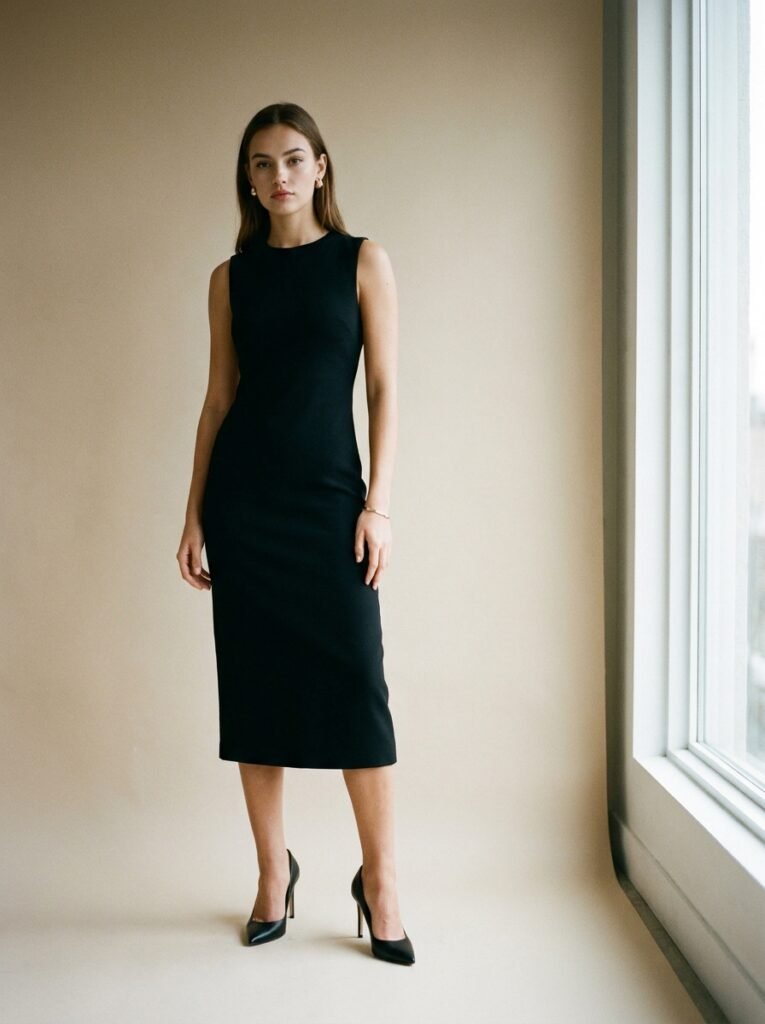
Black garments rarely wear out. They fade to a tired grey and get replaced for that reason alone.
Two culprits do most of it. Optical brighteners in ordinary detergent deposit a bluish-white bloom on dark fabric. Sunlight during drying bleaches the dye directly.
A detergent formulated for darks, a cold cycle, and drying inside out away from a window address all of it. Washing less often helps as much again, since every cycle removes a little dye.
A Tailored Blazer

Wire hangers destroy blazers slowly and invisibly. The narrow hook digs into the shoulder padding and leaves a permanent dent that no pressing removes.
A broad wooden hanger that matches the shoulder width solves it for the price of one coffee. That single swap outlasts almost any other care habit.
Dry cleaning too often causes the other damage. The solvents dry out wool fibres over time, and airing a blazer overnight with a soft brush handles most wears. Cleaning belongs a few times a year rather than monthly.
Comfortable Everyday Flats
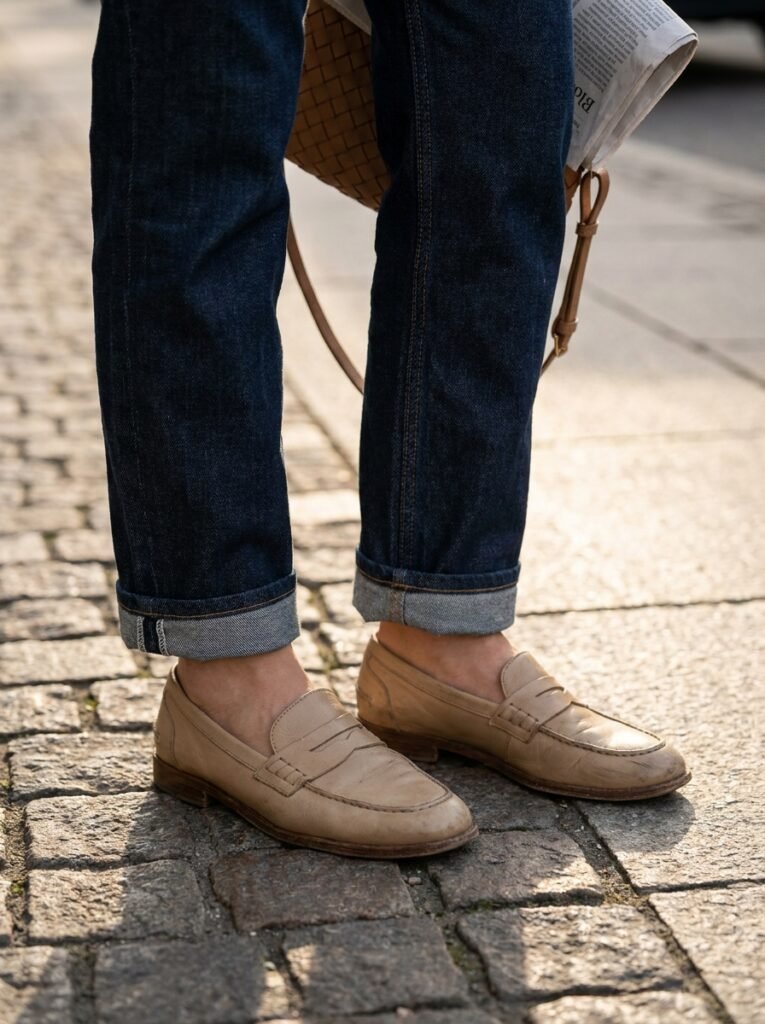
Flats wear through at the ball of the foot. Once the sole opens, the shoe is finished. Repairing it afterwards costs more than the flats did.
A cobbler fitting a thin rubber half-sole before the first wear changes the arithmetic entirely. It costs a small amount and can double or triple the life of the shoe.
Rotation does the rest. Shoes worn on consecutive days stay damp inside, and leather that never fully dries breaks down considerably faster.
A Versatile Neutral Bag
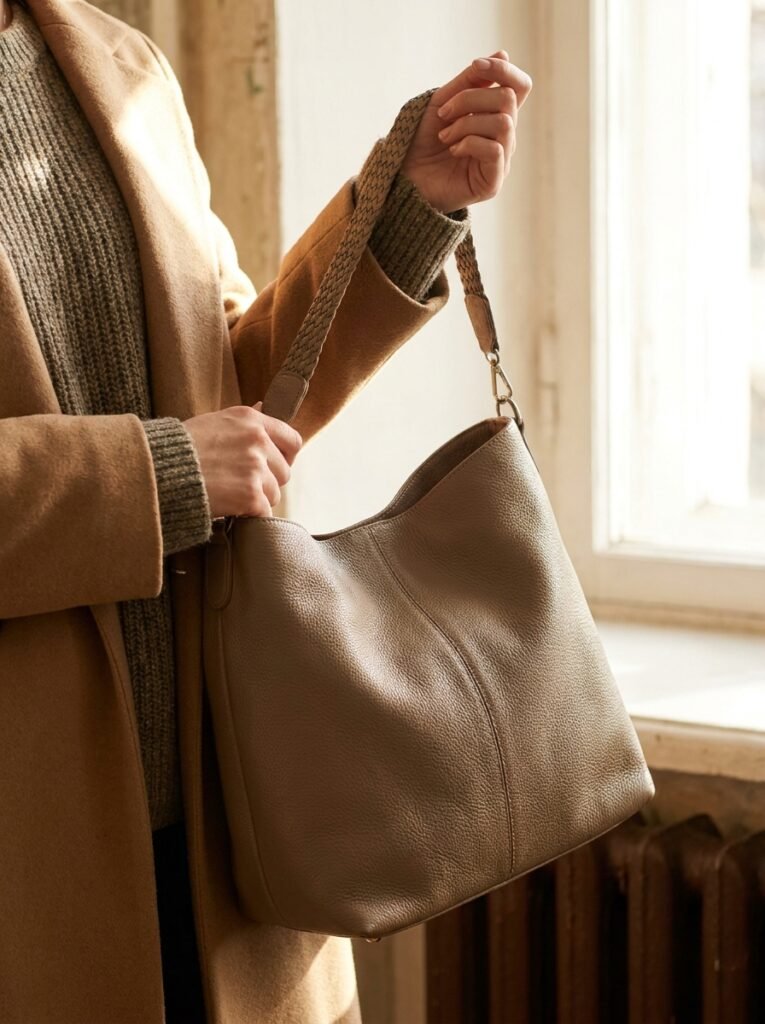
Bags fail at the corners and the strap joints, because both take concentrated stress. A bag stored hanging by its strap spends months pulling at exactly those points.
Store it upright and lightly stuffed. That removes the strap strain and the creases a soft bag develops collapsing on itself.
Dye transfer catches out pale leather. Raw denim rubs indigo onto a cream or tan bag, and once it penetrates the surface it rarely comes out. A protective spray applied when new gives a fighting chance.
A Cozy Knit Sweater

Hanging a sweater is the fastest way to ruin it. Knitted fabric stretches under its own weight, and the shoulders develop points that never come out.
Folding solves that completely and costs nothing. Pilling is the other complaint, and it comes from friction at the underarms, cuffs, and wherever a bag strap sits.
Pills are cosmetic rather than terminal. A fabric shaver removes them in minutes and restores the surface. A mesh laundry bag slows how fast they form again.
A Classic Trench Coat

Trench coats stop repelling water long before they look worn. The finish applied to the cotton washes and wears away, and the coat starts soaking through instead of beading.
Reproofing restores it. A spray-on treatment on a clean, dry coat takes twenty minutes. It brings back the behaviour the coat was bought for.
Storage matters too. A damp trench hung in a closed wardrobe grows mildew in the lining. Hanging it somewhere airy until fully dry protects the part nobody inspects.
A Simple White T-Shirt

Two things end a white tee, and the neckline goes first. Hangers stretch it. So does pulling the shirt off by the collar instead of crossing the arms and lifting from the hem.
Greying is the second, and hard water causes more of it than people assume. Mineral deposits build in the fibres and dull the white. The same shirt therefore looks different in different houses.
An occasional wash with a water softener or a cup of white vinegar strips that buildup. Washing whites separately handles the rest, since a single dark item is enough to shift the tone permanently.
Well Fitting Trousers

Wool trousers develop a shine at the seat and the knees. Friction flattens the surface fibres, and flattened fibres reflect light in a way that reads unmistakably as worn out.
Ironing directly onto the fabric produces the same effect faster. A pressing cloth between the iron and the trouser prevents it entirely, and steaming avoids the problem altogether.
Wool also recovers on its own if allowed to. A day of rest between wears lets the fibres spring back. Two pairs worn alternately therefore outlast one pair worn daily by more than double.
A Versatile Midi Skirt

The lining usually fails before the skirt does. It is thinner than the outer fabric and takes constant friction. It splits at the seat and the hem while everything else stays sound.
A lining counts as a replaceable part. Any alterations shop will fit a new one. The cost sits far below replacing a skirt that is otherwise fine.
Snags need pulling through rather than cutting. A snag hook or fine crochet hook draws the loop to the inside. Scissors create a hole that will run.
Quality Everyday Accessories
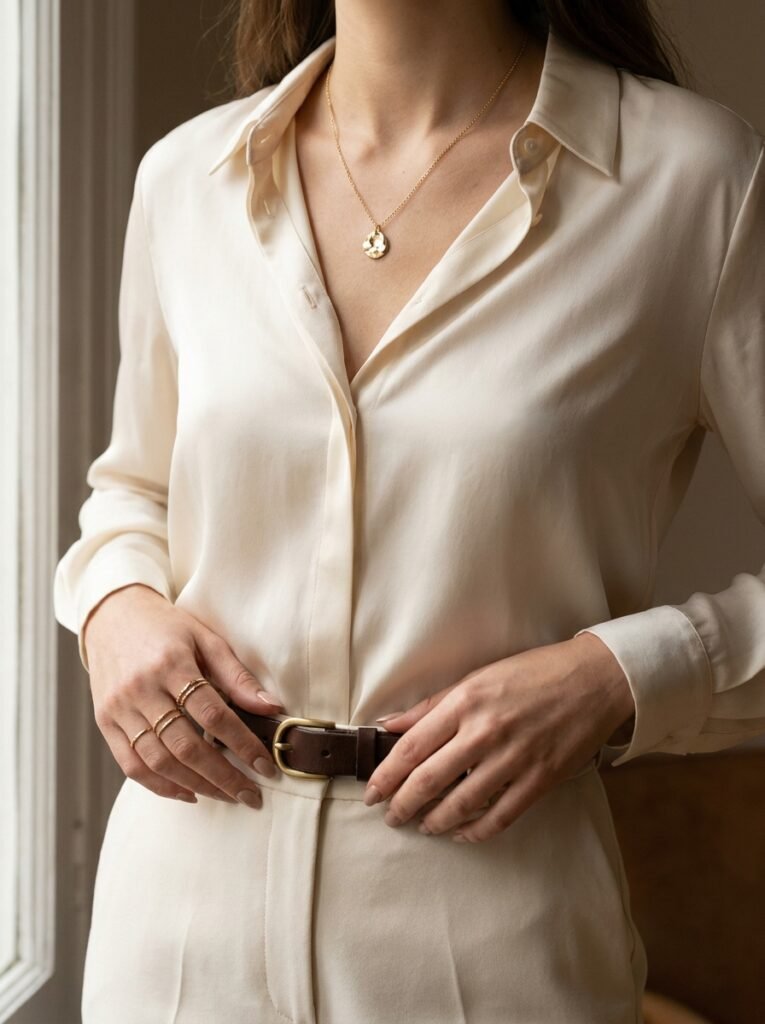
Plated jewellery loses its finish to chemistry rather than to wear. Perfume, hand cream, hairspray, and sweat all attack the plating layer and expose the base metal beneath.
Order of dressing fixes most of it. Jewellery goes on last, after scent and lotion have dried, and comes off first at the end of the day.
Belts fail at the fold. Roll a belt for storage rather than hanging it by the buckle. That prevents the crack forming where leather bends over one line for years.
Final Thoughts
The pattern across all twelve is that garments rarely wear out. They get replaced because something specific went wrong, and most of those things are preventable.
The gains are worth more than they sound. WRAP’s research puts a number on it. Nine extra months of life cuts a garment’s carbon, water, and waste footprints by up to 20 percent. Nine months is one hanger swap and one changed wash setting.
That reframes the usual advice about quality. Buying well matters. But the best fashion staples are the ones that survive ownership, and survival is mostly a question of habits. More on choosing pieces that work hard appears in this guide to gorgeous outfit ideas for work and weekends.
Frequently Asked Questions
What are the most important wardrobe staples?
A white shirt, well fitting jeans, a black dress, a blazer, and a trench coat cover most situations. What matters more is whether each one survives. A staple that fails within a year was never a foundation piece.
How many staples do I really need?
Fewer than most guides suggest, though duplicates of the hardest-worn items pay off. Two pairs of wool trousers worn alternately last more than twice as long as one worn daily. The fibres need a day to recover.
Should I invest in quality staples?
Quality helps, but care decides more. A wire hanger dents an expensive blazer just as fast as a cheap one. A hot dryer degrades elastane at any price point.
How do I build a wardrobe on a budget?
Protect what already hangs there first. A rubber half-sole on new flats, a broad hanger for the blazer, a dark-specific detergent. All cost very little and postpone several replacements.
Can I still follow trends with a staple wardrobe?
Yes, and trend pieces are the sensible place to spend less. Staples take the daily wear and justify a care routine. A seasonal item rarely stays long enough to need one.







One Comment