
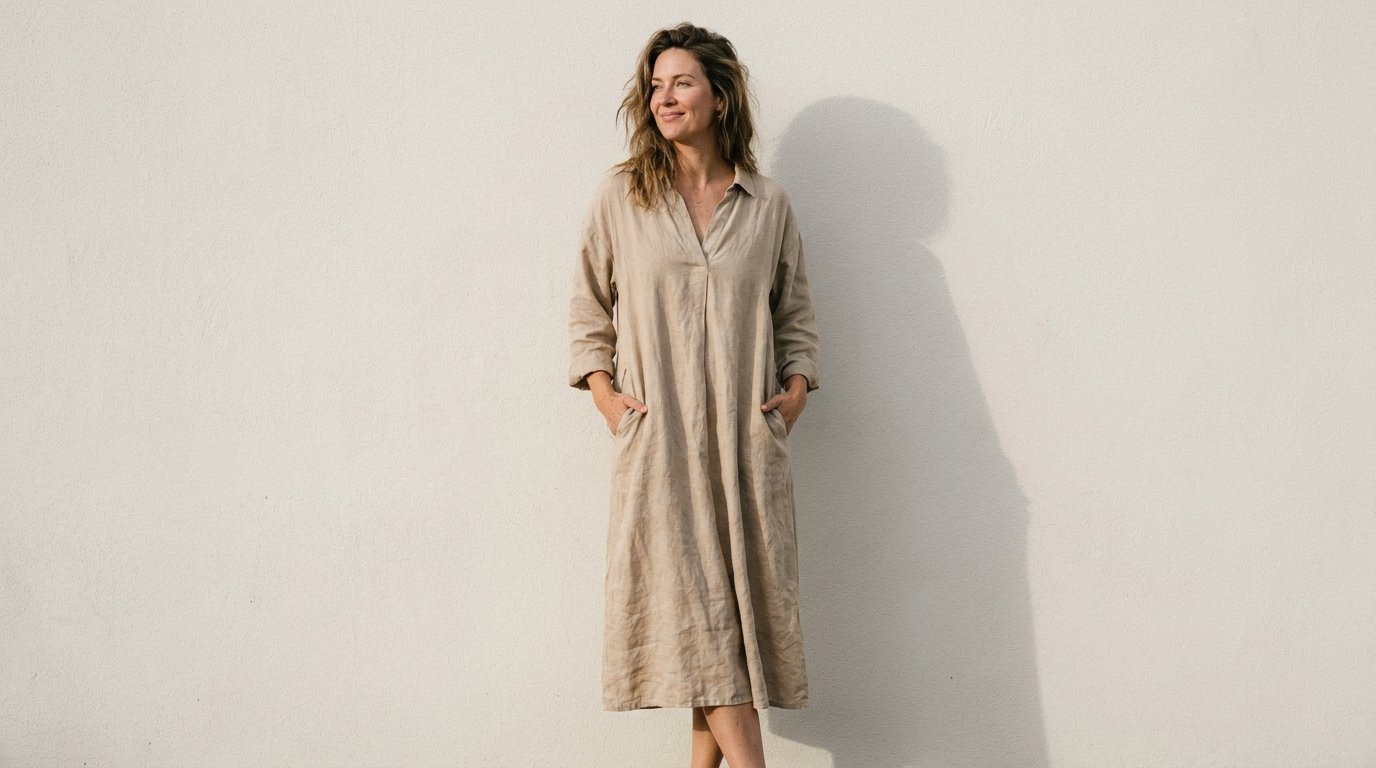
12 Ways to Style One Dress for Totally Different Looks
A full wardrobe that yields nothing to wear is a common complaint, and it usually points to a counting error rather than a shortage. Most people count garments. Outfits are what actually matter, and the two numbers move independently. Learning a few ways to style one dress raises the second number without touching the first.
1. The Polished Office Look with a Structured Blazer

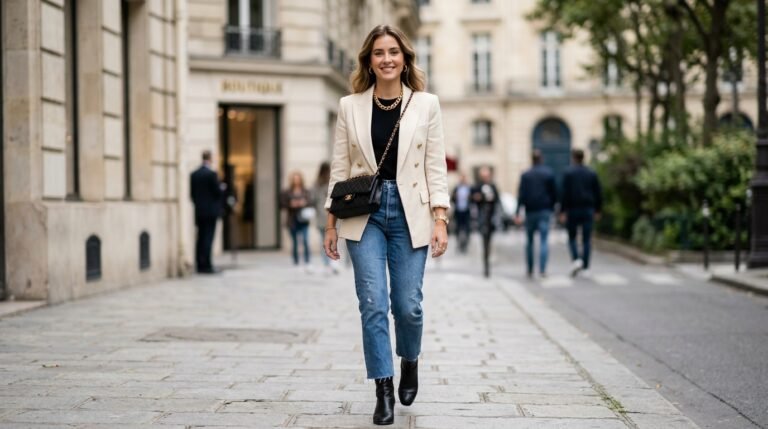
A blazer works on a dress because of where its hem lands. Ending just past the hip, it breaks the dress into two visible sections rather than covering it like a jacket thrown on top.
Shoulder fit decides the rest. The seam should meet the natural shoulder point exactly. Sitting inboard, it pulls across the back. Sitting past it, the whole line collapses and the structure disappears. Shoulders are also the one alteration a tailor struggles to correct cheaply.
Sleeve length carries a surprising amount of the polish. The blazer cuff should stop at the wrist bone, leaving a clear break before the hand rather than covering it.
2. The Casual Weekend Vibe with an Oversized Denim Jacket

Denim jackets sit at two very different lengths, and the choice matters more than the wash. A cropped jacket ends above the waist and leaves most of the dress visible. A longer one cuts across the widest part of the skirt.
Midi and maxi dresses generally prefer the cropped version. The jacket then reads as a deliberate proportion rather than as something that failed to cover the outfit.
Rigid denim holds its own shape and keeps the boxy line. Stretch denim collapses against the dress underneath and loses the contrast that makes the combination work.
3. The Romantic Date Night with Heeled Strappy Sandals

Heels change a dress by moving the hem, not by adding height. Three inches of lift raises a midi hem three inches up the calf, which changes the whole proportion.
That shift decides whether the shoes read as elegant. A hem finishing at the narrowest part of the calf lengthens the leg. A hem landing at the widest part shortens it, and the same shoes then look wrong for no obvious reason.
Ankle straps cut the line horizontally. On anyone worried about that break, a strap in a tone close to the skin softens it considerably.
4. The Athleisure Ensemble with White Sneakers and a Hoodie
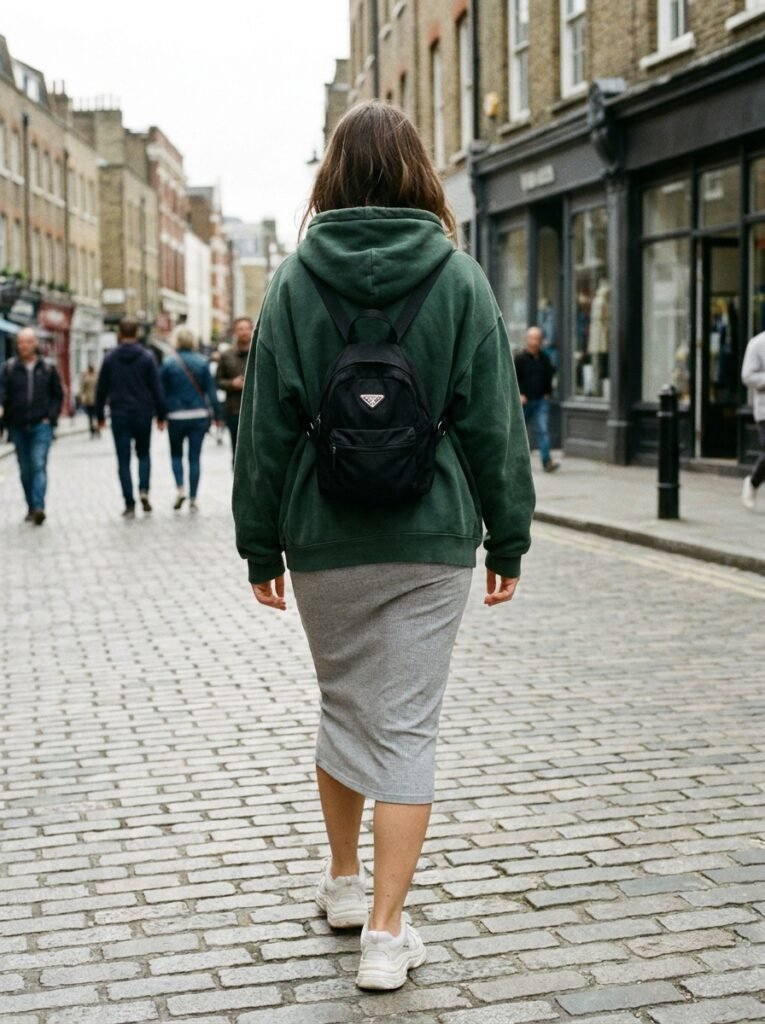
Fabric contrast carries this combination. Technical jersey against a woven or silky dress creates the tension the look depends on. Two soft knits together lose it entirely.
Bulk is the usual failure. A hoodie over a dress adds volume at the waist, exactly where the outfit needs definition. A cropped hoodie or one pushed up and knotted at the front solves it in seconds.
Sneaker profile matters too. A low, slim trainer keeps the leg line clean beneath a midi. A chunky sole shortens the visible leg and demands a shorter hem to balance it.
5. The Bohemian Layers with a Flowing Cardigan
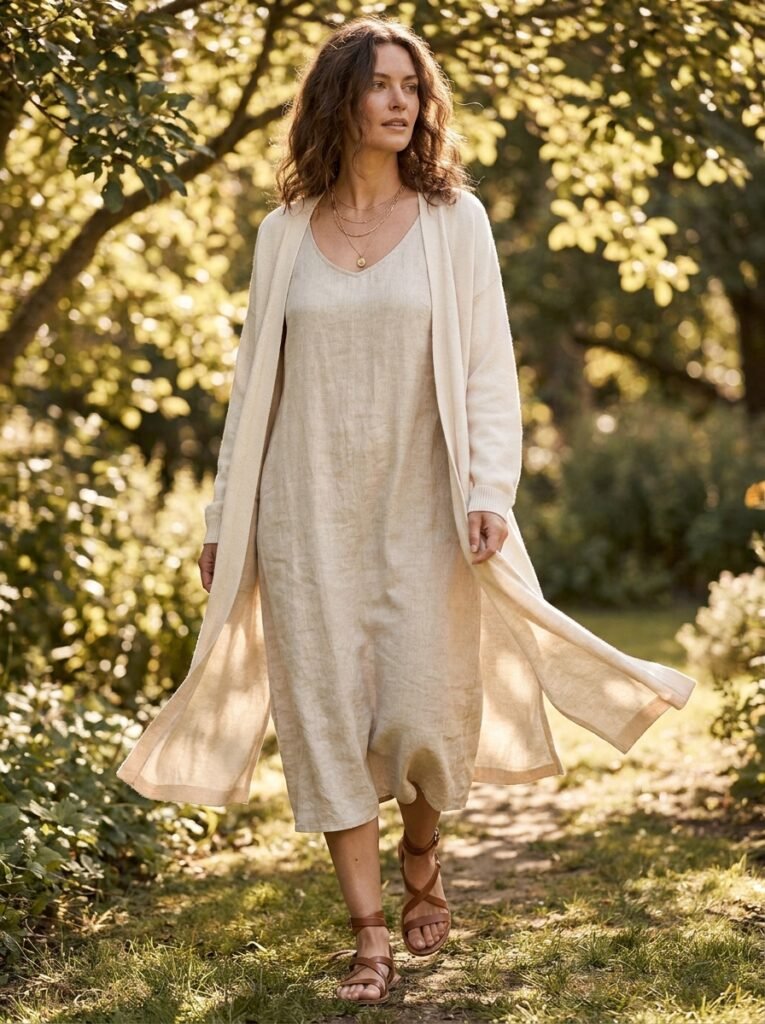
A long open cardigan creates two vertical panels down the sides of the body. Those panels do the lengthening, which is why the style suits maxi and midi dresses so well.
The cardigan hem should not match the dress hem. Landing at the same point creates a horizontal line straight across the bottom of the outfit. Finishing clearly above or clearly below it keeps the vertical reading.
Weight determines whether the panels hang or float. A fine gauge knit drapes straight down. A chunky cable knit sits away from the body and adds width where the silhouette wanted length.
6. The Elevated Casual Look with a Tailored Vest
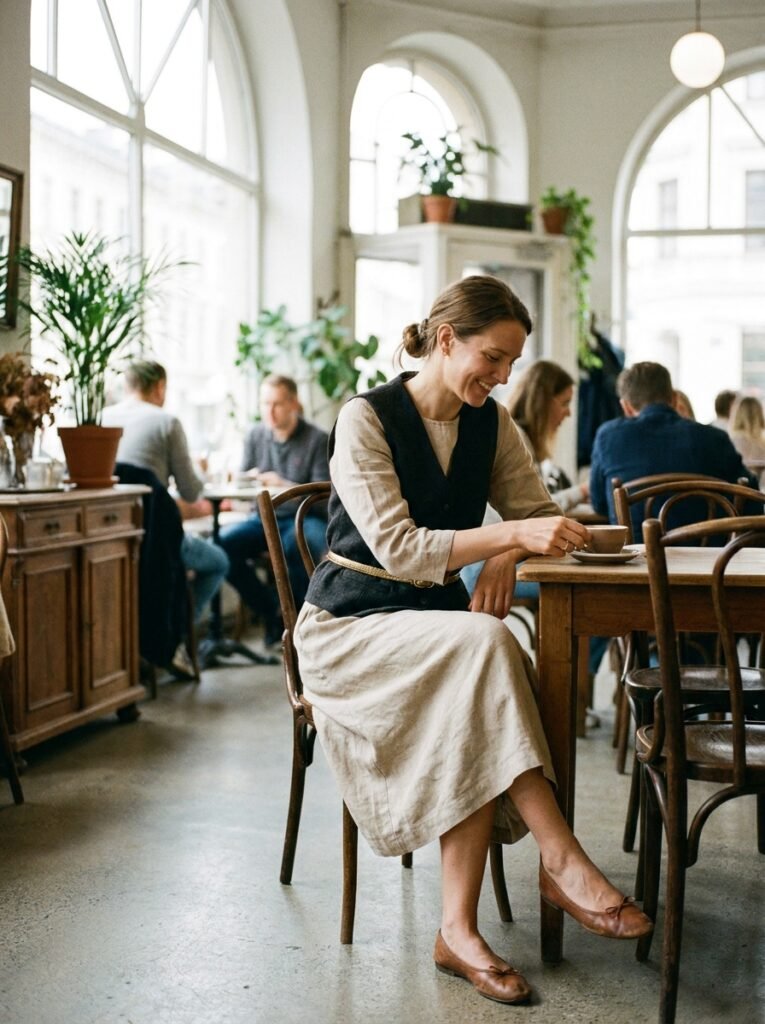
A waistcoat over a dress works through its neckline. The deep V draws a long diagonal down the centre of the body, which no other layering piece produces.
Fit runs opposite to every other layer here. A vest needs to sit close, since a loose one gapes at the armhole and shows the dress bunching underneath. Buying one size down from the usual is often correct.
The bottom button traditionally stays undone. That small gap lets the vest sit flat over the hip instead of pulling across it.
7. The Edgy Street Style with a Leather Jacket

Leather is the stiffest layer most wardrobes contain. Over a fluid dress that stiffness produces contrast rather than clash, which is the whole appeal.
Biker cuts sit shorter than most jackets, usually at the natural waist. That short length keeps the volume at the top and lets the skirt move freely below it.
Boot shaft height then finishes the look. An ankle boot leaves a gap of visible leg, which sharpens the outfit. A knee boot closes that gap and produces something much heavier.
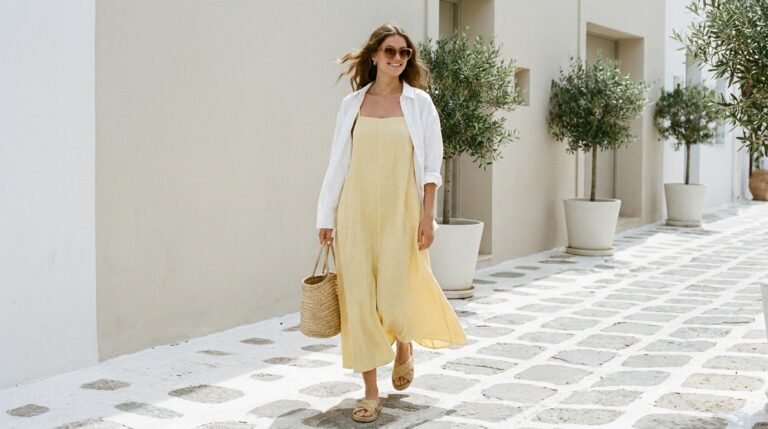
8. The Beachy Vacation Look with Sandals and a Cover-Up
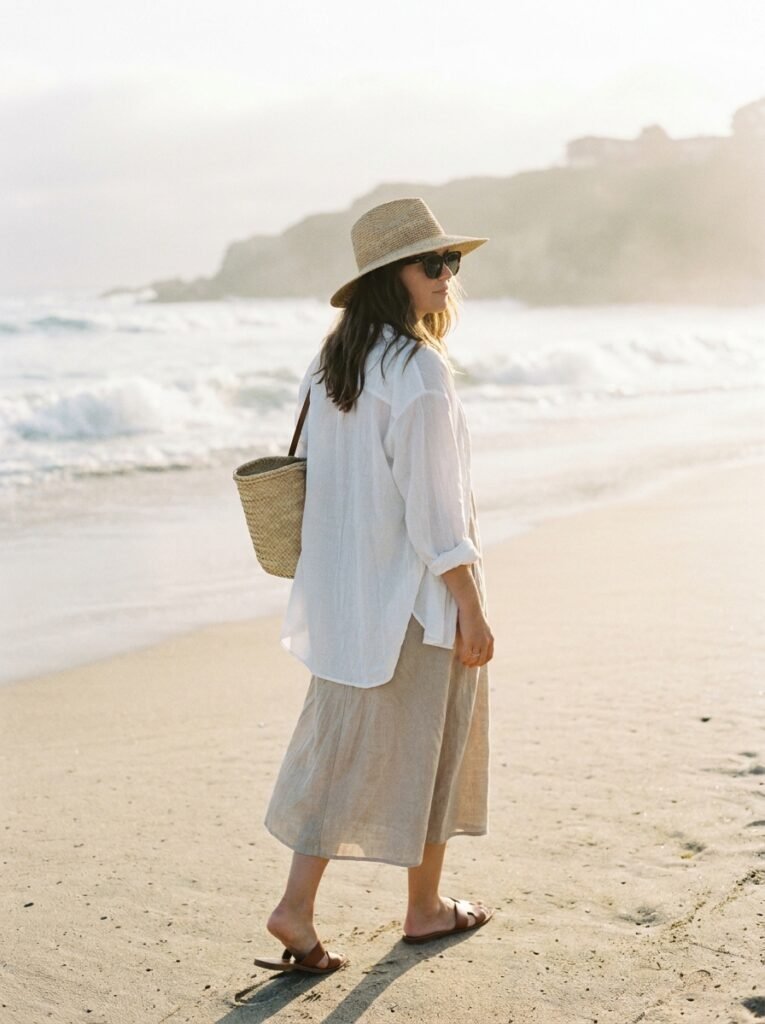
Packing is where a versatile dress earns its keep. One dress covering four looks replaces four garments, and the layers that transform it fold flatter than the dress itself.
Fabric choice governs how well the plan survives a suitcase. Linen creases and stays creased. Crepe, jersey, and blended viscose all recover overnight on a hanger in a steamy bathroom.
An open shirt over the top makes the transition from beach to dinner. Worn open it reads as a layer. Buttoned, it reads as a different outfit entirely, which doubles the value of one packed item.
9. The Fancy Event Look with Dressy Pumps and a Clutch
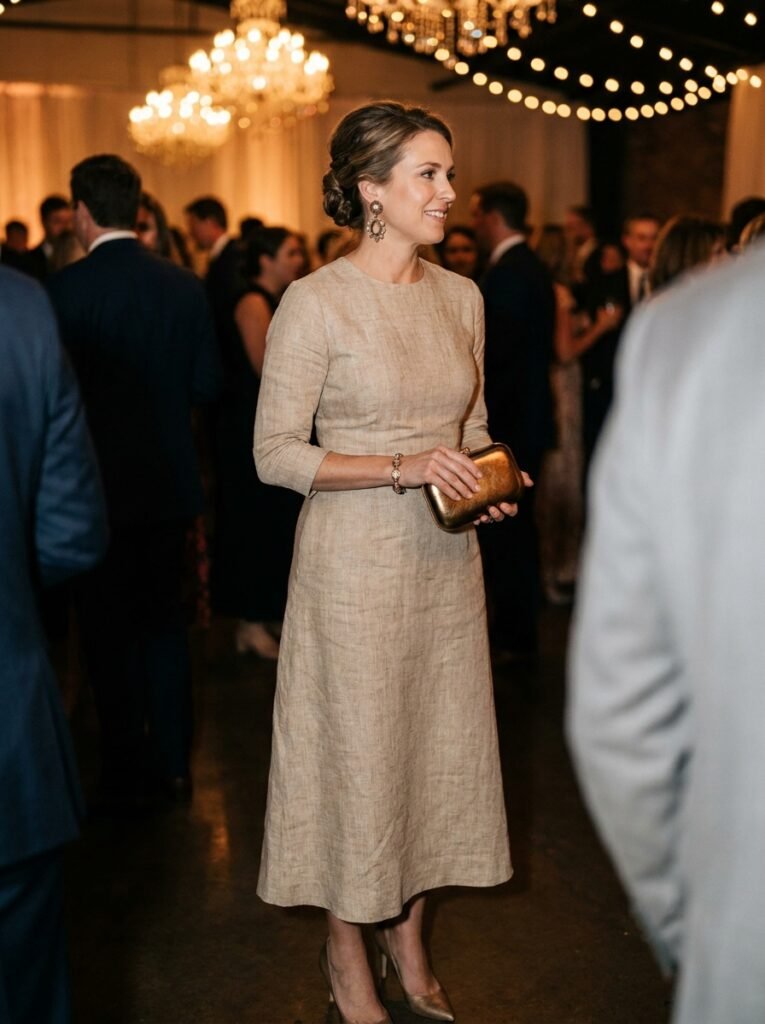
Formality lives in the accessories rather than the dress. Bag size is the strongest single signal. A small hard-cased clutch reads formal because it plainly cannot hold everyday items.
Surface finish does the second half. Matte cotton and jersey read casual whatever their shape. Satin, metallic leather, and anything with sheen read dressed up, which is why the same dress shifts register once the shoes change.
Closed toes generally outrank open ones for formal events. That single detail lifts an outfit further than adding more jewellery does.
10. The Layered Maxi Look with Sheer Tights and Loafers
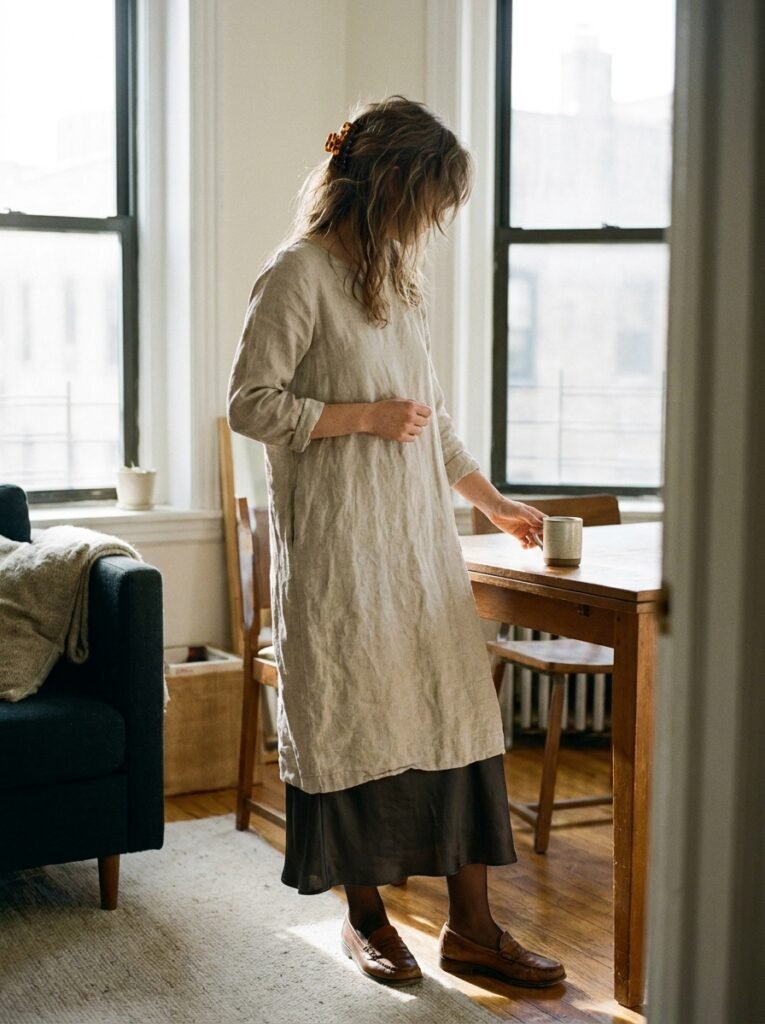
Tights are measured in denier, and that number does the seasonal work. Anything from 15 to 20 denier stays sheer. Anything from 40 upward reads as opaque and changes the outfit completely.
Tone matters as much as thickness. Tights close to the skin keep the leg line continuous. Black tights under a light dress create a hard break at the hem, which suits some outfits and ruins others.
Loafers need enough weight to balance the added coverage. A flimsy flat looks stranded beneath tights, while a chunky sole grounds the whole thing. This guide to fashion staples every closet needs covers which base pieces support layering like this.
11. The Maximalist Look with Bold Statement Accessories

Maximalism looks accidental without a rule underneath it, and repetition is the usual rule. One colour or one metal appearing three times across an outfit turns clutter into a scheme.
Layered necklaces need distinct lengths. Three chains at similar lengths tangle and read as one messy piece. Spacing them several centimetres apart lets each register separately.
One area should stay quiet. Loud jewellery with a loud bag and a loud shoe leaves the eye nowhere to rest, and the outfit reads as noise rather than intent.
12. The Minimalist Chic Look with Simple Flats and a Tiny Bag

Stripping the accessories back puts the whole weight on the dress. Fit and fabric then carry the outfit alone, with nothing to distract from either.
Shoes become the one decision. A pointed toe extends the leg line visually. A round toe stops it. Neither is better, but the difference is more visible here than in any of the other eleven looks.
Wrinkles and pilling show plainly in a minimal outfit. A dress that photographs well styled simply is generally a dress worth keeping.
Final Thoughts
Three variables recur across every one of these ways to style one dress. Where a layer ends, how stiff its fabric is, and how much leg the shoe leaves visible. Every combination above adjusts one or more of those three.
The arithmetic favours this approach. A dress plus four layers and four pairs of shoes yields far more outfits than nine separate garments, because each layer multiplies rather than adds.
There is a wider case too. The Ellen MacArthur Foundation reports that some garments are discarded after only seven to ten wears, with billions in value lost annually to clothes thrown out while still wearable. Restyling one dress a dozen ways pushes directly against that number.
Frequently Asked Questions
Which dress handles the most ways to style one dress?
A solid midi in a mid-weight fabric that holds its shape. Fabric matters more than colour. Crepe, ponte, and heavier jersey take a layer without collapsing under it, while thin viscose bunches wherever a jacket or vest sits over it.
How does the same dress avoid looking repetitive?
By changing silhouette rather than colour. A cropped jacket and a long cardigan produce genuinely different outlines from the same base. Swapping a bag or a necklace changes far less than most people assume, because the shape stays identical.
Do these combinations suit a professional dress code?
The blazer and waistcoat versions generally do. Both add structure at the shoulder, which is what most offices read as formality. Sleeve coverage and hem length usually matter more to a dress code than the dress itself.
Does the price of the dress affect the result?
Less than construction does. Lined dresses hang better and wrinkle less than unlined ones at any price. Seam finish and fabric weight predict how a dress survives repeated wearing far more reliably than the label.
How many outfits does one dress realistically produce?
The count multiplies rather than adds. Four layering pieces and four pairs of shoes generate sixteen combinations before jewellery enters the calculation. The practical limit is how many of those combinations actually suit the wearer’s week.


One Comment