
Fashion Inspiration for Every Style Personality
Every style personality has a characteristic way of going wrong. Classic tips into dowdy. Bohemian tips into costume. Minimalist tips into bland.
Those failures are predictable, which makes them fixable. Each aesthetic has one recurring fault and one specific correction for it.
That is more useful than a list of things to buy. Knowing which direction a look tips lets someone diagnose an outfit that feels wrong without being able to say why.
The fashion inspiration below is organised that way. Twelve style personalities, each with the trap it falls into and the single adjustment that pulls it back.
The Classic Style Personality

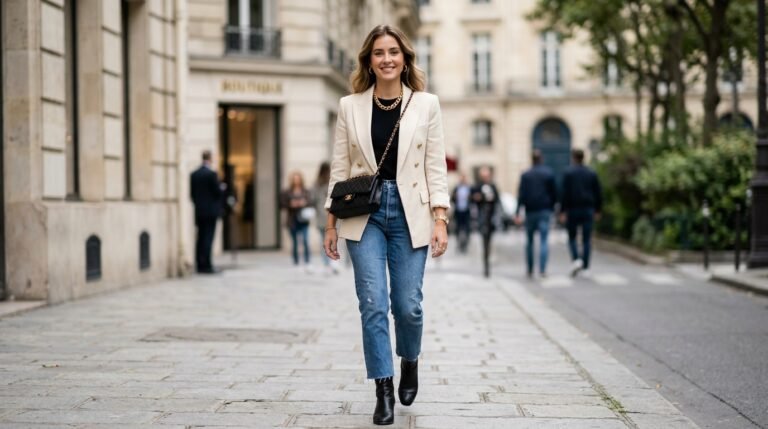
Classic dressing tips into dowdy, and proportion is always the culprit. The categories stay constant while the cuts move underneath them.
A trench coat is timeless as a category. A trench with 2010 shoulders sitting above a low-rise trouser is not, and the wearer usually cannot see why.
The correction is narrow. Keep the categories and update three measurements: shoulder width, trouser rise, and lapel width. Those three carry almost all the dating.
There is a simple test for it. Compare a current outfit against a photograph from five or six years ago. The pieces that have moved, and the ones that stood still, show up at once.
The Bohemian Style Personality

Boho tips into costume faster than any other aesthetic here. Its elements arrive as a set, and wearing the whole set at once reads as dressing up.
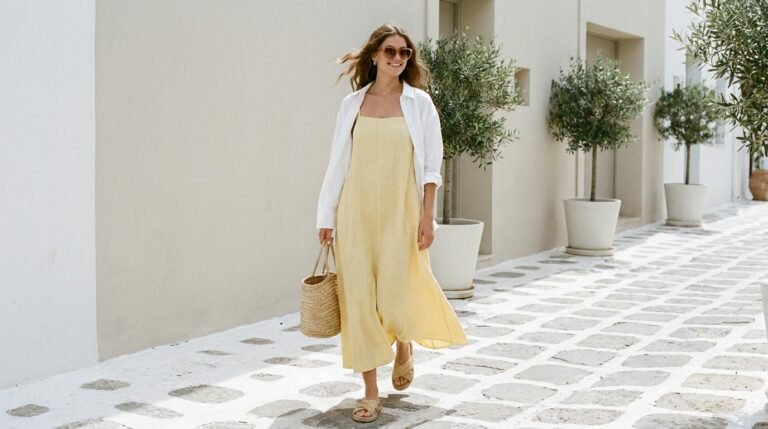
One element among plain pieces solves it. A single flowing maxi with a plain tee works. So does one embroidered jacket over ordinary jeans.
Fibre matters more here than in most styles. Boho depends on natural materials that drape and crease. Polyester versions of the same shapes read as costume whatever else is done with them.
Jewellery follows the same logic. One substantial pendant or a single cuff carries the reference. Stacked rings, layered chains, and armfuls of bangles together push it toward fancy dress.
The Minimalist Style Personality

Minimalism tips into bland, and the cause is arithmetic. Stripping out colour, print, and detail leaves fit and fabric as the only two variables in the outfit.
If neither is doing anything, nothing is. A plain grey tee in an ordinary cut and an ordinary fabric is not minimalist. It is just plain.
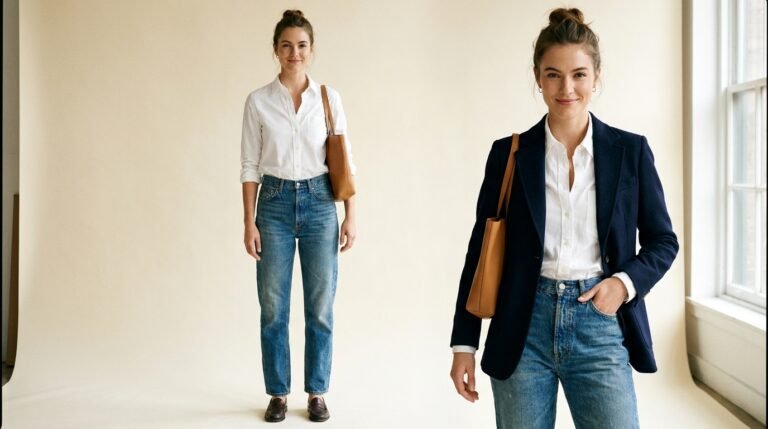
That makes minimalism the most demanding aesthetic on fit. Tailoring a cheap jacket beats buying an untailored expensive one, because the shape is the entire content.
Palette discipline does the rest. A tight range of three or four colours makes a small wardrobe look deliberate. The same number of pieces across eight colours looks merely limited.
The Streetwear Style Personality

Streetwear tips into try-hard, and visible effort is the specific problem. It is the most status-signalling aesthetic here, so logos and box-fresh everything announce themselves loudly.
Head-to-toe new is the giveaway. Streetwear looks right when it looks lived in, and everything arriving at once removes exactly that quality.
One statement piece against worn basics is the working formula. The trainers or the jacket carry the interest, and the rest holds still.
Proportion is the real grammar of the look. Oversized on top wants something narrower below, and two oversized pieces together lose the shape rather than doubling it.
The Romantic Style Personality

Romantic tips into twee, and there is a reason it happens so easily. Florals, ruffles, puff sleeves, and pastels are also the vocabulary of children’s clothing.
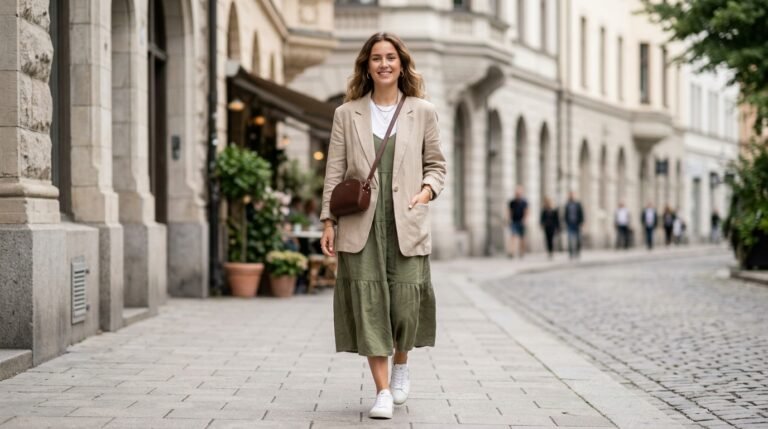
One hard element fixes it immediately. A heavy boot under a floral dress does it. So does a tailored blazer over a ruffled blouse, or a leather belt at the waist.
Fabric weight helps too. Heavier crepe or a substantial cotton carries the same shapes with more authority than a thin, papery version of them.
Colour is the overlooked lever. Romantic does not have to mean pastel. The same floral in burgundy, forest, or ink reads far more grown-up than it does in baby pink.
The Edgy Style Personality

Edgy tips into uniform, which is a particular irony for a look built on nonconformity. Black leather everything becomes its own dress code.
Texture rescues it without changing the palette. Leather beside ribbed knit beside washed denim gives an all-black outfit depth that a single finish never will.
One soft element does the rest. A fine knit or a fluid trouser among the hardware stops the look reading as a costume of rebellion.
Hardware needs the same restraint. Studs, chains, buckles, and zips compete when they all appear at once. One piece carrying the metal beats four sharing it.
The Preppy Style Personality

Preppy tips into fancy dress because it references a specific institution and a specific decade. Assembled completely, it reads as a uniform from somewhere else.
The correction matches boho. Take one piece rather than the set. A cable knit over jeans works. A cable knit with a pleated skirt, loafers, and a headband becomes a school photograph.
Modern proportions carry the rest. The same argyle sweater in a current cut reads contemporary, while the original fit places it firmly in its era.
Palette does as much work as shape. Navy, white, and red together signal the source immediately. The same pieces in oatmeal, grey, and olive read as good separates.
The Sporty Chic Style Personality

Sporty chic tips into gym clothes, and fit is what betrays it. Activewear is cut close for performance, and that performance fit is exactly what reads as workout gear.
Breaking the fit breaks the association. An oversized sweatshirt or a wide-leg track trouser stops looking functional and starts looking chosen.
Shoe condition finishes it. Scuffed trainers read as equipment. Clean ones read as a decision, which is why the same outfit works on one pair and fails on another.
The bag settles the register. A gym holdall pulls everything back toward the changing room. A structured tote or leather crossbody pulls it firmly the other way.
The Glam Style Personality

Glam tips into overdone, and the mechanism is optical. Sequins, satin, metallic leather, and crystal all return light, and several reflective surfaces compete for the same attention.
One reflective element beats three. A satin dress with matte accessories reads more expensive than the same dress carrying metallic shoes and a crystal bag.
Everything else should absorb light. Matte leather, wool, and suede all give the shine somewhere quiet to sit against.
Glam also works in daylight, provided it arrives alone. A satin skirt with a plain knit and flat shoes carries the quality of the fabric into an ordinary afternoon.
The Eclectic Style Personality

Eclectic tips into chaotic, and scale is usually the reason rather than quantity. Five medium-sized statements all shout at the same volume, so none of them lands.
A clear hierarchy fixes it. One large statement, then two or three small ones, gives the eye somewhere to start and somewhere to travel afterwards.
Print scale works the same way. A large-scale print with two small ones reads as layered, while three prints at identical scale simply argue.
A plain base garment carries all of it. Neutral trousers or a plain skirt give the statements somewhere to sit. Without that anchor, even a well-judged hierarchy reads as noise.
Defining Your Own Style Personality

Most people audit what they own. The more revealing question is what they actually wear, since the two lists rarely match.
Photographing every outfit for two weeks settles it. The repeated shapes, colours, and levels of coverage are the honest signal, and they usually contradict whatever label felt right.
The unworn pieces are worth examining too. Most fail on one specific thing rather than on taste. It itches, it needs ironing, it only works with shoes that hurt.
How clothes feel matters alongside how they look. Adam and Galinsky coined the term enclothed cognition. Their framework proposed that clothes influence the wearer through two things at once: symbolic meaning, and the physical experience of wearing them. Researchers still debate the size of such effects. The practical point holds regardless, since the clothes that get reached for are the ones that feel right to wear.
Building a Wardrobe That Matches Your Style

Building against the failure mode beats building to a generic list. Someone whose outfits read bland needs one loud piece more than another neutral jumper.
The reverse applies equally. Someone whose outfits read chaotic gains more from plain trousers than from another print. The missing thing is somewhere for the eye to rest.
Diagnosing first prevents the usual outcome. Buying more of what a wardrobe already contains is what produces a full cupboard and nothing to wear.
A gap list keeps the buying honest. Note the outfits that nearly worked and the one piece each was missing. That list beats any seasonal roundup. This guide to fashion staples every closet needs covers the foundation underneath.
Final Thoughts
Two corrections cover most of the twelve. Wear one element of a strong aesthetic rather than the full set. Then add a contrasting element to anchor it.
That pattern repeats across boho, preppy, romantic, edgy, glam, and streetwear. Each one goes wrong through completeness, and each one recovers through restraint plus one deliberate opposite.
Context deserves a mention as well. Most people run two or three of these depending on the day. That is normal rather than a sign of indecision.
The remaining fashion inspiration here is diagnostic rather than aspirational. Knowing which way an aesthetic tips is more useful than knowing what it looks like when it works.
Frequently Asked Questions
How do I find my personal style?
Photograph every outfit for two weeks and look at what repeats. What gets worn is a more honest signal than what gets owned, and the two lists rarely agree. The unworn pieces are informative too, since most fail on one practical detail rather than on taste.
Can I have more than one style personality?
Most people do, and it usually splits by context. Work, weekends, and evenings often follow different aesthetics. That is normal rather than a problem to resolve. Forcing one label across all three tends to make the wardrobe less useful.
What if I like several aesthetics that seem to clash?
Take one element from each rather than the full set. A romantic blouse with an edgy boot works precisely because neither aesthetic arrived complete. Completeness is what turns a style into a costume, so partial versions combine far more easily.
Why does my classic wardrobe feel dated?
Because the categories are timeless and the cuts are not. Shoulder width, trouser rise, and lapel width carry nearly all the dating. Updating those three usually solves it without replacing anything else.
How do I stop minimalist outfits looking boring?
Improve fit or fabric, since those are the only two variables left once colour and detail come out. Tailoring an inexpensive jacket does more than buying a costlier untailored one. A tight colour palette helps as well, because it makes a small wardrobe look deliberate.