Gorgeous Outfit Ideas for Work, Weekends, and Beyond
Most outfit advice describes how clothes look and skips what the day actually demands of them. An office runs cold and involves eight hours seated. A weekend involves crouching, carrying, and no bag to put anything in. Gorgeous outfit ideas for work, weekends, and everything after them start with those constraints rather than with a mood board.
1. Start With a Strong Foundation: The Power of Basics
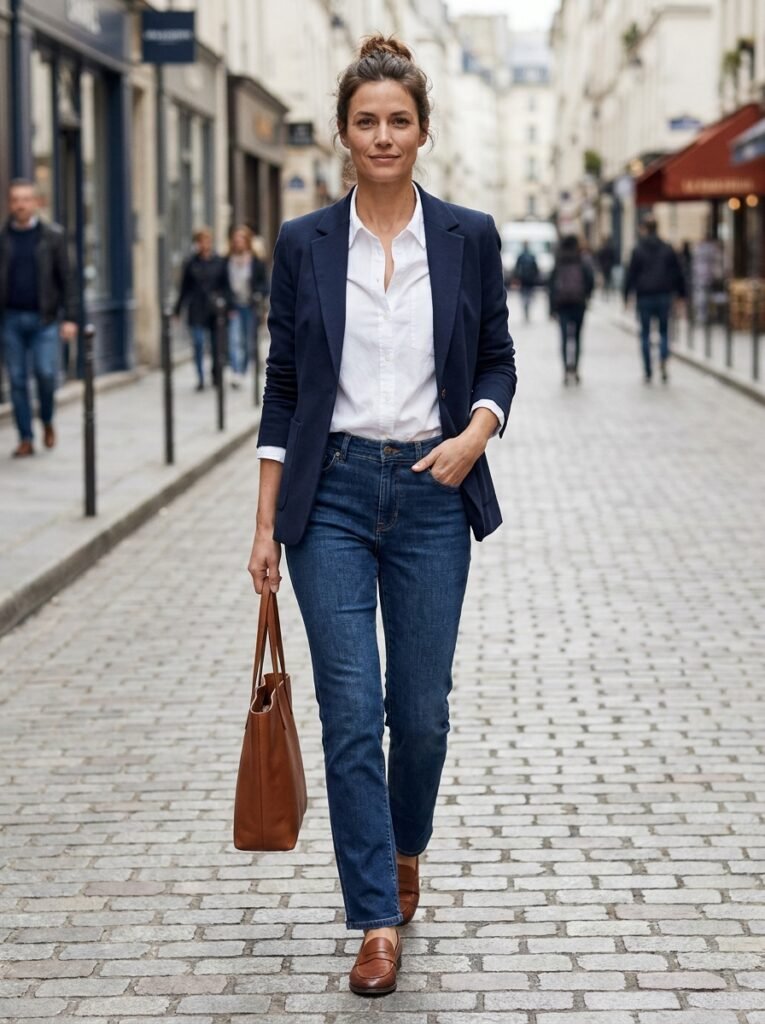
A basic earns its title through combination count, not through quality alone. A well-made piece that pairs with one thing is a specialist. A modest piece that pairs with six is the actual foundation.
That gives a useful test at the till. Naming three items already owned that the new piece works with takes a few seconds. Anyone who cannot name three is buying an outfit, not a basic.
Neutral means something narrower than beige. A neutral is whatever colour already repeats across a wardrobe. For one person that is navy. For another it is olive. Buying beige because guides recommend beige adds a colour that matches nothing already owned.
2. Workwear That Actually Feels Good to Wear
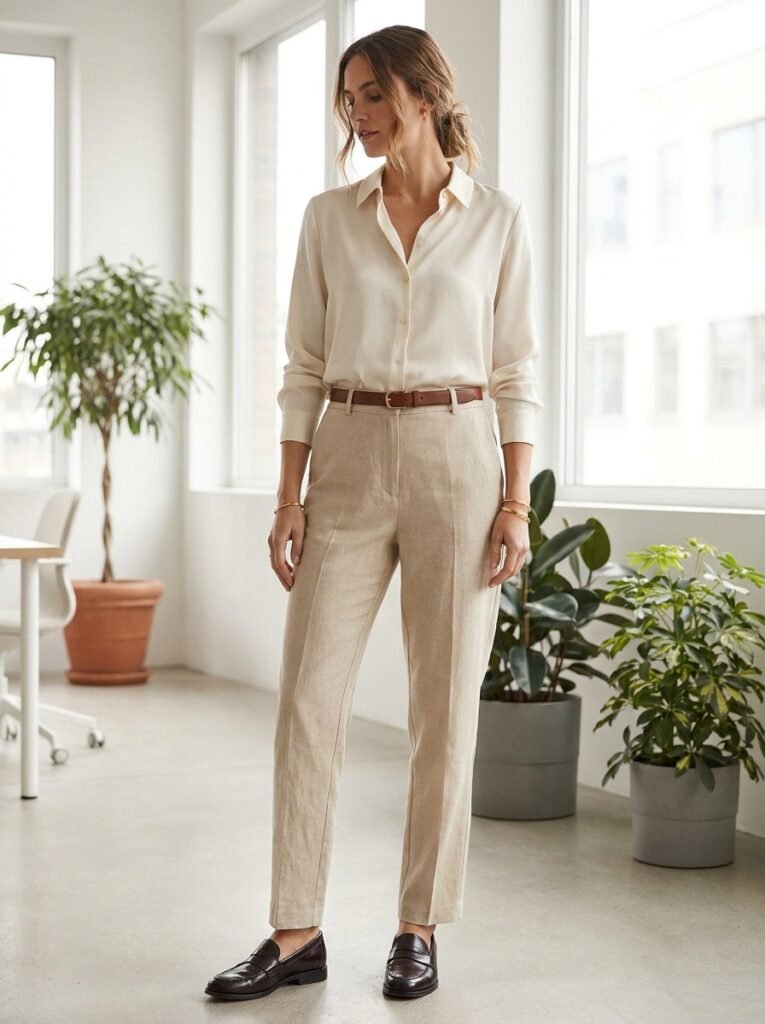
Office clothes face one dominant condition: hours of sitting. Linen and cotton poplin crease permanently under that pressure, and by the afternoon the creases read as scruffy. Crepe, ponte, wool blends, and viscose twill all recover on standing.
The fitting room deserves a matching test. Sitting down for a full minute is the useful test. Standing afterwards to check the lap and the back predicts the workday far better than a mirror pose.
A layer is not optional in most offices, and there is a documented reason. Kingma and van Marken Lichtenbelt reported in Nature Climate Change that indoor climate standards rest on a 1960s comfort model. Its metabolic rate values assume an average male and may overestimate female metabolic rate by up to 35 percent. Air conditioning calibrated that way runs cold for a large share of the people sitting in it. A cardigan that lives on the chair back solves it permanently.
3. Weekend Outfits That Are Relaxed but Still Cute
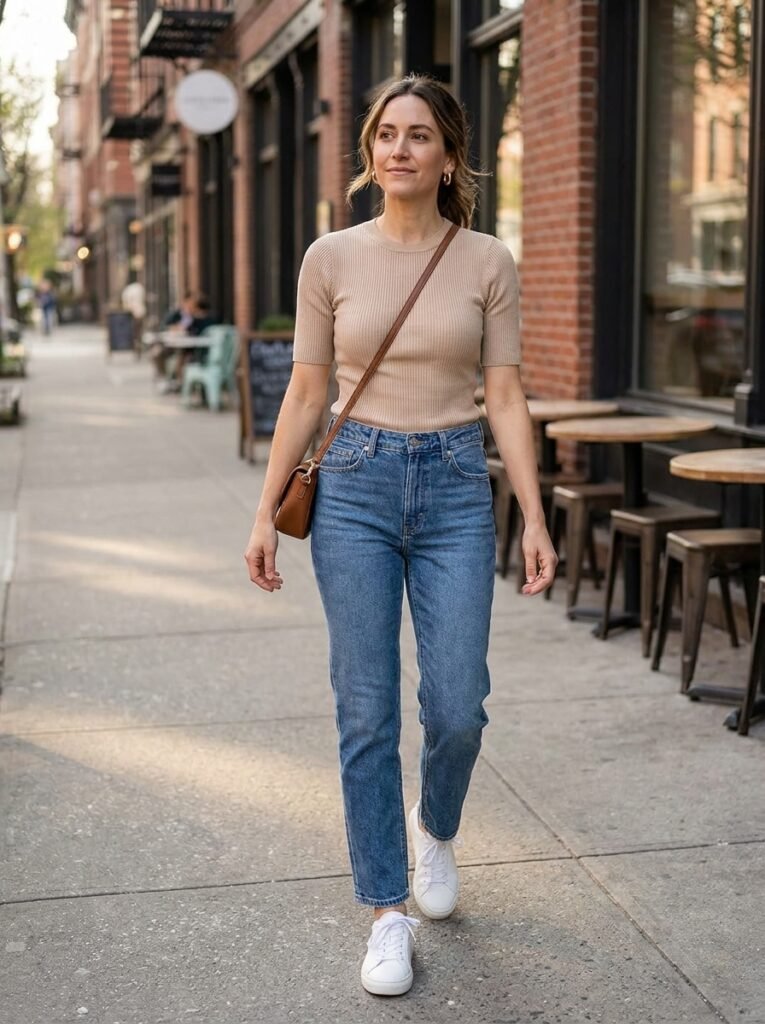
Weekend clothes get tested on movement rather than on sitting. Reaching up, crouching down, and carrying things all happen, and the outfit either allows them or does not.
Rise height decides most of it. A low or mid rise gaps at the back the moment someone crouches. High-waisted styles dominate weekend dressing for that reason. Sleeve fit matters for the same reason, since a tight upper arm makes carrying anything uncomfortable within minutes.
Pockets deserve checking rather than assuming. Many are decorative and stitched shut. A genuine pocket removes the need for a bag entirely on a short outing. Anyone building flexible weekend looks may find this guide to casual to chic versatile outfit combinations useful alongside it.
4. How to Dress for Brunch Without Overthinking It
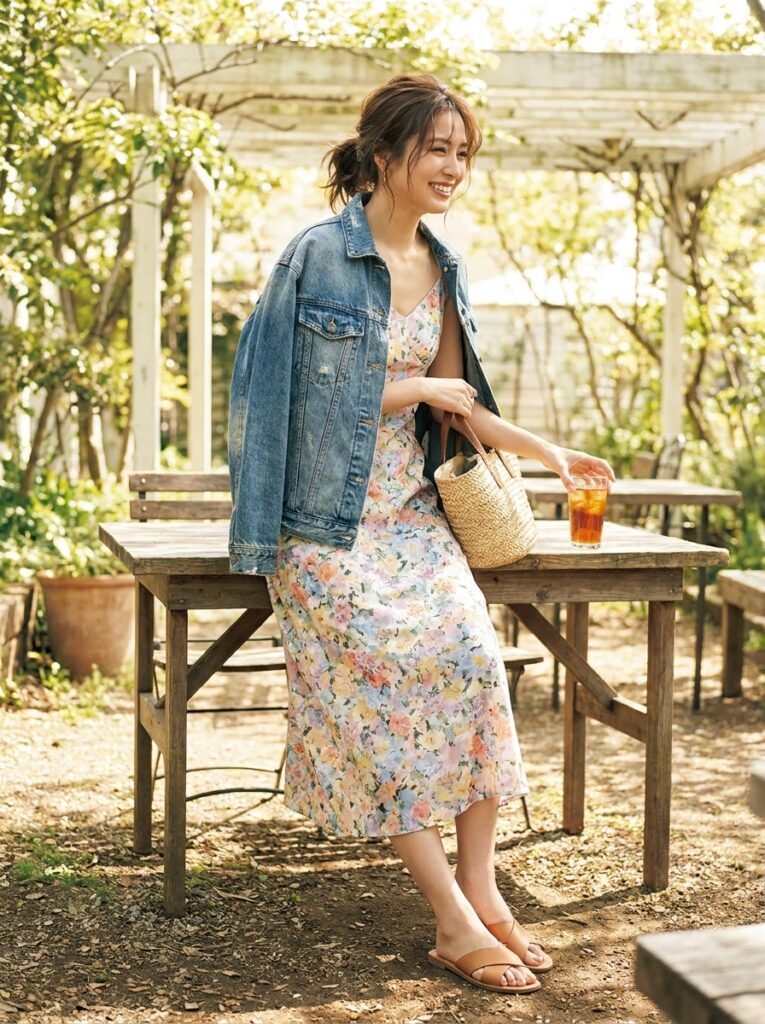
Brunch spans a temperature swing. It starts cool, often outdoors, and finishes several degrees warmer indoors or in full sun. One removable layer answers the entire brief.
The occasion is also seated and viewed from the waist up. Whatever happens above the table carries the outfit. The top, the jacket, and the earrings do that work.
Shoes still need to survive the walk there. Choosing footwear for the journey rather than the table avoids the familiar situation of arriving already uncomfortable.
5. Building a Capsule Wardrobe Around Versatile Pieces
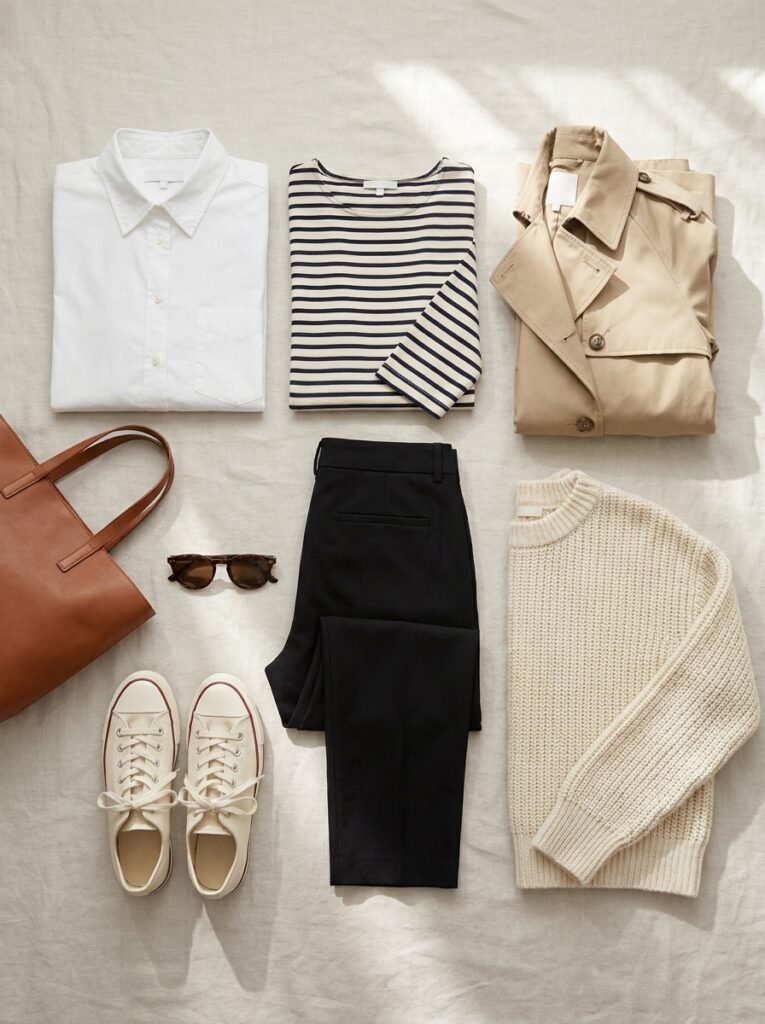
Capsules work through arithmetic. Five tops and four bottoms that all coordinate produce twenty combinations. Nine pieces that only work in fixed pairs produce four.
A shared colour spine is what makes the first version possible. Two neutrals plus two accent colours across every item guarantees that anything pulled out will work with anything else.
Most capsules fail at the edges rather than the centre. They cover the ordinary week thoroughly. Nothing remains for a funeral, a black tie invitation, or a cold snap. Two or three pieces held back for those occasions prevent a panicked purchase later.
6. Transitional Dressing: Looking Great Between Seasons
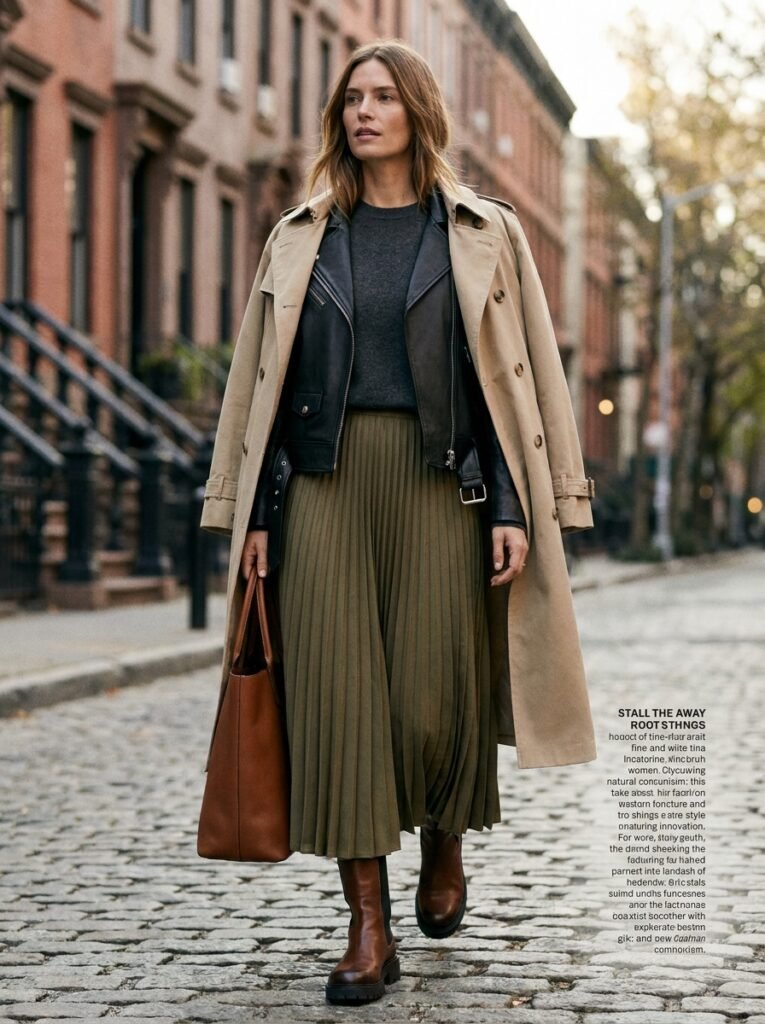
Three thin layers beat one thick coat across a variable day. Each can come off separately, so the outfit adjusts in stages rather than swinging between too hot and too cold.
The removed layer needs somewhere to go, and this is where the plan usually collapses. A bag large enough to swallow a cardigan turns layering from theory into something that survives an actual afternoon.
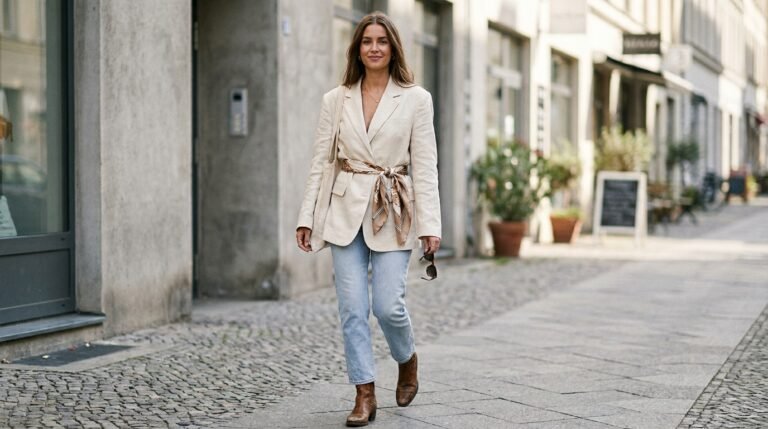
Trench coats earn their reputation here for a structural reason. An unlined or lightly lined shell blocks wind without adding warmth. That is precisely the requirement in ten to fifteen degrees.
7. Colour Combinations That Always Work
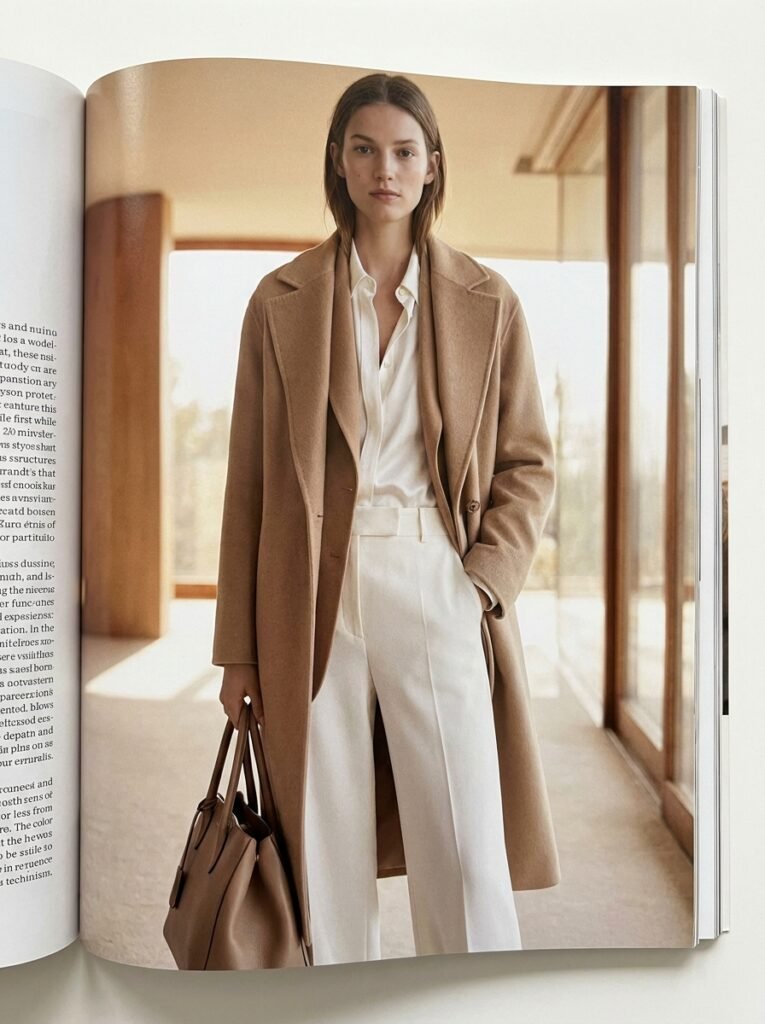
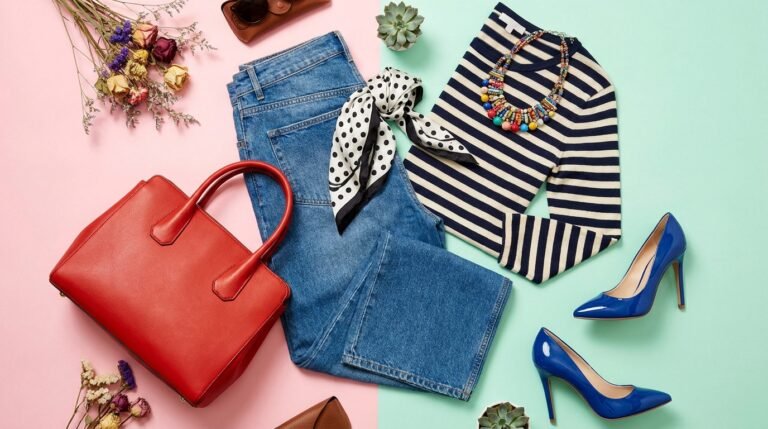
Repetition converts a colour into a scheme. A shade appearing once reads as a stray item. The same shade appearing twice reads as a decision. A shoe and a scarf will do it, or a coat and a bag.
Neutrals are not actually neutral, which explains a lot of failed safe outfits. Camel, cream, and warm greige lean warm. True grey, stone, and cool white lean cool. Mixing across that line produces an outfit that looks slightly off without any obvious culprit.
Camel with white works because both sit warm. Navy with rust works for the same reason. Dusty lilac with olive succeeds through a different mechanism. Both sit muted, and muted shades tolerate pairings that saturated ones cannot.
8. Dressing for Your Body Shape and Feeling Confident Doing It

Body shape categories are less useful than one simple observation. Every outfit contains a horizontal break, usually a waistband, a hem, or the bottom of a jacket. That line divides the silhouette into two parts.
Moving that single line changes everything else. A tucked top raises it and lengthens the leg. An untucked top drops it and lengthens the torso. Neither is correct, and both are available from clothes already owned.
Multiple competing breaks are what confuse an outfit. A cropped jacket over an untucked shirt over a belt creates three lines at once. The eye then finds no clear division. One clear break usually beats three vague ones. This guide to outfit ideas for every body type covers proportion in more detail.
9. Accessorising Your Outfits Without Going Overboard
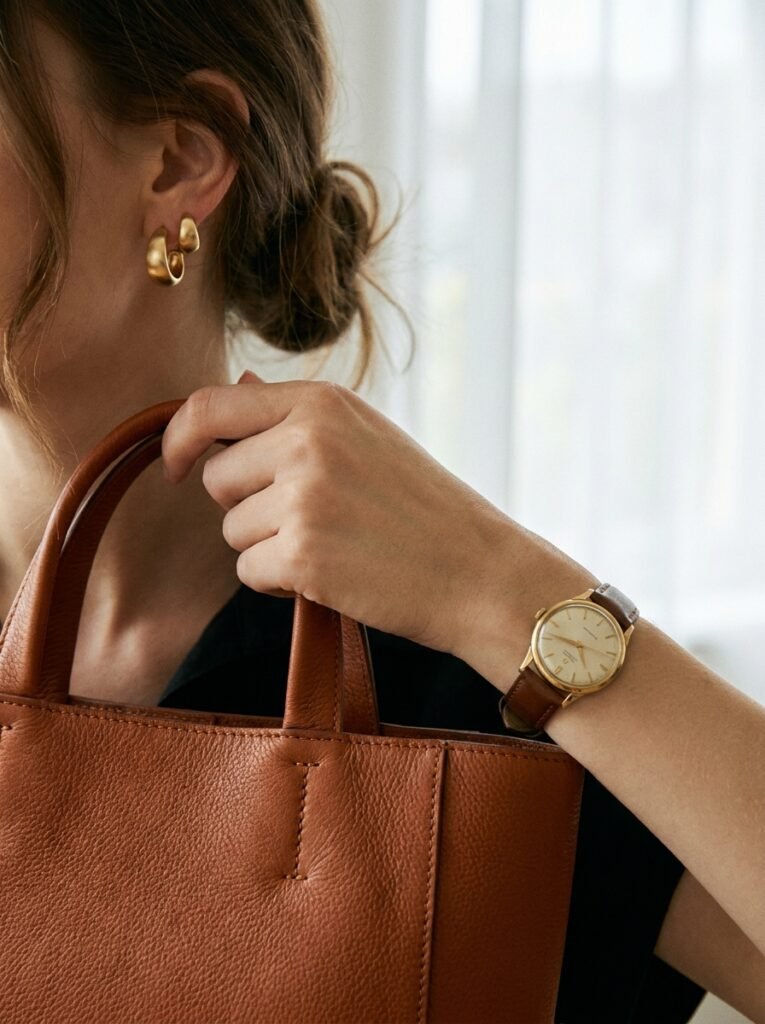
Bags fail on capacity before they fail on style. A bag that cannot hold a water bottle, a laptop, or a shed cardigan sits unused within a fortnight. Looks make no difference.
The old rule about removing one item before leaving is roughly right but measures the wrong thing. Counting points of interest works better than counting objects. Three plain rings register as one point. One enormous statement necklace also registers as one.
Two points of interest suits most outfits, and three is usually the ceiling. Beyond that the eye stops resolving a look and starts scanning a list.
10. How to Dress Stylishly on a Budget
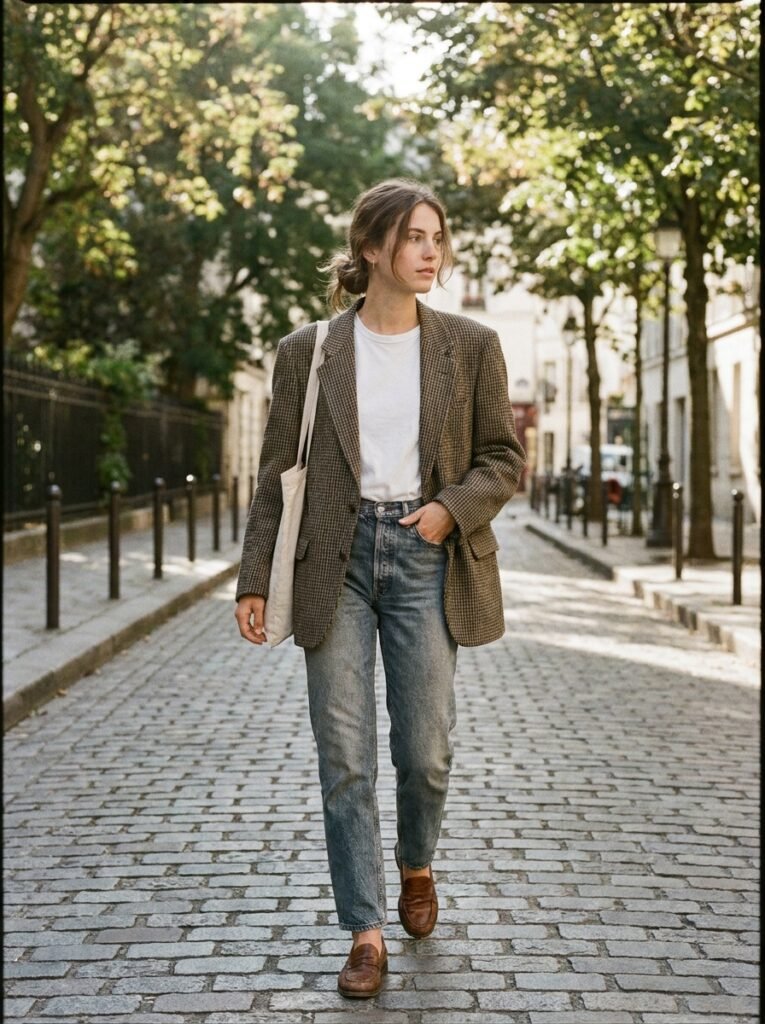
Repairability deserves as much weight as wear frequency when deciding where money goes. A cobbler or a tailor can mend a coat, a leather bag, and shoes for years. Knitwear and jersey largely cannot, so paying premium prices for them returns less.
Secondhand shopping runs on measurements rather than sizes. Vintage sizing bears no relation to current labels. A noted chest, waist, hip, and inside leg turns a frustrating rail into a quick scan.
Timing does the rest. End-of-season sales price coats and knitwear lowest exactly when nobody wants them. That falls six months before the next cold snap.
11. Occasion Dressing Made Easy
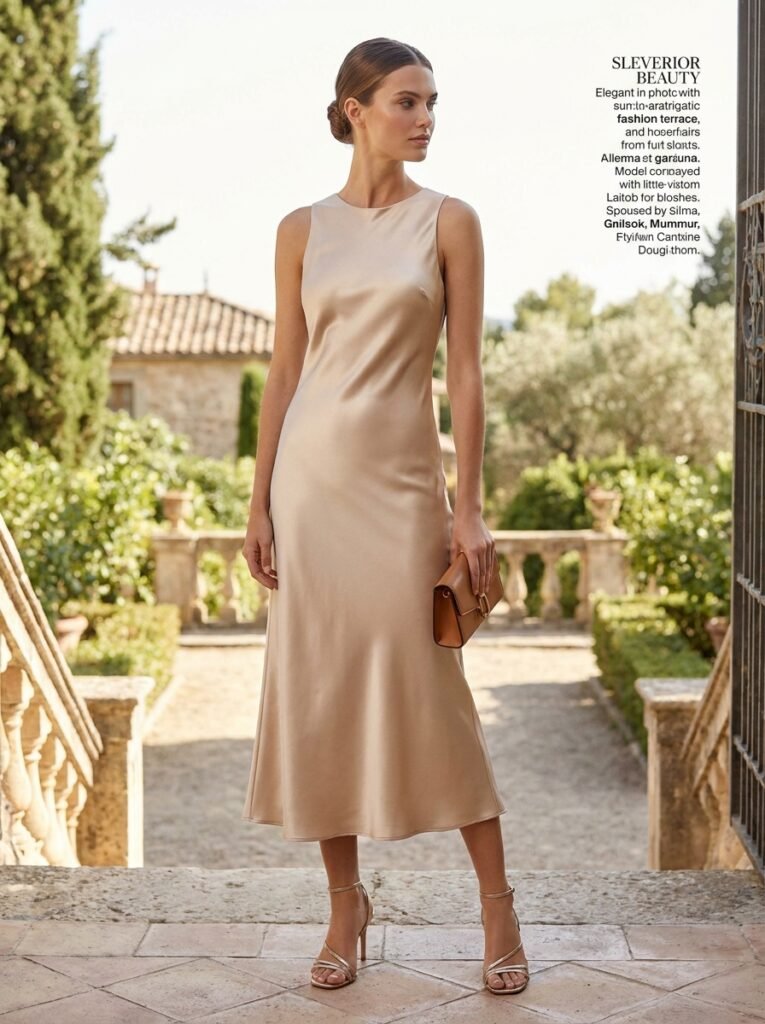
Dress codes are vague by design, and the adjectives rarely help. Smart casual, cocktail, and festive all mean different things to different hosts.
The venue answers more reliably than the invitation. A hotel ballroom sets a different bar from a pub function room, whatever word appears on the card. Looking up the location settles the question in a minute.
Having one tested formula removes the panic entirely. A midi dress in satin, velvet, or crepe with a heel and a clutch covers most formal events. Elevated separates cover most smart casual ones. Two reliable answers beat a wardrobe of maybes.
12. Evening Outfits That Go Beyond the Little Black Dress
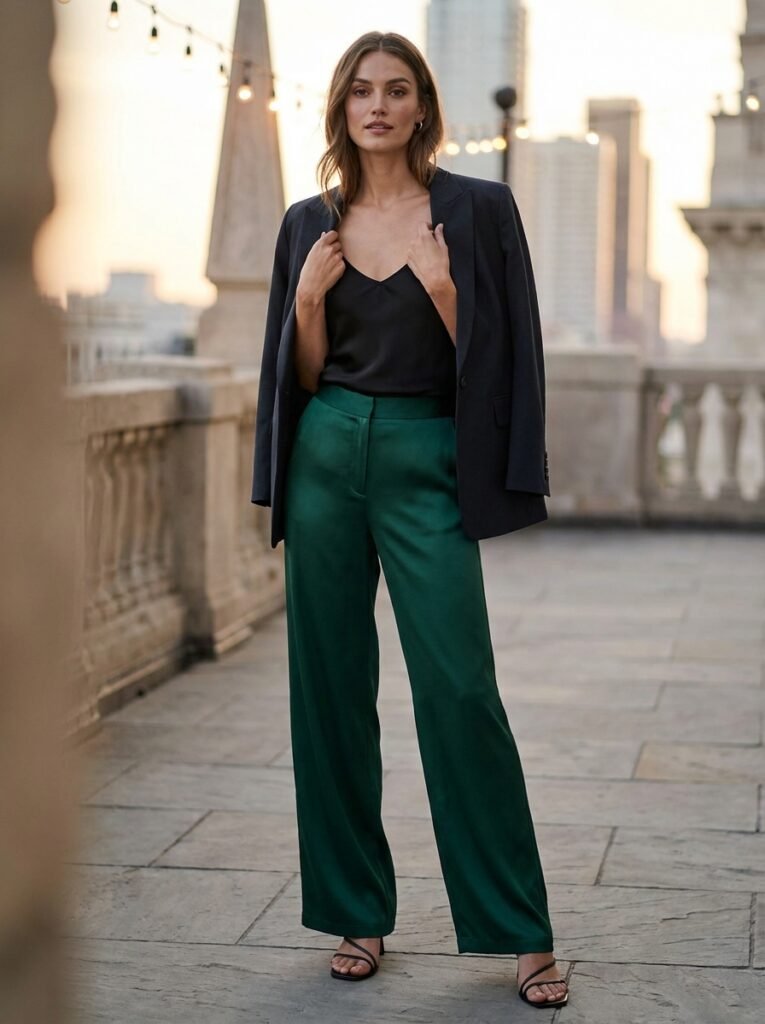
Evening lighting changes what fabrics do. Restaurants and bars run warm and dim, which flattens matte black into a shapeless block and mutes cool tones considerably.
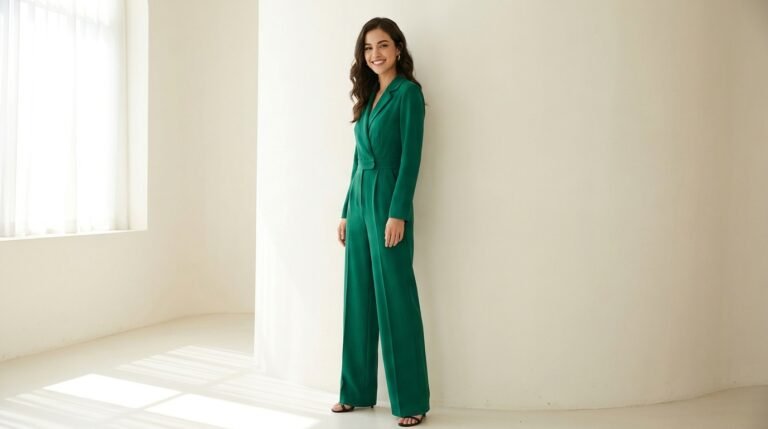
Anything with surface interest survives that lighting better. Satin, velvet, sequins, and jewel tones all catch low warm light. Emerald, cobalt, and burgundy therefore read well after dark and loudly at noon.
Evenings are also largely seated. The top half and the shoe do nearly all the visible work. A camisole with wide-leg trousers delivers as much as a full dress, and stays more comfortable.
Final Thoughts
Every section above starts from a constraint rather than an aesthetic. Hours seated, a temperature swing, a walk to the venue, a room lit warm and low. Gorgeous outfit ideas for work and for everything after it follow from those conditions. One wardrobe answers most of them. A crease-resistant trouser handles the office. A layer that packs into a bag handles the season. One clear horizontal break handles proportion. Starting with what the day demands turns getting dressed into a short decision rather than a daily negotiation.
Frequently Asked Questions
1. What are some gorgeous outfit ideas for everyday wear?
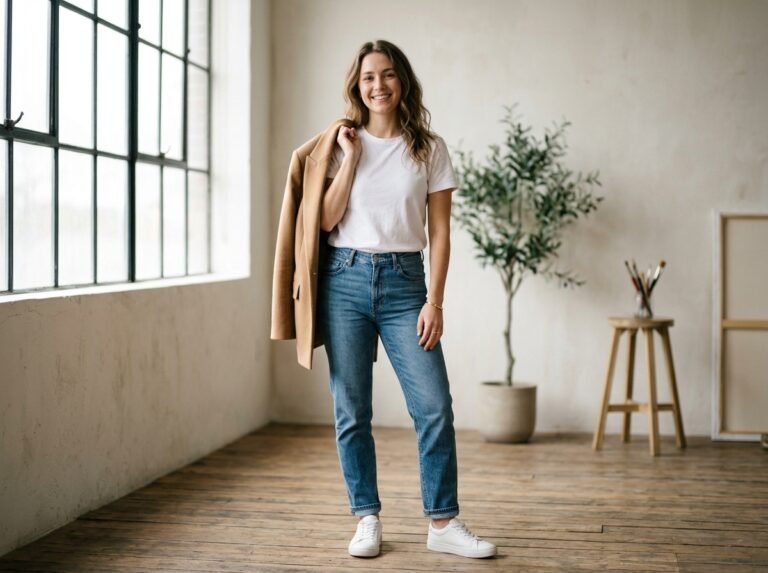
High-waisted straight-leg jeans with a fitted top and clean trainers, or a midi dress with flat sandals. Both allow full movement, which is the real everyday requirement. Checking that the pockets open is worth thirty seconds.
2. How do I build a stylish wardrobe without spending a lot of money?
Direct the budget toward items a cobbler or tailor can mend. Coats, bags, and shoes all last for years that way. Knitwear and jersey rarely justify premium prices. Secondhand shopping works far better with a note of actual measurements than with a dress size.
3. What should I wear to work that is both professional and comfortable?
Fabrics that recover from sitting: crepe, ponte, wool blends, and viscose twill. Linen and cotton poplin crease permanently over a day at a desk. A cardigan kept on the chair back handles air conditioning calibrated colder than most people find comfortable.
4. How do I dress well for different occasions without buying a completely new outfit each time?
Shoes and one layer shift the formality of the same base further than a new garment would. A midi dress reads casual with flats and formal with a heel and a clutch. Checking the venue rather than the invitation wording settles how far to go.
5. What are the most timeless outfit combinations that never go out of style?
A white shirt with blue jeans. A trench over a simple dress. Camel over all black, and a striped top with tailored trousers. Each keeps its neutrals on one side of the warm-cool line. None of them ever looks accidental.