
Seasonal Fashion Trends You’ll Want to Wear Now
Every trend arrives in two versions: one made properly and one made cheaply to catch the same search traffic. The silhouette looks identical on a rail. The difference shows up after three washes. This guide covers the seasonal fashion trends worth knowing and, for each, the specific thing to check before buying.
1. The Return of Earthy Tones
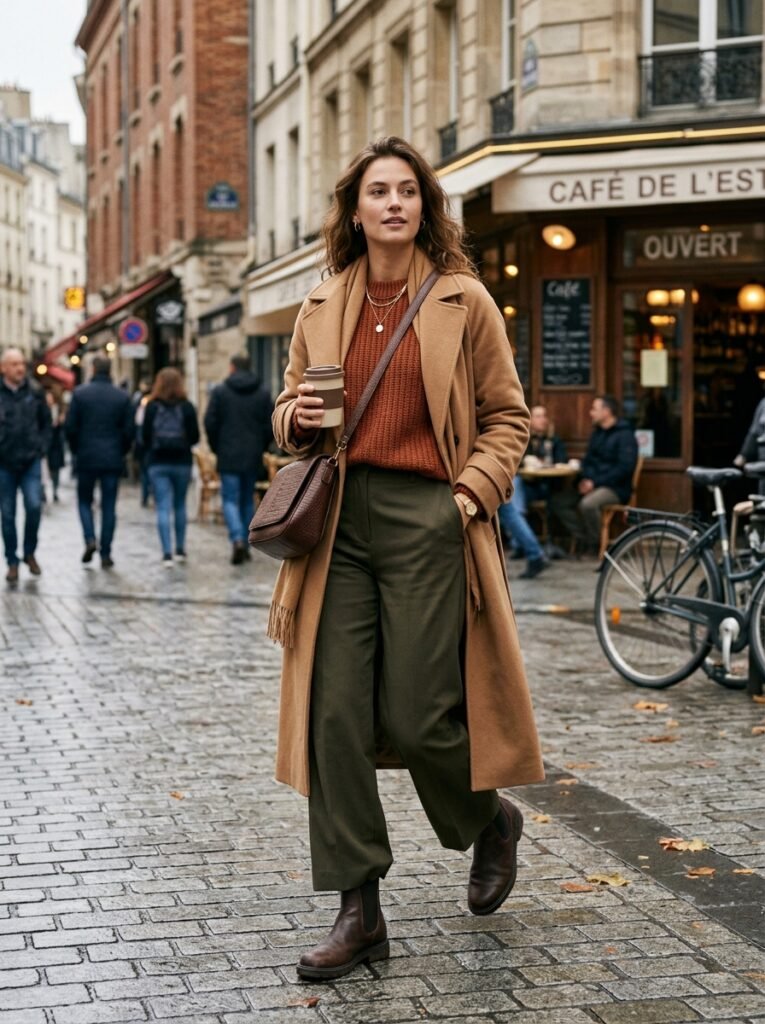
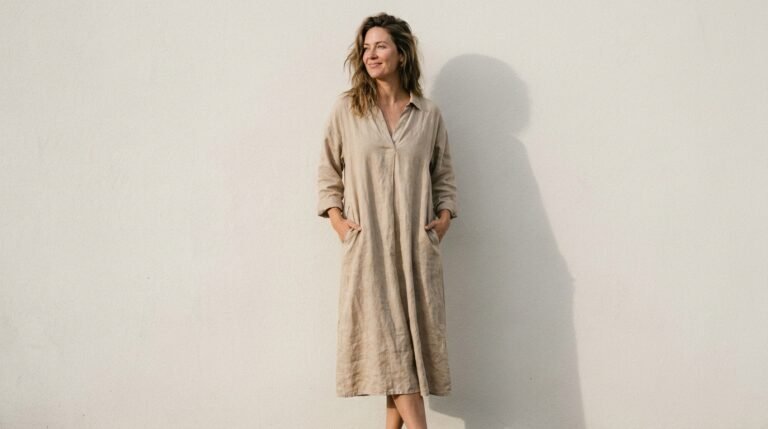
Terracotta, olive, clay, and camel share a useful property. Complex midtones hide wear and marks far better than black or pale neutrals. Workwear has relied on them for a century.
They behave unpredictably under artificial light. A camel that looks rich in daylight can turn yellow-grey under warm bulbs, and olive can read almost brown. Checking a garment near a window before buying avoids an unpleasant surprise at home.
Garment-dyed pieces need a closer look. Dyeing after construction gives a lived-in depth. The colour sits shallower, though, and fades faster at seams and cuffs.
2. Oversized Blazers Are Still Going Strong
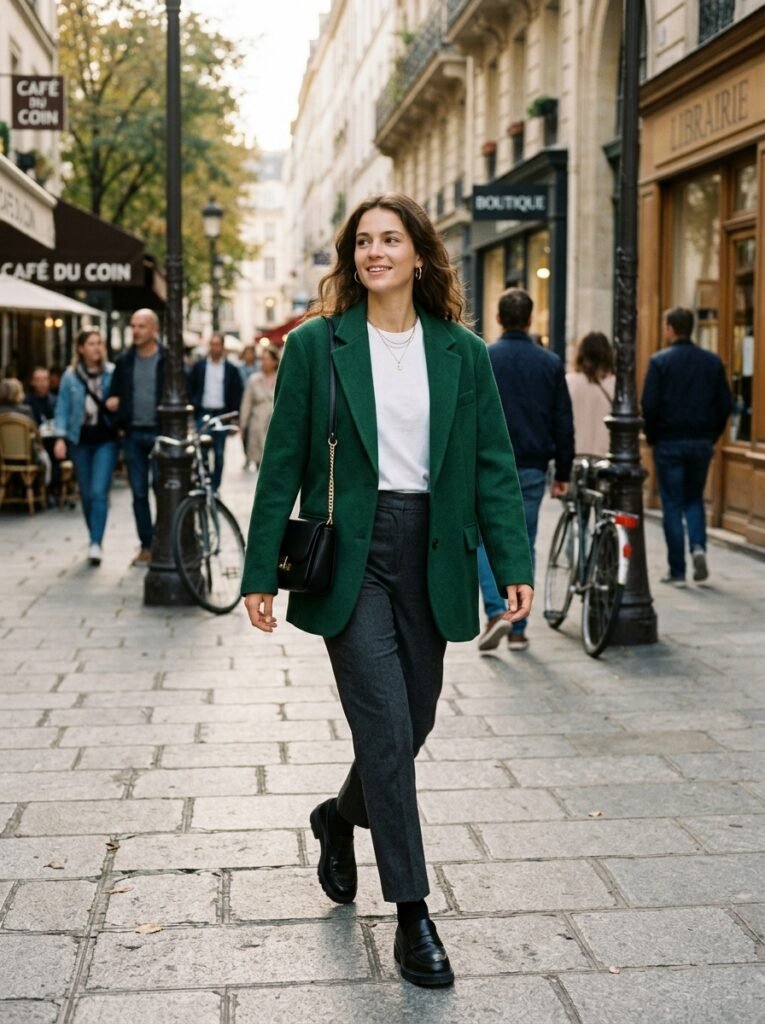
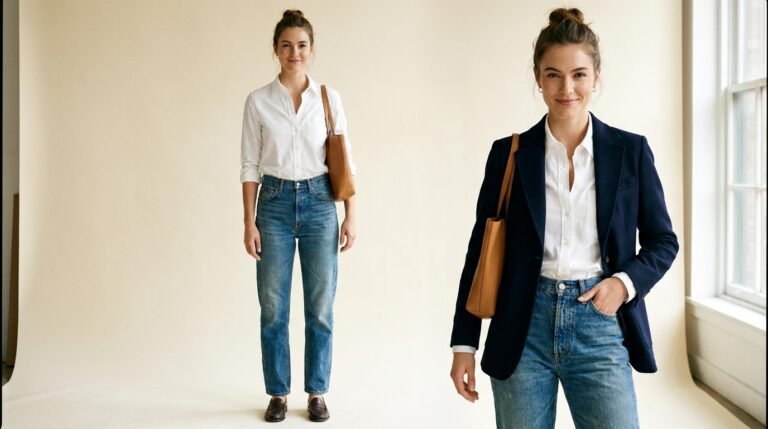
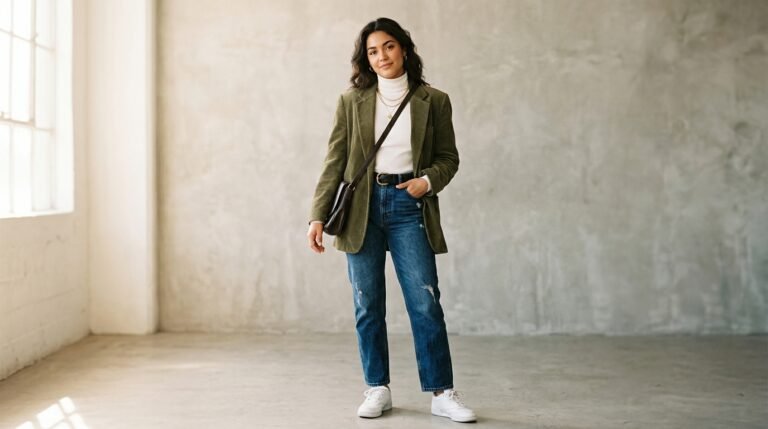
A designed oversized blazer differs from a blazer bought two sizes up. The first is drafted with a dropped shoulder and a deliberately lowered armhole. The second simply puts every seam in the wrong place.
The arm test settles it in seconds. Reaching forward in a properly cut oversized blazer moves the sleeve. In a too-big one it drags the whole body of the jacket across the back.
Chest construction separates price brackets. Cheaper blazers use fused interlining, glued to the outer fabric, which can bubble after dry cleaning. Canvassed or half-canvassed versions cost more and keep their shape for years.
3. Elevated Knitwear Takes Center Stage

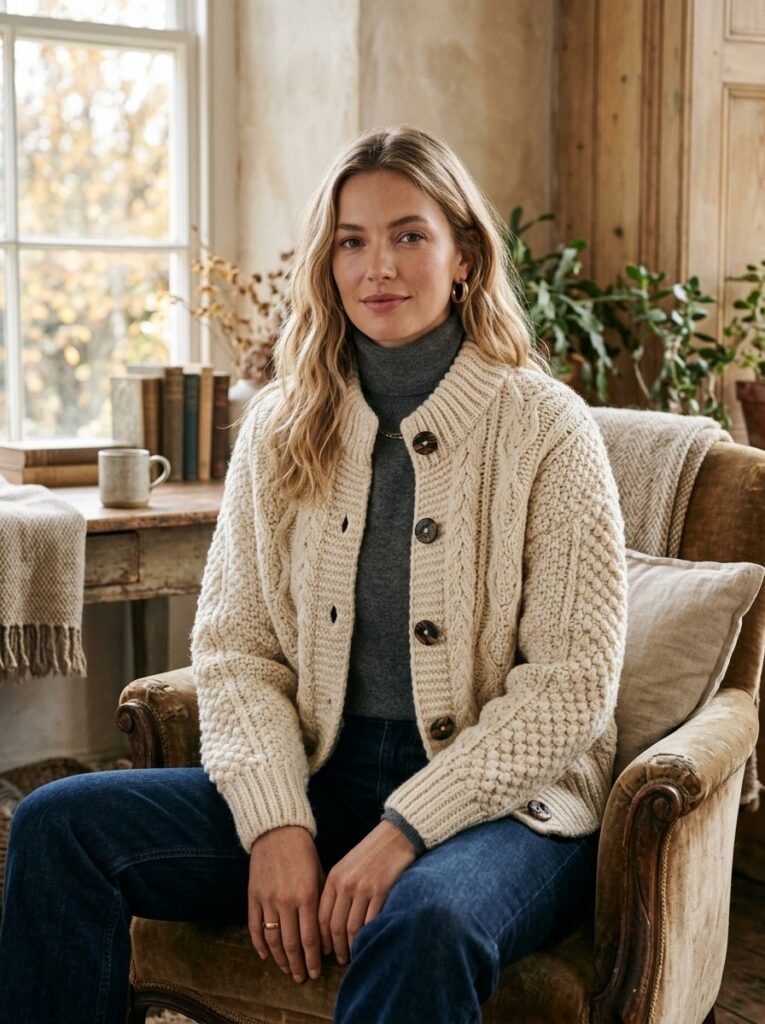
Composition predicts how a knit ages more reliably than price does. Merino and lambswool resist pilling. Acrylic pills within weeks. A small percentage of nylon in a wool blend actually improves durability rather than cheapening it.
Labels carry this information by law. Federal rules enforced by the Federal Trade Commission require most textile products to show fiber content, country of origin, and the manufacturer’s identity. That composition label answers the durability question before the fitting room does.
Construction gives the second signal. Fully fashioned knits take shape on the machine, so each panel comes off knitted to size and joins at the edge. Cut-and-sew knitwear is cut from a knitted sheet like woven fabric, which leaves a bulkier seam and unravels more readily.
4. Wide-Leg Trousers for Every Occasion
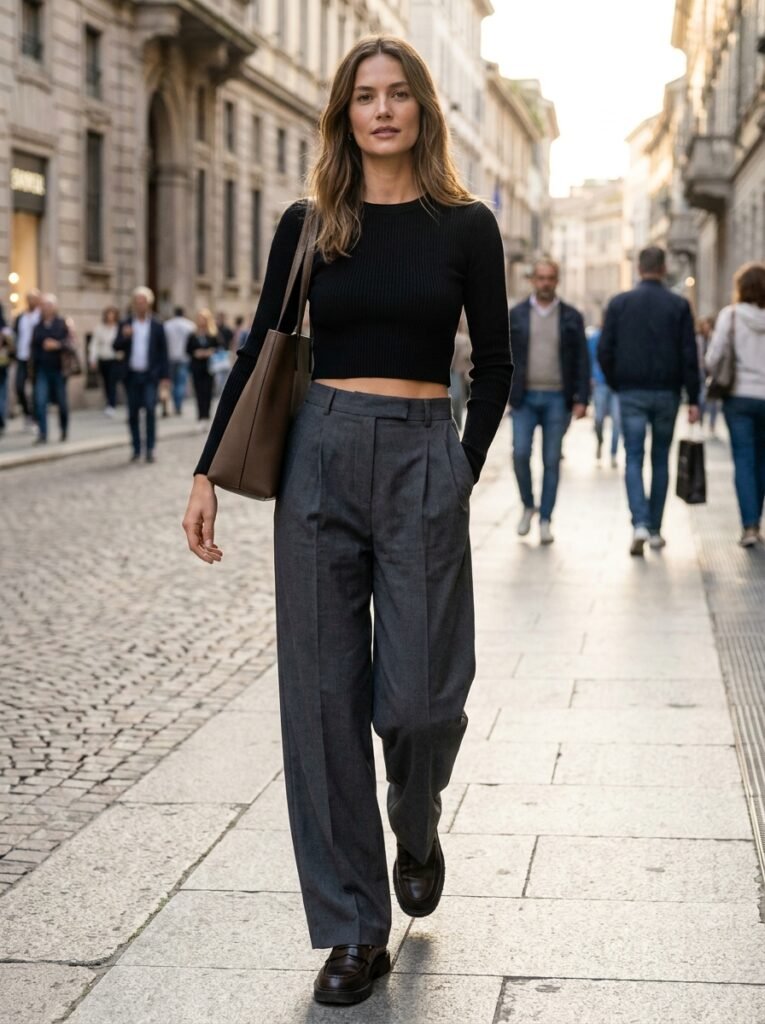
Fabric weight carries this silhouette. A wide leg needs enough mass to hang in a column. Thin fabric flaps at the ankle and holds a crease behind the knee all day.
One defect is worth checking for and easy to spot. If the leg seams spiral around the calf rather than running straight down, the fabric was cut off-grain. That twist worsens with every wash and no alteration corrects it.
Lining changes the drape entirely. A lined wide-leg trouser in wool or crepe glides over the leg. Unlined versions in the same fabric cling and static up, particularly over tights.
5. Sheer Fabrics Done Right
Colour changes opacity more than weave does. Black sheer fabric reads far more covered than white or cream at the same weight. Dark sheers are the easier entry point.
Seam finish becomes visible in a way it never is elsewhere. French seams enclose the raw edge and read as a clean line. Overlocked seams show as a thick dark band through the fabric, and no styling hides it.
The base layer is the real decision. A fitted slip or bodysuit in a tone close to the skin lets the sheer layer read as texture. A contrasting base turns the same garment into something much bolder.
6. Unexpected Textures and Mixed Fabrics
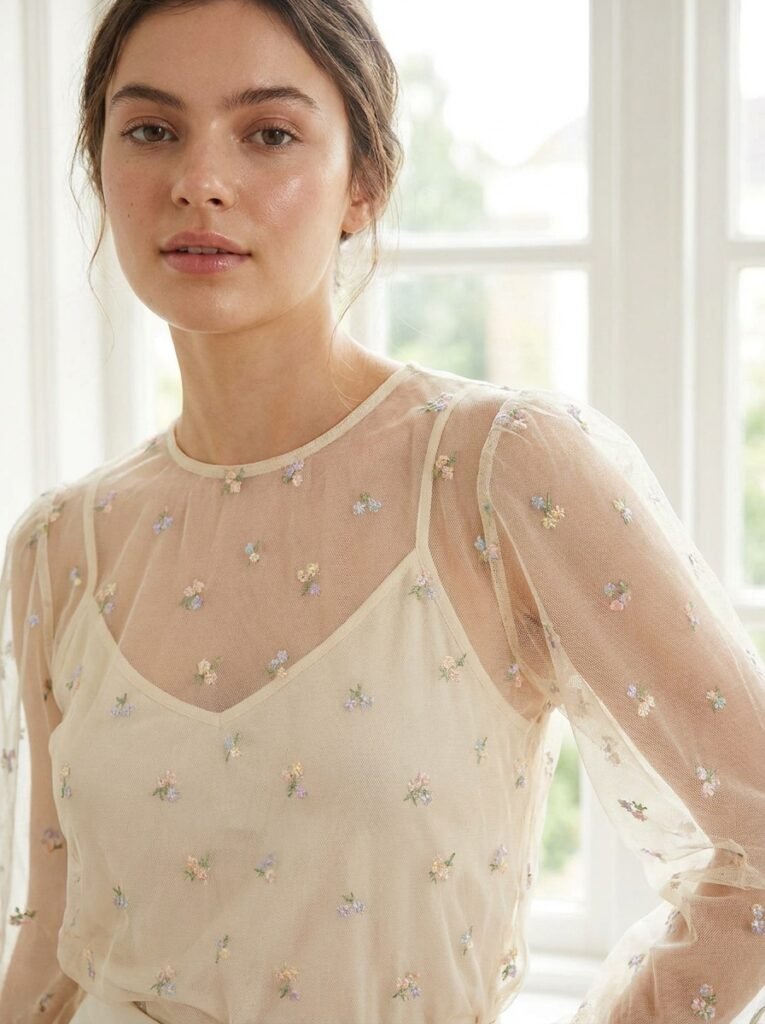
Pile fabrics have a direction. Velvet and corduroy look lighter brushed one way and darker the other. Panels cut in opposing directions then read as two colours in daylight. Running a hand down the garment reveals it immediately.
Care labels deserve a glance before the mirror does. A garment combining leather with cotton, or satin with denim, frequently cannot be washed at all. Dry cleaning costs add up quickly on a piece bought as a casual layer.
Quilting quality varies enormously. Closely spaced stitching holds the filling in place. Widely spaced quilting lets it migrate, and the piece develops thin patches and lumps within a season.
7. The Ballet Aesthetic Is Everywhere
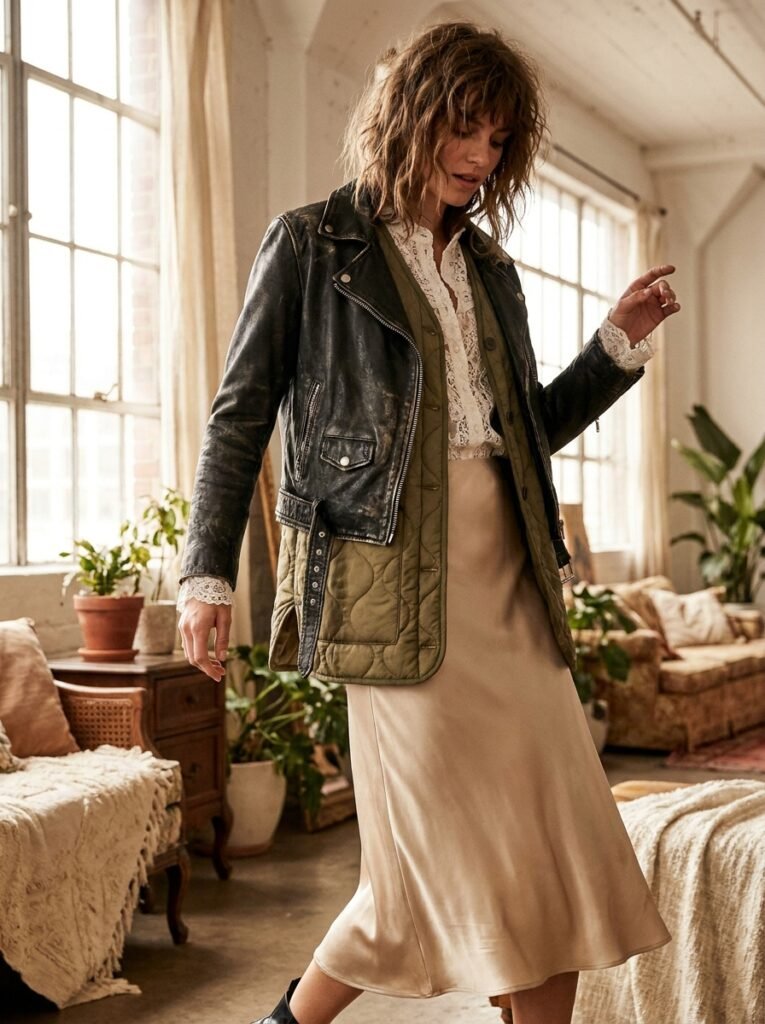
Ballet flats reward a close look at the heel. A stiffened counter, the reinforced piece at the back, keeps the shoe on the foot. Without it the flat slips at every step and the wearer grips with their toes to compensate.
Sole thickness decides how far the shoe can travel. Paper-thin soles transmit every paving stone. Anyone walking real distances wants a cushioned insole beneath the ballet shape.
The rest of the aesthetic costs nothing to try. Wrap skirts, soft pinks, and ribbon at a ponytail all reference the look. So does chiffon chosen over structured cotton. More ideas along these lines appear in this guide to fashion staples every closet needs.
8. Bold Prints Make a Big Statement
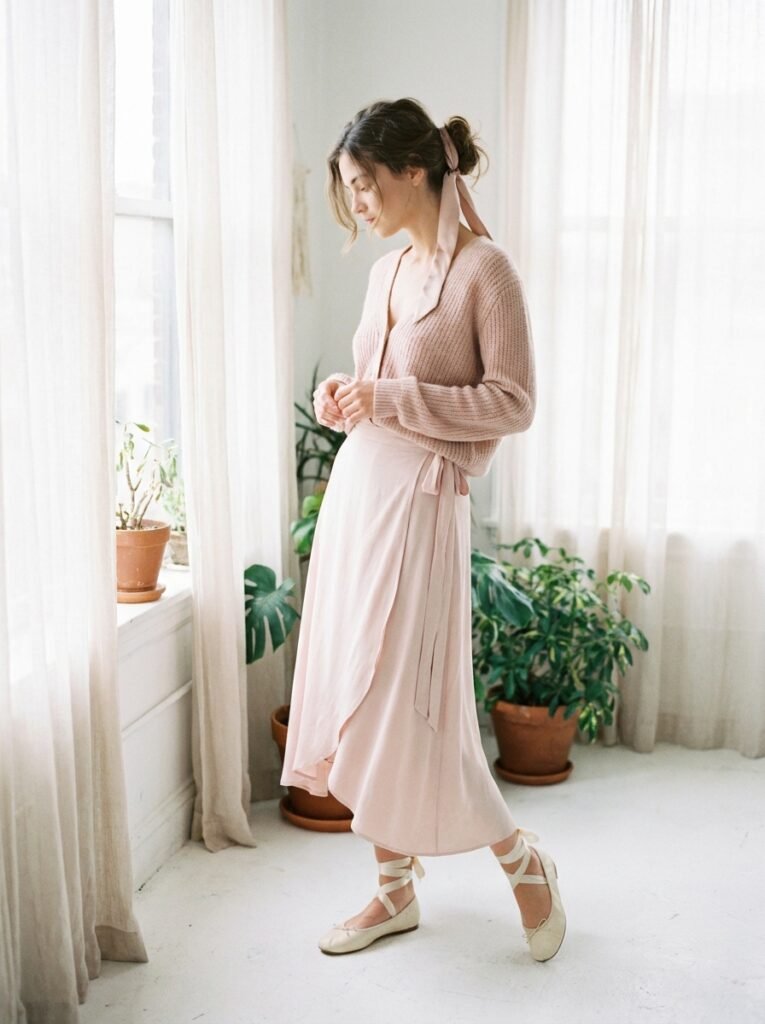
Turning a printed garment inside out settles its quality quickly. A pattern visible on the reverse went into the cloth at the weaving or dyeing stage. A blank white underside means the design sits on the surface only.
Surface prints are not automatically bad, but they age differently. Screen and digital prints fade with washing. They also crack where the fabric flexes, especially at elbows and the seat.
Scale interacts with the wearer, not just the outfit. A print repeat of a few centimetres reads almost as texture from across a room. A repeat of thirty centimetres or more stays graphic. It also lands the pattern wherever it happens to fall.
9. Denim Reinvented for the Season
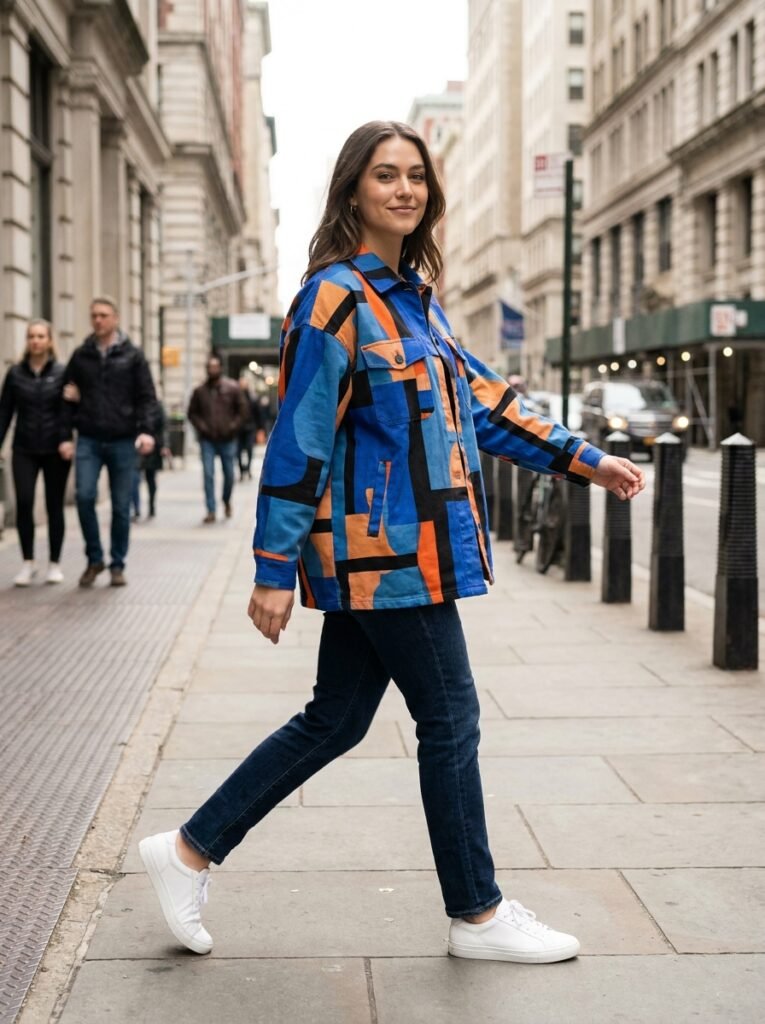
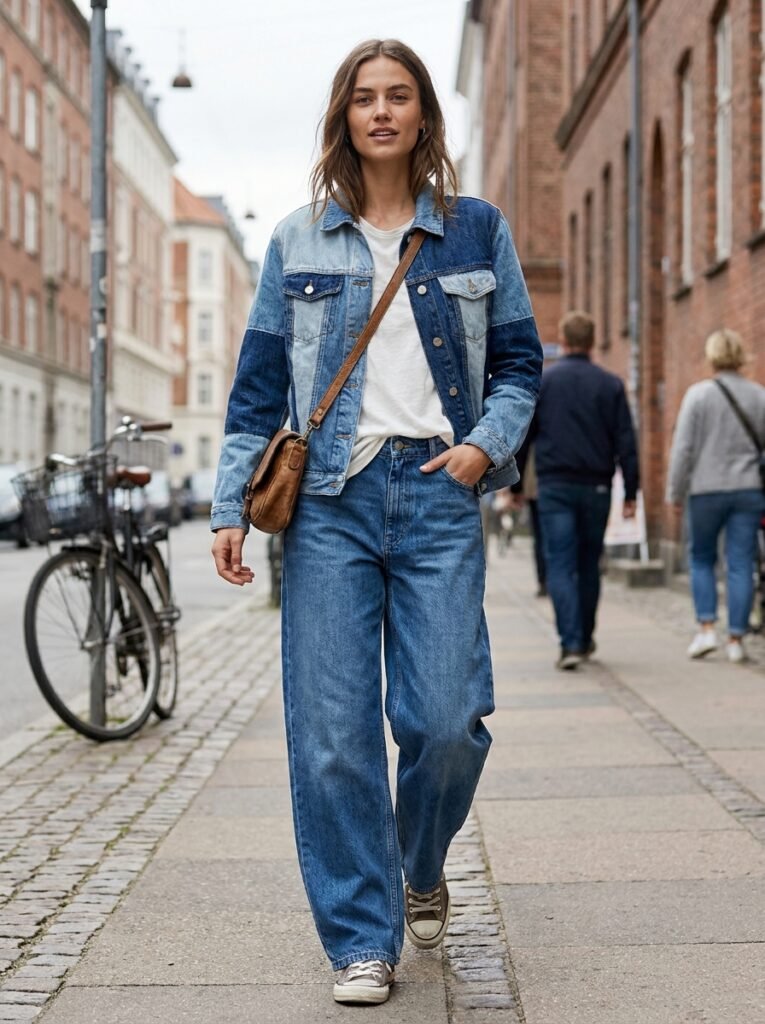
The elastane percentage predicts how a pair of jeans will look in six months. Around one to two percent adds comfort without much cost. Anything higher bags out at the knee and seat and never fully recovers.
Rigid denim behaves in the opposite direction. It feels stiff for the first fortnight, then moulds to the wearer and holds that shape. Current barrel and wide-leg cuts assume rigid fabric for exactly that reason.
Wash affects longevity as well as looks. Distressing and bleaching strip fibre strength before the jeans reach the shop. Those pieces tear at stress points sooner than plain indigo of the same weight.
10. Statement Outerwear Steals the Show
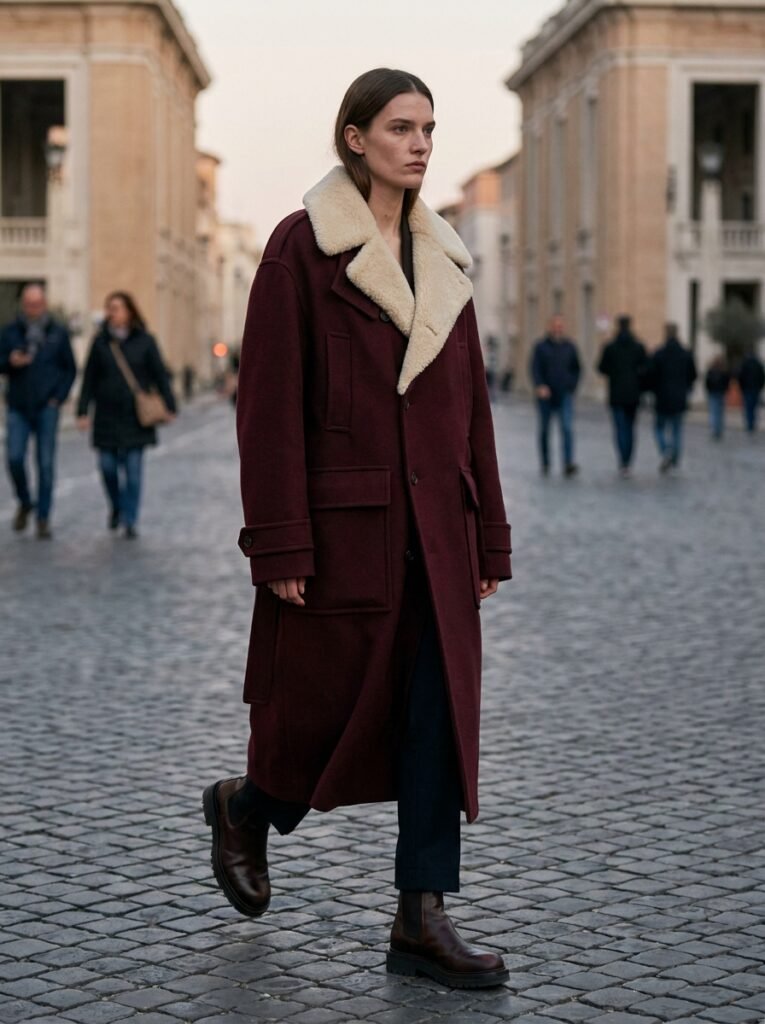
Coats need trying on over the thickest layer they will cover. A coat fitted over a t-shirt in a warm shop pulls across the back later. Add a chunky knit underneath and the sleeves ride up.
Faux fur quality lives in the backing rather than the pile. A woven backing holds the fibres. A knitted backing sheds, and the shedding starts early and never stops. Parting the pile shows which one is there.
Colour does more work here than anywhere else in a wardrobe. A coat covers everything and gets seen most often. Deep burgundy, forest green, or cobalt therefore lifts every outfit beneath it.
11. Accessories That Do the Heavy Lifting
Bags fail at their hardware long before the body wears out. Zips and strap attachments take the load. A riveted strap outlasts one held by stitching alone. Edge paint that has already cracked in the shop will keep peeling.
Jewellery plating comes in grades that sound similar and behave differently. Gold plating is a thin surface layer that wears through. Vermeil requires a thicker layer over sterling silver. Gold-filled carries substantially more gold and survives daily wear for years.
Weight is a rough proxy at the counter. Hollow, very light pieces dent easily. A denser piece of the same size usually indicates more material and better construction.
12. Comfort Dressing That Still Looks Polished

Recovery separates polished comfort from sagging comfort. Stretching a section of fabric and releasing it shows the answer. Good fabric snaps back. Poor fabric stays stretched, and that is the piece that looks tired by lunchtime.
Soft tailoring means unstructured rather than merely stretchy. Stripping out the canvas and shoulder padding makes a jacket drape like a cardigan. The lapels and pockets of a blazer stay.
Ponte, double knit, and heavier jersey all hold a tailored shape where thin jersey cannot. That fabric choice, rather than the cut, is what decides whether comfortable trousers read as tailoring or as loungewear.
Final Thoughts
These twelve seasonal fashion trends split into two groups. Some cost nothing to try, like tonal earthy dressing, ribbon details, or a sheer layer over something already owned. Others are purchases, and those deserve the checks above. Composition labels, seam finishes, grain direction, and hardware all predict how a garment ages. Each takes under a minute to check on the rail. This companion piece on outfit ideas that’ll be everywhere this year covers which trends justify the spend.
Frequently Asked Questions
What are the biggest seasonal fashion trends to know about right now?
Earthy tonal dressing, oversized blazers, elevated knitwear, wide-leg trousers, and the ballet aesthetic lead the list. Sheer layering and bold prints follow close behind. Most of them combine without conflict, so nothing here demands an exclusive commitment.
How can these trends be followed cheaply?
Several cost nothing. Tonal dressing uses existing pieces and ribbon details cost pennies. A sheer layer over an owned base needs one purchase at most. Where money does get spent, secondhand knitwear in wool often outperforms new acrylic at the same price.
What should be checked before buying knitwear?
The composition label first, since merino and lambswool resist pilling while acrylic does not. After that, the seams. Fully fashioned knits take shape on the machine and join edge to edge. That outlasts knitwear cut from a sheet and stitched together.
Can several trends appear in one outfit?
Yes, provided something repeats across them. A shared colour family or a shared fabric weight ties an outfit together. Wide-leg trousers, a sheer layer, and a sculptural earring coexist happily when a single thread runs through all three.
Which accessory justifies the largest spend?
A bag, because it gets used daily and its failure points are structural rather than cosmetic. Riveted strap attachments and a quality zip matter more than the brand. For jewellery, gold-filled outlasts plated by years and costs far less than solid gold.