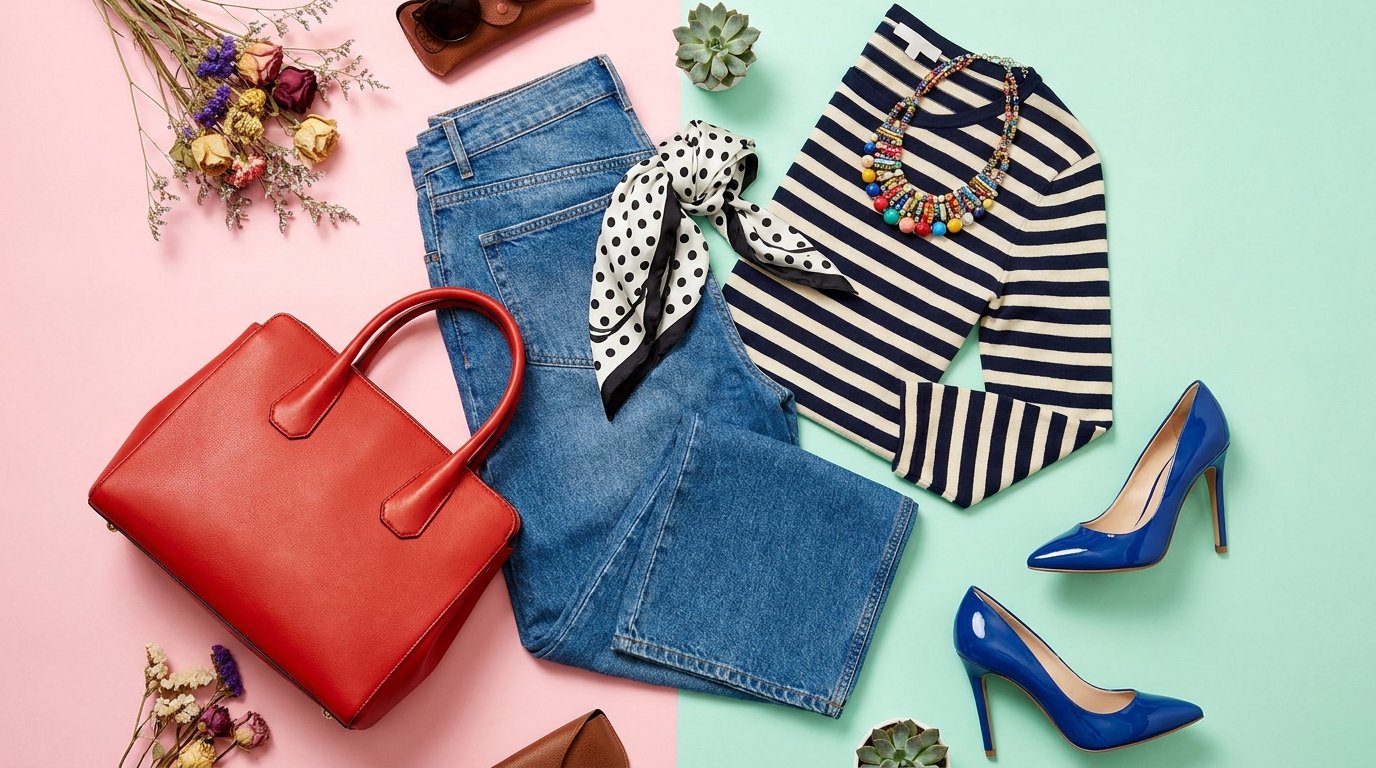
Outfit Ideas That’ll Be Everywhere This Year
Bold Block Colors

Colour blocking opens the list of outfit ideas that’ll be everywhere this year. It succeeds or fails on intensity rather than on the colours themselves. Two saturated shades of similar strength read as a decision. One saturated shade beside a muted one reads as a mistake. The eye treats the weaker colour as a failed attempt at matching.
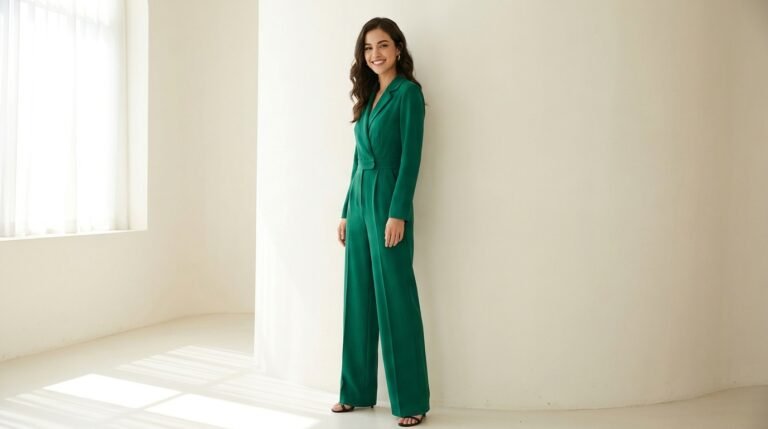
Starting with a single strong piece against neutrals is the low-risk route. A bright trouser suit, a vivid knit, or a saturated dress carries the whole outfit. Everything else simply stays out of the way.
One warning applies to matching sets bought in pieces. Saturated dye behaves differently on different fabrics. A cotton skirt and a crepe top sold as the same colour rarely match under daylight. Checking both together, outside the shop lighting, avoids the problem.
Chili Red Everything
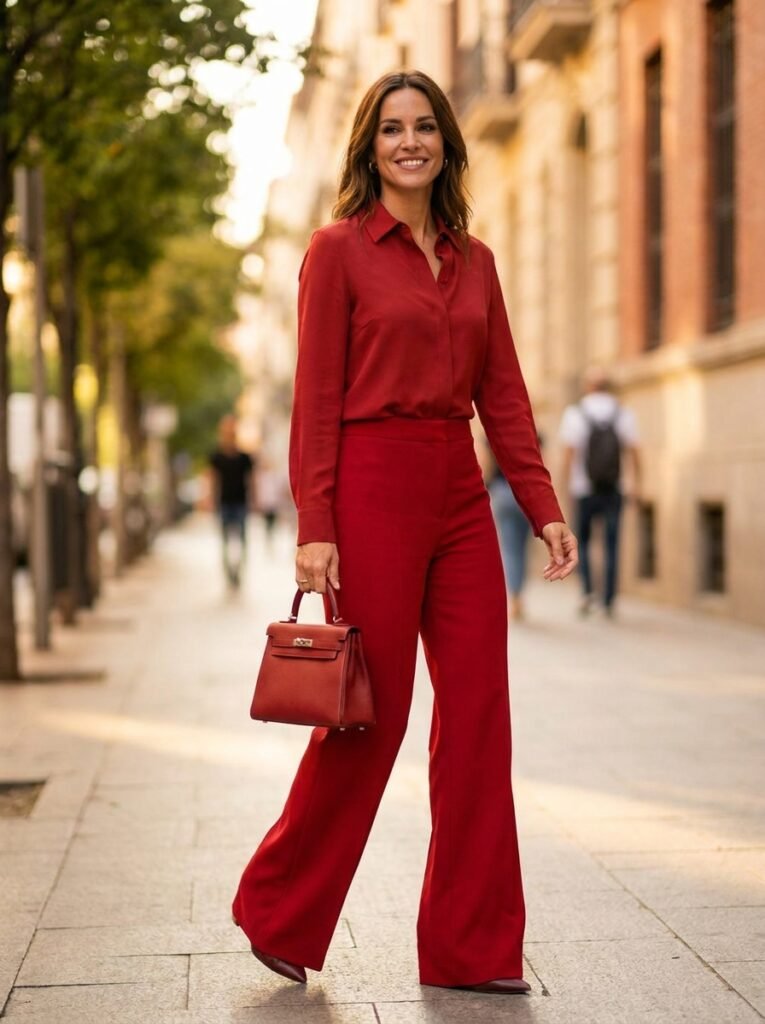
Chili red has circulated widely in retail forecasting. Stitch Fix named it the defining shade for 2026. That prediction is worth separating from the announcements people usually mean by colour of the year.
The two most-cited authorities went elsewhere. Pantone named Cloud Dancer, a soft white, as its Color of the Year for 2026. That marks its first white selection since the programme began. WGSN and Coloro chose Transformative Teal. Neither picked a red.
None of which makes the shade less wearable. Chili red leans warm and slightly orange. That separates it from a blue-based cherry or a deep burgundy. The warmth sits comfortably against camel, cream, denim, and olive. It fights with cool pinks and true burgundy.
A bag or a shoe is the sensible entry point. Small items in a strong colour date more slowly than a coat in the same shade. They appear briefly rather than defining the whole outfit.
Wide Leg Jeans

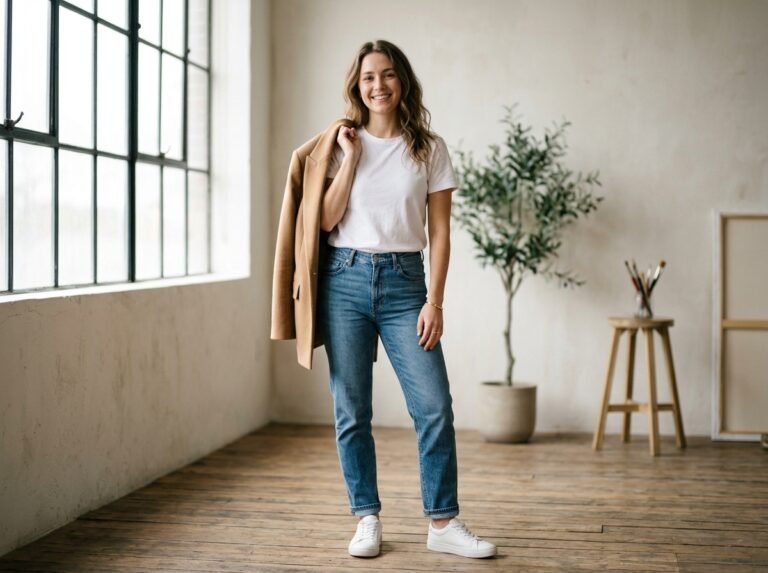
Hem length decides almost everything here. Wide legs should skim the top of the shoe. That means close enough to hide the gap and short enough to avoid dragging. A hem sitting above the ankle interrupts the leg at its widest point, which defeats the purpose.
Footwear needs enough presence to balance the fabric. A chunky loafer, a boot, or a platform holds its own beneath the volume. A slim flat sandal disappears, leaving the trouser to end in nothing.
Rise does the remaining work. A high waist marks where the body narrows. The volume below then reads as a deliberate shape rather than as excess fabric. Proportion questions like this get fuller treatment in this guide to outfit ideas for every body type.
Soft Feminine Dresses

Fabric separates a flowing dress from a limp one. The cut has surprisingly little to do with it. Chiffon, georgette, and cupro fall in soft columns and recover after sitting. Stiff cheap polyester in the same pattern clings and creases.
Lining matters as much. An unlined skirt in a lightweight fabric catches on tights and rides up. No amount of styling corrects that.
Pairing soft with structured works best when the structured piece has a defined shoulder. A soft rounded shoulder over a floaty dress produces two soft shapes. The contrast then vanishes, which was the entire point of the combination.
Statement Stripes
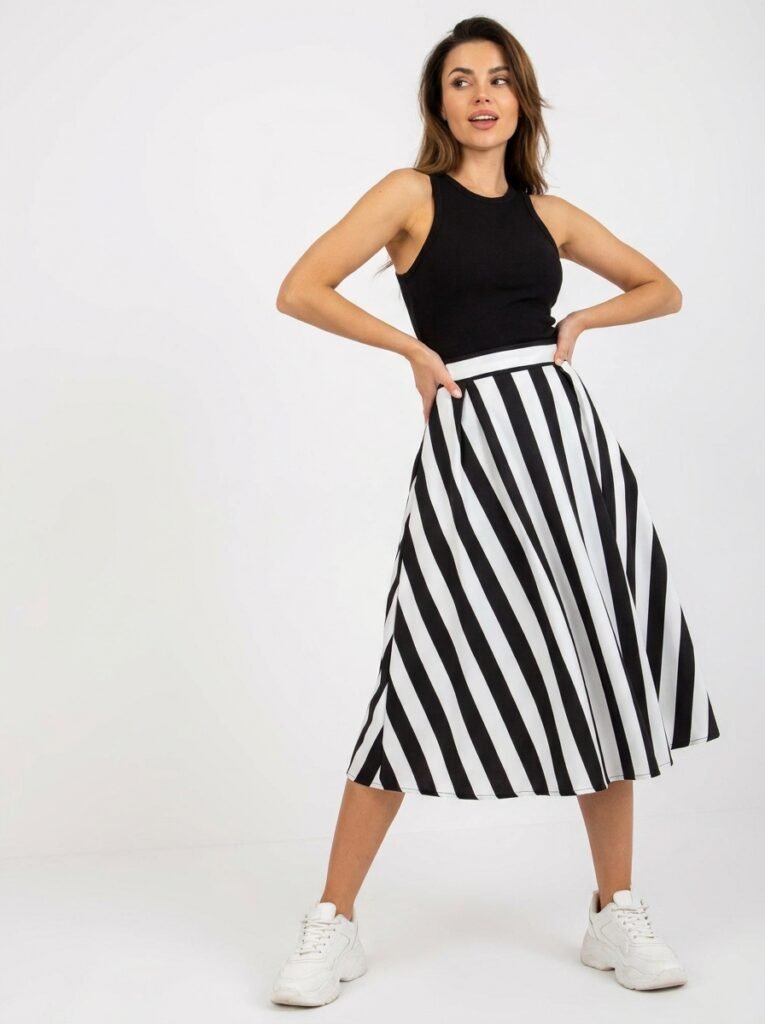
The old rule about vertical stripes slimming is too simple to be useful. Spacing does more than direction. Narrow stripes packed closely together blur into a solid tone from a few paces away. Widely spaced bands stay legible and pull the eye to wherever they sit.
Stripes also work as a free quality check. A well-made garment matches its pattern at the seams. The stripes line up across the side seam and around the armhole. Misaligned stripes signal fabric cut to save yardage, and that shortcut usually shows elsewhere too.
Scale is the last variable. Bold wide bands suit a simple silhouette. A busy cut and a loud stripe compete rather than combine.
Playful Polka Dots

Dot size and dot spacing produce completely different garments. Small dots set close together behave like a texture. From across a room they read as a soft tone. Large dots with generous space between them stay graphic and stay noticeable.
Fabric changes the print as much as the print itself. On drapey material the dots distort along every fold, which softens the effect. On stiff cotton or taffeta they hold their geometry.
Contrast level sets the volume. Black on white shouts. Navy on cream whispers the same idea. Tonal dots in two shades of one colour do the same, and both work more often in a working wardrobe.
Elevated Athleisure
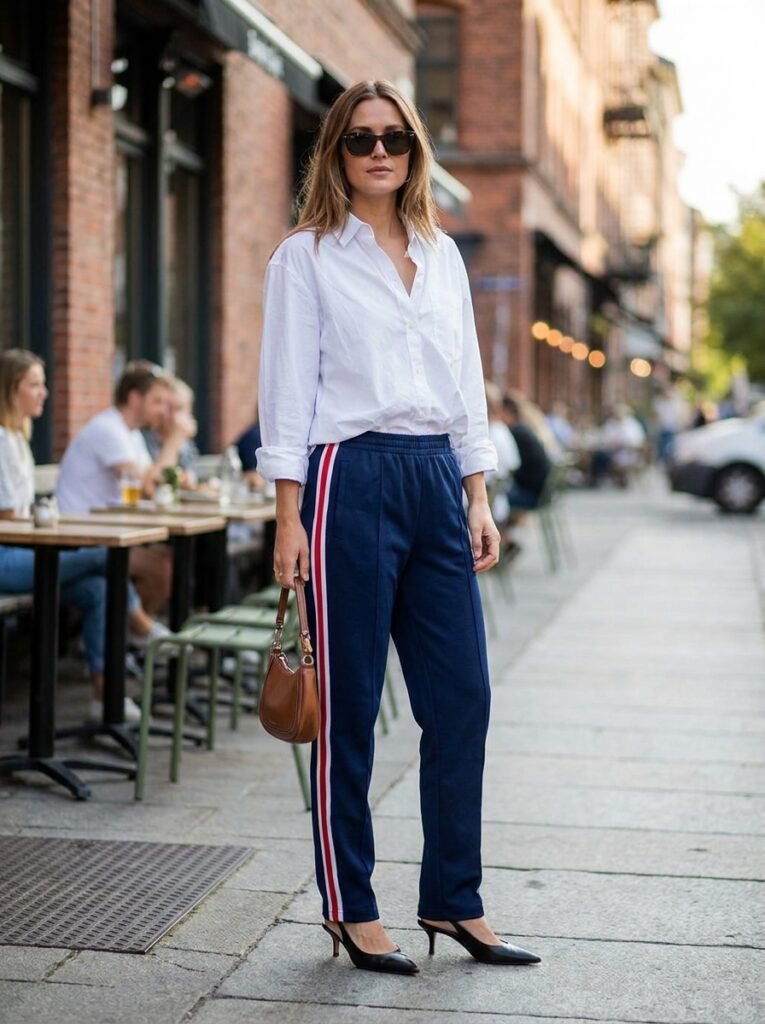
One rule governs this trend. A single athletic piece among tailored ones reads as deliberate contrast. Two athletic pieces read as gym clothes with an accessory. The count matters more than the specific items.
Fabric contrast carries more weight than silhouette contrast. Technical nylon beside wool creates the tension the look needs. So does a jersey track top over cotton poplin. Two soft knits in different shapes do not, however sporty one of them looks.
Track trousers with a crisp shirt is the reliable version. The shirt supplies structure at the top. The trousers supply ease below. The shoe then decides how formal the result lands.
Modern Corsets
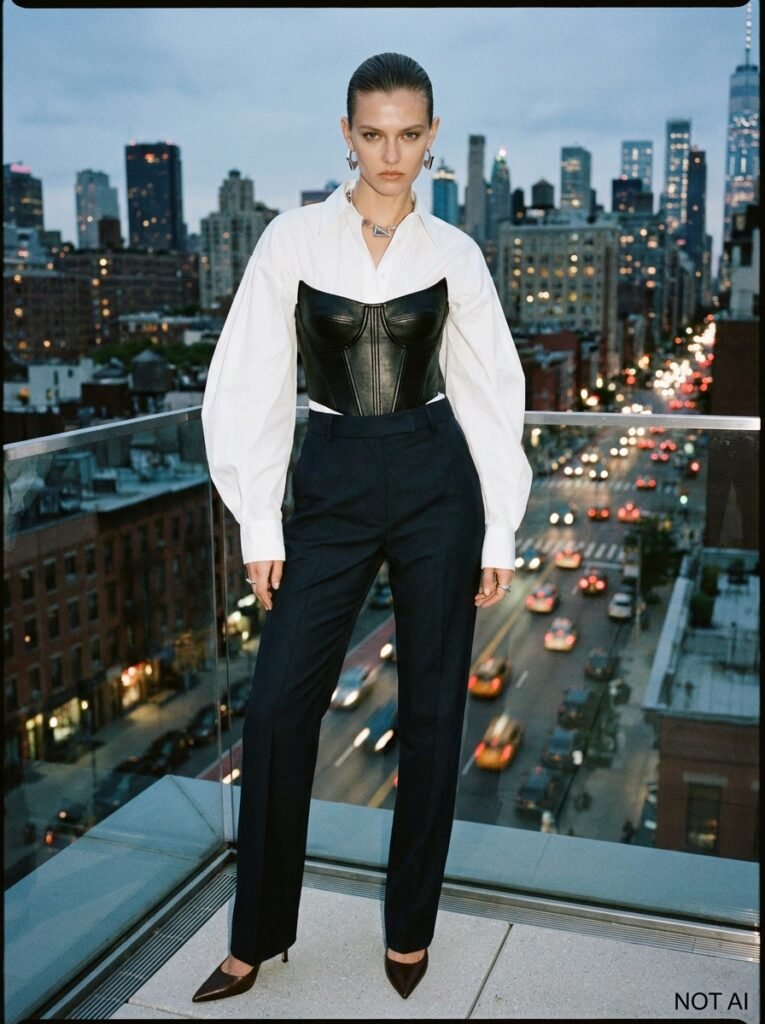
Almost everything sold as a corset now is a shaped bodice. The distinction is practical. Fashion versions use light plastic boning that holds a shape, not steel that compresses one. They sit on the body rather than reduce it.
Layering one over a shirt depends on what sits underneath. A crisp poplin holds its own beneath the panels. A soft jersey or fine knit bunches under the pressure, and the whole line goes lumpy.
Sizing works from the waist and underbust measurements rather than a dress size. The fit points sit in different places from ordinary tops. Longline versions extending over the hip suit more occasions than short ones, which read closer to underwear.
Relaxed Capris
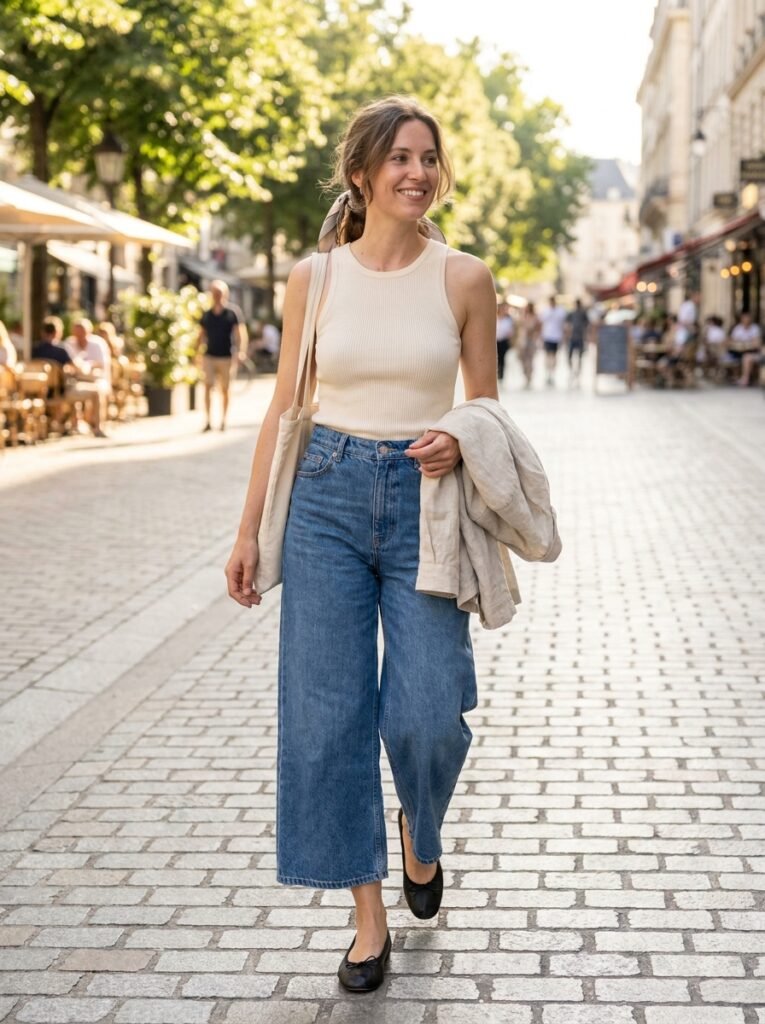
Capris earned a poor reputation for a measurable reason rather than an aesthetic one. The older cut ended mid-calf, at the widest part of the leg. Any hem stopping at a wide point makes that point the focus.
Current versions end lower, below the calf muscle where the leg narrows. That single change accounts for most of the difference. It also explains why the culotte-inspired shapes work while the old ones did not.
Shoes need a low vamp to match. A shoe cutting high across the foot shortens the exposed section. That undoes the length the longer hem just created. Ballet flats, mules, and kitten heels all keep the line open.
Head to Toe Blue
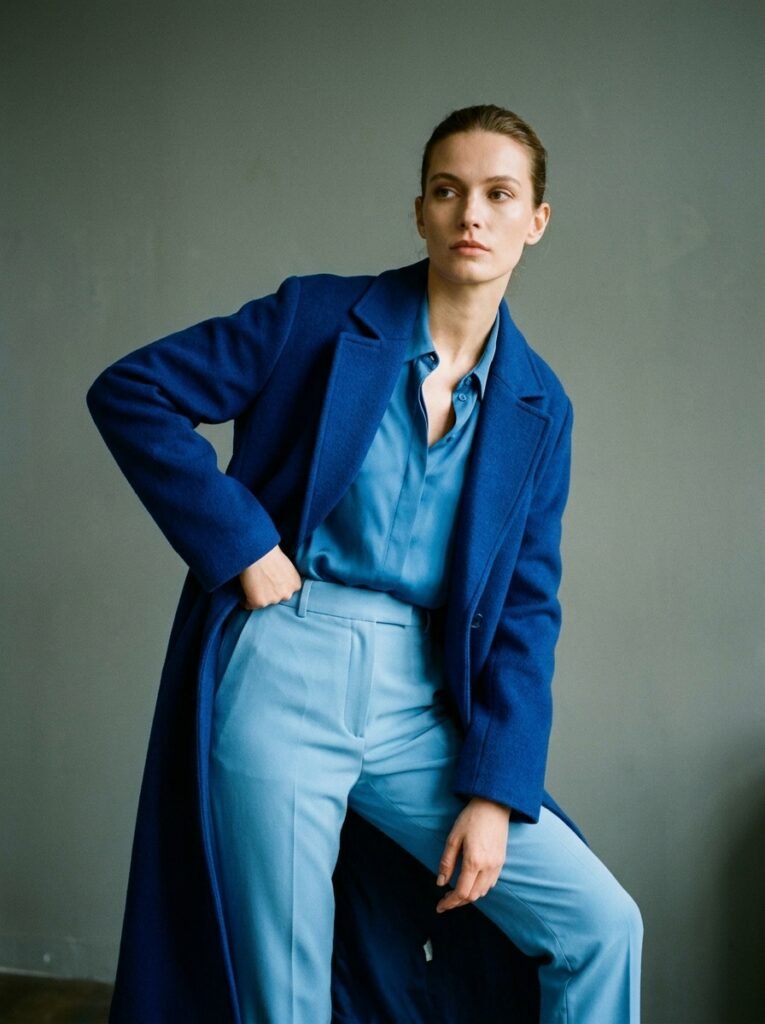
Blue functions as a neutral for a mundane reason. Most wardrobes already hold several shades of it through denim. A blue garment therefore arrives with something to sit beside.
Undertone is where tonal blue outfits go wrong. Cobalt and cerulean lean cool. Teal and petrol carry green. Navy can go either way depending on the dye. Two blues from opposite sides of that divide clash more visibly than two unrelated colours.
The green-leaning blues have industry backing this year. WGSN and Coloro named Transformative Teal their Colour of the Year for 2026. That partly explains why teal and petrol keep appearing on rails beside the brighter cobalts.
Statement Accessories

Accessories are the cheapest way to test a colour before committing. A bag in an unfamiliar shade costs a fraction of a coat. Within a fortnight it reveals whether the colour actually gets reached for.
Scale beats quantity. One large piece anchors an outfit, whether a bag, a cuff, or sculptural earrings. Three medium pieces compete with each other and with the clothes. The result then reads as busy rather than considered.
Metal tone is the detail most often missed. Mixing gold and silver on purpose works. Mixing them by accident does not. A watch, a necklace, and a bag chain in three finishes leaves a good outfit looking unresolved.
Personal Style Over Trends

Trends divide into two kinds, and the distinction is financial. Some change a colour or an accessory, which costs little and reverses easily. Others change a silhouette. A silhouette shift makes an existing wardrobe look wrong all at once, because proportions have to agree.
Cost per wear settles most purchases without much agony. A garment worn weekly for two years justifies a price a single-occasion piece never will. What the two cost at the till barely matters.
Restyling what already hangs in the wardrobe remains the cheapest route to a current look. It is often the most convincing one too. This collection of trendy outfit combinations for a fresh new look works from that starting point.
Final Thoughts
Read together, these twelve share less than they appear to. The outfit ideas that’ll be everywhere this year are not connected by colour or era. They are connected by fit decisions: where a hem lands, how much volume a shoe needs, whether two fabrics contrast enough.
Those decisions transfer between trends and outlast them. The wide leg jean will eventually give way to something narrower. The principle behind it will not. A hem should never stop at the widest point of a leg, whatever the cut.
Colour forecasts read best as weather rather than instruction. They indicate what shops will stock over the coming months, which is useful. They say nothing about what suits any particular person.
Frequently Asked Questions
What is the biggest fashion trend this year?
Colour leads, though not in the way most roundups suggest. Chili red dominates retailer forecasting. Alongside it runs a quieter shift toward buying for personal style rather than for the season.
What was actually named colour of the year for 2026?
Pantone chose Cloud Dancer, a soft white. WGSN and Coloro chose Transformative Teal. Chili red comes from retailer forecasting, including a Stitch Fix prediction, not from either colour authority.
Are wide leg jeans still in style?
Yes, and the hem decides whether they work. The hem should skim the top of the shoe. Stopping above the ankle cuts the leg at its widest point, which fights the shape.
How can trends be followed on a budget?
Accessories, and a bag or shoe in particular. They cost a fraction of a garment in the same colour. Buying secondhand lowers the stakes further.
Which of these trends are worth skipping?
The ones demanding a whole wardrobe change with them. A new colour or accessory costs little and reverses easily. A silhouette shift leaves existing pieces looking mismatched, since proportions have to agree across an outfit.