Trending Hairstyles That’ll Be Everywhere This Year
Hair trends usually get described by how they look. More useful is how they are built, because that determines whether a cut survives contact with an ordinary morning. The trending hairstyles of this year share a structural logic: shapes that hold as they grow, and colour that blurs its own regrowth.
That logic explains the pattern in what salons report. Blunt perimeters and internal graduation are doing the work that daily styling used to do. On the colour side, warm and rooted formulas have displaced the high-contrast work that needed a touch-up every six weeks.
Twelve cuts and colours follow, each covered by what defines it technically rather than what it evokes. That includes the trade-offs, since most of these come with one.
The Sculpted French Bob

Length defines this one precisely. A French bob finishes between the chin and the mouth, shorter than a standard jaw-length bob and considerably shorter than a lob. A fringe traditionally accompanies it, though plenty of current versions skip that part.
The word sculpted refers to what happens inside the cut rather than on the surface. A stylist removes weight from underneath, which lets the ends curve inward on their own. No layers appear on top, so the outline stays solid while the interior does the shaping.
That solid outline is also the maintenance cost. The whole effect rests on a clean perimeter, and once the ends soften the shape reads as an unremarkable short bob rather than a deliberate one.
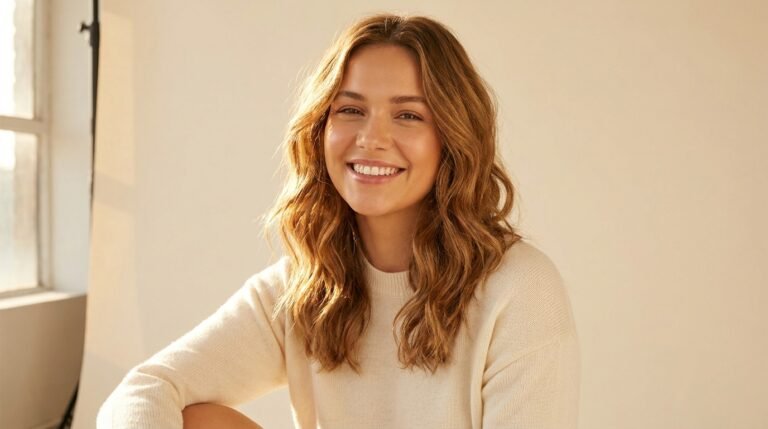
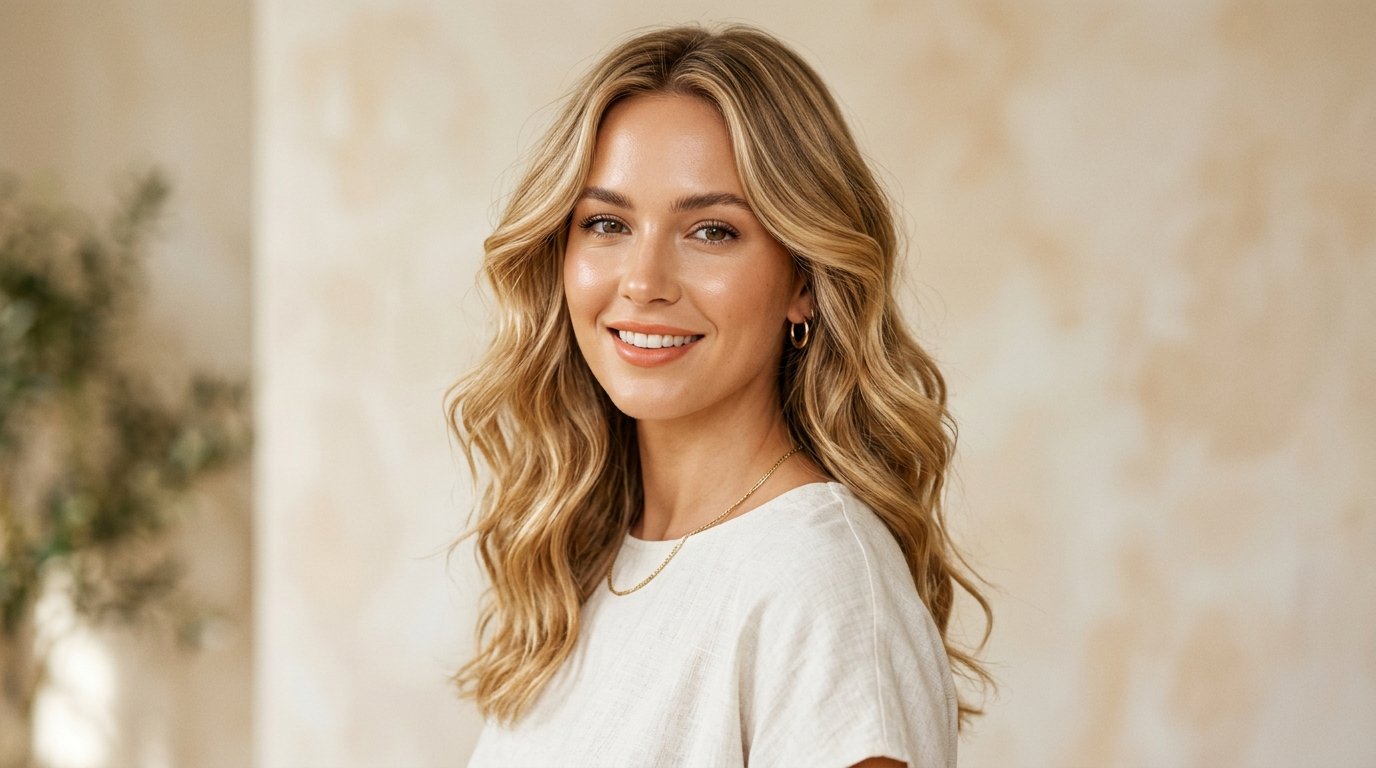
Warm, Sun Kissed Blondes
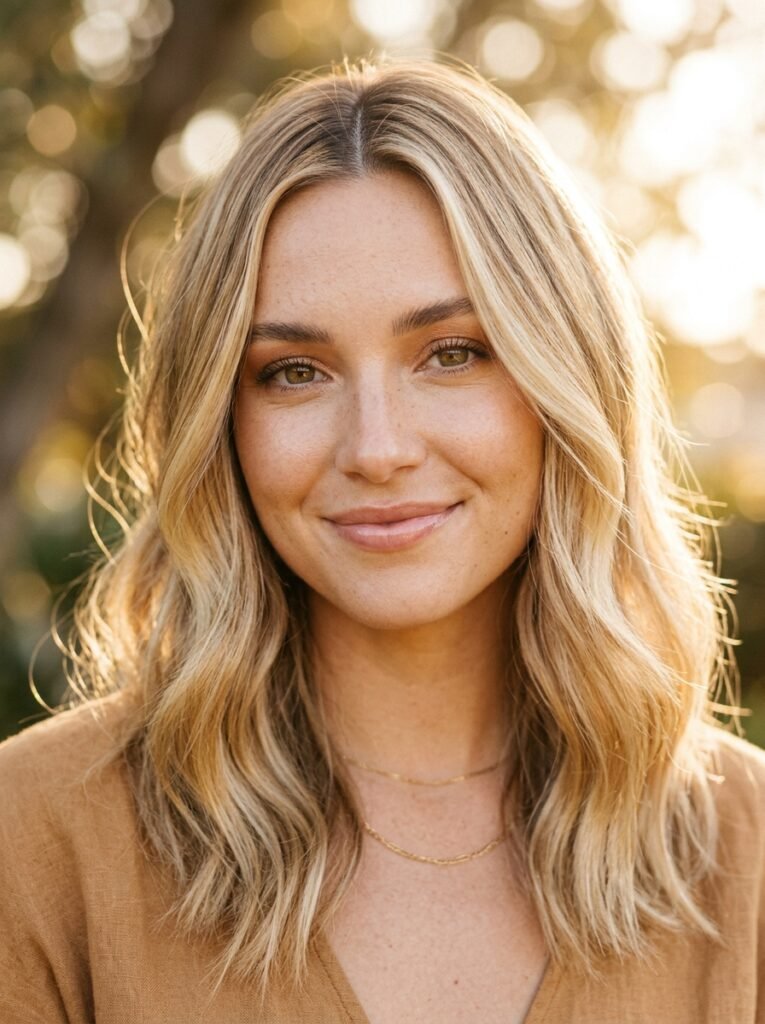
The move from icy to warm has a chemical explanation behind the aesthetic one. Lightening dark hair exposes underlying warm pigment, and cool blondes require violet or blue toner to neutralise it. That toner fades within weeks, which is why platinum drifts brassy and needs constant correction.
Honey, wheat, and vanilla shades work with that underlying warmth instead of against it. The tone that emerges as the toner fades sits close to the intended result rather than opposing it.
Root placement finishes the job. Leaving the base a shade or two deeper means new growth arrives as a gradient rather than a line, which stretches the gap between salon visits from weeks into months.
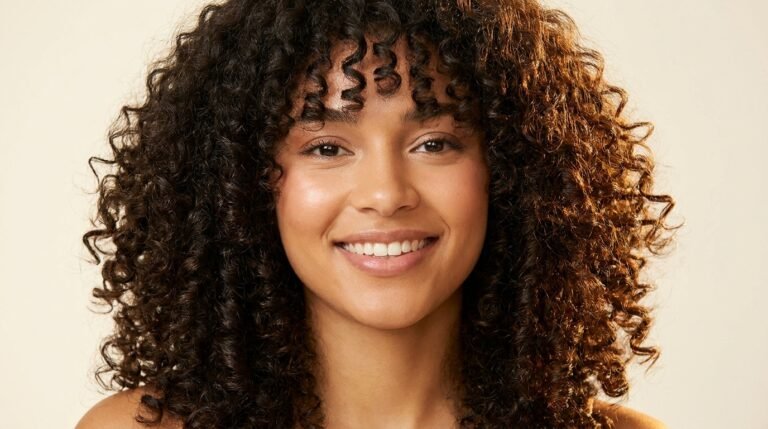
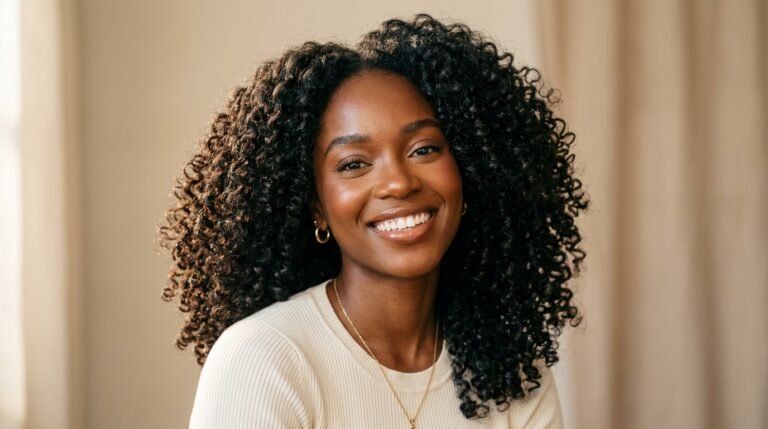
Embracing Your Natural Texture

The visible shift is cultural, but the technical shift matters more. Salons increasingly cut textured hair dry, section by section, rather than combing it wet and cutting a straight line into it.
The reason is shrinkage. Curly hair contracts as it dries, sometimes by several inches, so a length that looks correct when wet lands far shorter once the pattern returns. Cutting dry removes the guesswork, because the hair is already sitting where it will sit.
The consultation changes too, since the cut now has to suit how the hair behaves rather than how it looks under a comb. This guide to versatile curly hairstyles for all hair types covers what to do with the result.
The Lived In Shag

The current shag has drifted some distance from the one that made the shape famous. The original relied on hard disconnection, with layers that visibly refused to relate to one another. The lived-in version blends those transitions, so the layers read as movement rather than as steps.
The fringe marks the other difference. Where the older shag took a full blunt bang, the current one usually takes a curtain fringe that parts and sweeps outward, which softens the whole outline.
One thing has not changed. A shag lives or dies on the cut, not the styling. Layers cut at uniform lengths produce a shape with no internal variation, and no amount of product afterwards will introduce the movement the cut failed to build in.
The Glassy Bob
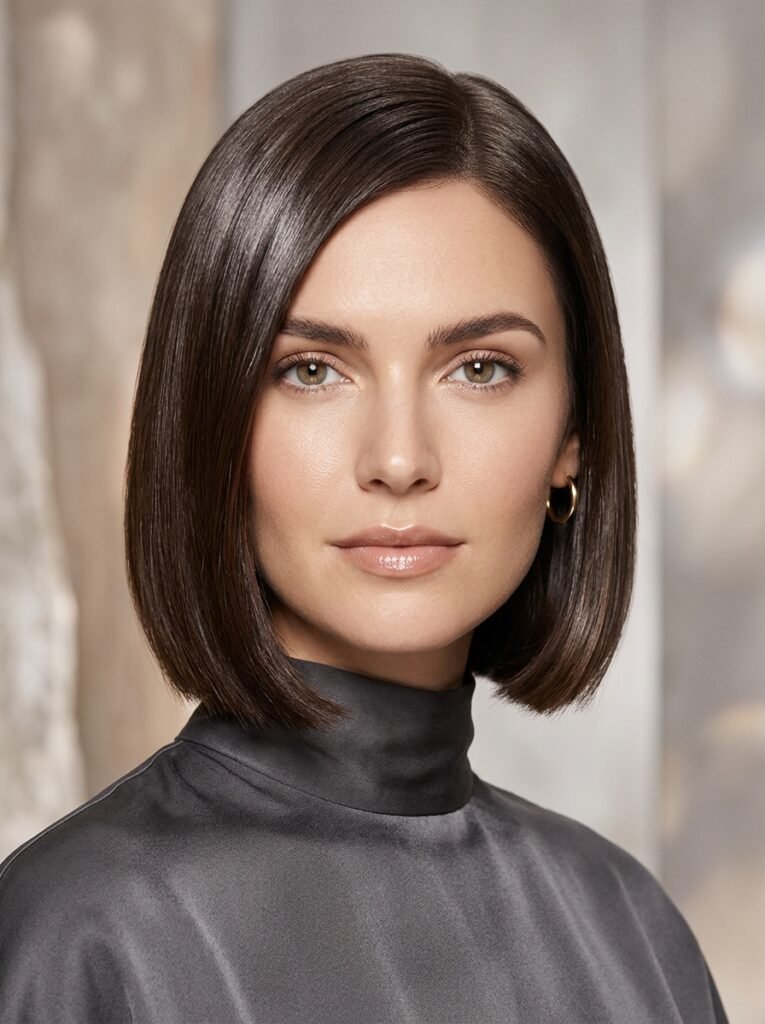
Shine is a physical property rather than a styling flourish. Light reflects cleanly when the cuticle scales lie flat, and scatters when they lift. Everything that produces a glassy finish works on that single principle.
Salons handle it with a gloss or glaze, a demi-permanent treatment that deposits without lifting. It seals the cuticle, adds an optional tint, and lasts a few weeks. Nothing sold for home use matches it, though a cool final rinse helps the scales lie down.
Hard water quietly undermines the whole thing. Calcium and magnesium deposits build a film on the hair shaft that dulls reflection regardless of what goes on top. A chelating shampoo used occasionally strips that residue where a regular shampoo cannot.
Soft, Wispy Bangs

Density is decided before a single cut is made. The stylist takes a triangular section at the front, and how far back that triangle reaches determines how much hair ends up in the fringe. A shallow triangle gives the wispy version, while a deep one produces something considerably heavier.
The soft edge comes from point cutting, where the scissors angle upward into the ends rather than across them. A straight horizontal cut produces a blunt line no matter how little hair is in the section.
Hair type sets the limit. Fine and medium hair holds a wispy fringe well. Coarse, dense hair tends to push the pieces apart and rebuild the weight the cut was designed to remove.
The Graduated Bob

Graduation means stacked weight. Hair at the nape is cut shorter and each layer above it sits slightly longer, building a wedge that pushes the back outward. The perimeter then angles downward toward the face.
The steepness of that angle separates the current version from the one people remember from the early 2000s. A sharp drop from nape to chin looks dated now. A shallower angle, with less stacking behind, gives the same lift without the severity.
Density matters here more than face shape. The wedge needs hair to build with, so thick and medium hair supports it comfortably. Fine hair often ends up with a thin, shelf-like back where the graduation was supposed to sit.
Seventies Inspired Layers

Feathered seventies layers and the shag get grouped together constantly, and they are not the same cut. A shag disconnects. A feathered cut connects, with every layer graduating smoothly into the one below it, which is what produces the rounded silhouette rather than a choppy one.
The outward flick around the face comes from cutting those front sections at a steep angle. The shorter pieces sit higher and turn away from the cheekbone as they dry.
Volume was originally set on rollers, which is worth knowing because the modern version cannot rely on that. Today the shape has to come from the cut itself, and a stylist who builds enough graduation through the crown produces body that survives air drying.
The Pixie Cut Statement

A pixie takes almost no time in the morning and a substantial amount of time over the year. The two facts get discussed separately, and they belong together.
The daily reality is quick. Product through the top, a few seconds of tousling, done. The annual reality is a salon visit every four to six weeks, because the outline at the nape and around the ears loses definition faster than any other cut. Once that perimeter blurs, the shape goes with it.
Growing one out is the part worth planning for. The hair passes through several months of an awkward in-between length before it reaches anything resembling a bob. Anyone weighing that trade-off may prefer the range covered in this guide to easy-to-style short haircuts for busy lifestyles.
Bold Pops of Color

Vivid shades usually come from direct dyes, which behave differently from standard colour. They contain no developer and deposit pigment onto the cuticle rather than inside the cortex, so they wash out gradually instead of growing out with a line.
That fading is the appeal and the catch. Nothing needs correcting later, but on dark hair the pigment simply will not show without pre-lightening first, which is where the actual commitment sits.
Placement handles the risk. Panels underneath the top layer appear only when the hair moves, which suits anyone testing the idea before committing to visible sections. Vivid pigments also transfer onto pillowcases and pale clothing for the first several washes.
Rich, Luminous Brunettes
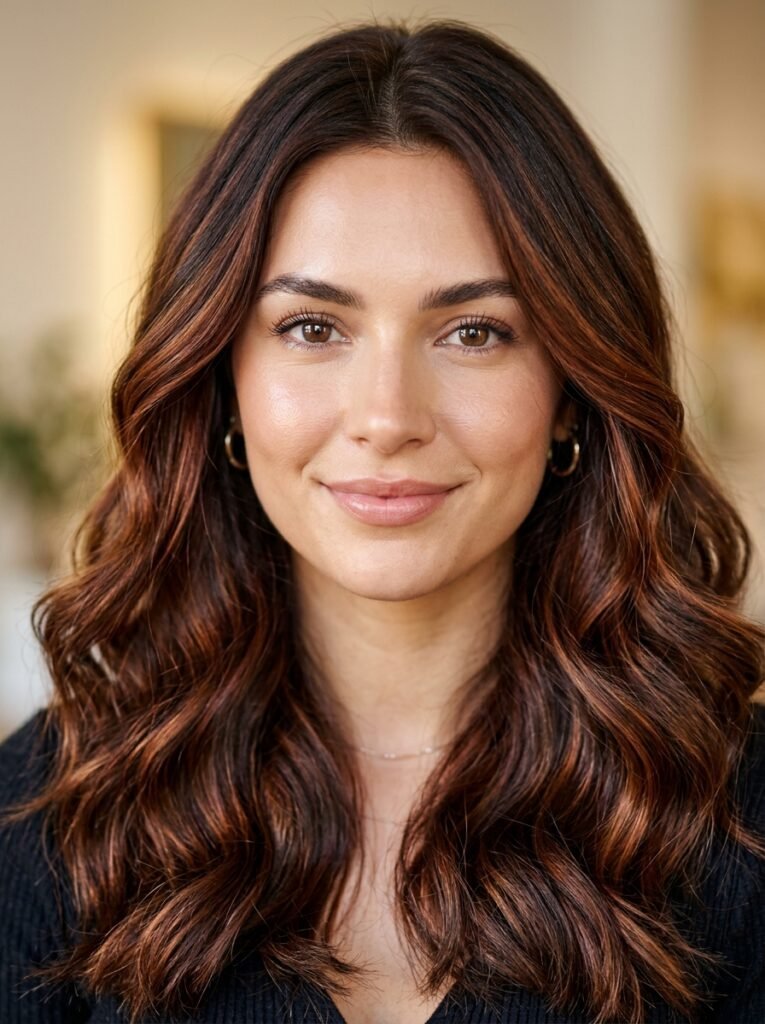
Dimension in dark hair comes from a spread of two or three shades rather than a single tone. Lowlights add depth, a few lighter pieces catch light, and a gloss over the top unifies the result.
Dark colour hides damage better than blonde does, since the pigment masks the lifted cuticle that makes bleached hair look porous. It also shows dullness more clearly, because there is no brightness to distract from a flat surface.
One caution belongs with this trend. Going darker takes a single appointment. Coming back lighter afterwards can take several, because permanent dark pigment resists lifting and often pulls warm on the way out.
Natural Silver and Grays
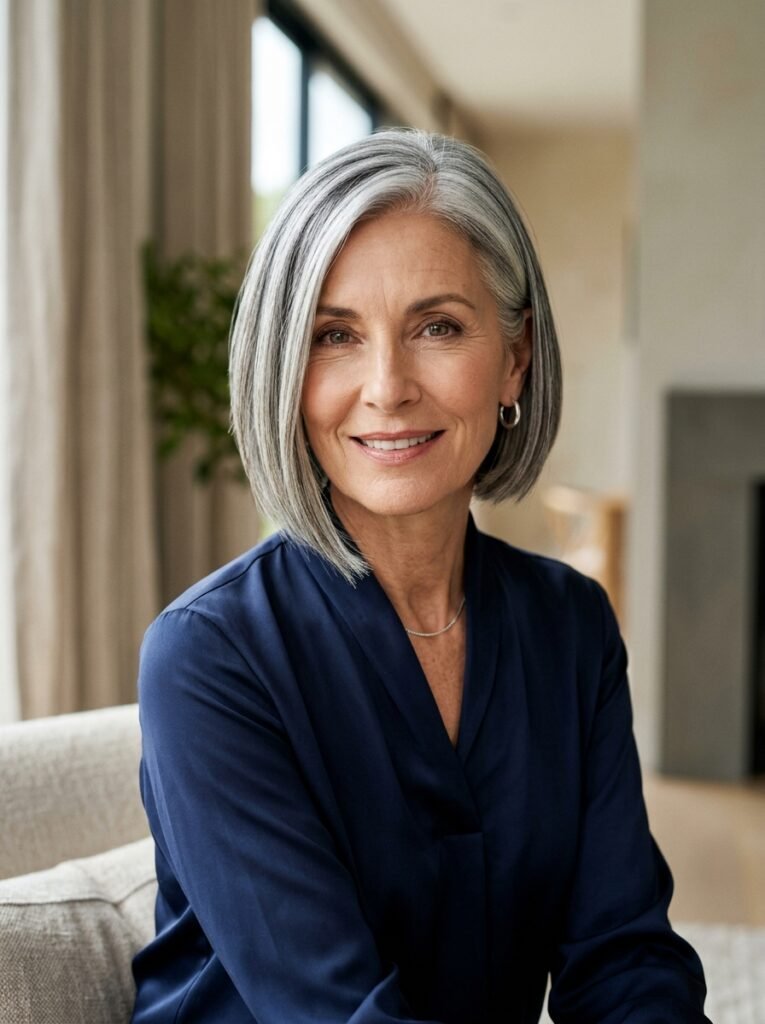
Grey hair is hair that has stopped receiving pigment. Melanocyte stem cells supply the melanin that colours each strand, and they fail earlier than the stem cells responsible for growth, which is why hair keeps growing after the colour stops.
Research has begun to explain the mechanism. An NIH-funded team at New York University found that these cells move between compartments of the follicle and switch back and forth between states, then become stuck with age and lose the ability to do either. The work was done in mice, so the same mechanism in humans remains unconfirmed.
The practical differences are noticeable. White strands have a coarser, more open cuticle, which makes them drier and more resistant to product. They also yellow over time from UV exposure, minerals in water, and styling residue. Purple shampoo corrects that, though used too often it leaves a lilac cast of its own.
A sharp cut suits the colour for a straightforward reason. Silver reads as deliberate when the shape around it is precise, and looks unintentional when the outline is soft.
Final Thoughts
A single thread runs through all twelve. Each one is designed to look intentional without daily intervention, whether through a perimeter that holds its own shape or a colour formula that blurs its regrowth.
The useful conversation with a stylist is about upkeep rather than inspiration. Photographs communicate the target, but the questions that determine satisfaction are how often the cut needs shaping, what it looks like at week eight, and what growing it out involves.
Trends also move at different speeds. Colour can be adjusted within a few weeks, while a cut sets the terms for months. That asymmetry is worth weighing before the scissors come out.
Frequently Asked Questions
What connects this year’s biggest hair trends? Low upkeep, built into the cut and the colour rather than added afterwards. Blunt perimeters hold their shape as they grow, and warm, rooted colour blurs the regrowth line instead of drawing one.
What separates a French bob from a graduated bob? The French bob is one length, cut between chin and mouth, with weight removed from inside so the ends curve under. The graduated bob is shorter at the nape and angles longer toward the front, building stacked volume at the back.
Why are warm blondes easier to maintain than platinum? Lightening exposes warm pigment underneath, and cool blondes need toner to cancel it out. As that toner fades, platinum turns brassy while a honey or vanilla shade simply settles closer to where it started.
Which of these trends demands the most commitment? The pixie. It needs reshaping every four to six weeks to keep its outline, and growing it out means several months at an awkward length. Vivid colour is the opposite, since direct dyes fade rather than growing out with a line.
How is a glassy finish actually achieved? By getting the cuticle to lie flat so light reflects evenly. A salon gloss or glaze does most of it, a cool final rinse helps, and a chelating shampoo removes the mineral film from hard water that dulls shine.