
Twelve Ways to Wear Medium Length Hair, From Lobs to Updos
Medium length hair sits between a crop and long layers, and that middle ground turns out to be the practical one. The most versatile medium hairstyles cover a wide range of looks without demanding much extra time. Hair that grazes the collarbone can go sleek, wavy, pinned up, or braided within the same week.
Much of the appeal is logistical. Medium hair holds enough length for an updo but dries far faster than long hair. It also carries product well, since the ends are not long enough to go limp under a cream or an oil.
Eleven cuts and styles follow, along with a short set of habits that make all of them easier. Some are salon decisions. Others take five minutes at a bathroom mirror. Proportion plays its own part in the choice, and that topic gets separate treatment in this guide to the best medium hairstyles for your face shape.
The Classic Lob

The lob lands somewhere between the jaw and the collarbone, and that single measurement does most of the work. Hair at that length still swings, still tucks behind an ear, and still gathers into a small ponytail.
Stylists cut it several ways. A blunt perimeter builds weight at the ends and makes fine hair look denser. Softer, point-cut ends move more freely, which suits thick hair that already carries plenty of body.
Drying time drops sharply compared with longer hair. A lob air dries in a fraction of the time, which explains much of its following among people who rarely reach for a dryer.
Medium Layers for Movement

Layers change how medium hair falls. Shorter pieces sit above longer ones, so the hair stacks instead of hanging as one flat curtain. Placement decides the effect. Layers that start near the chin lift the front sections, while layers kept low add movement only at the ends.
Hair type steers the cut. Thick hair usually needs interior layers that pull out weight without disturbing the outline. Finer hair does better with a few soft layers near the surface, which keep the ends looking full rather than wispy.
The Medium Shag

The shag arrived in the early 1970s and has never fully left. Its signature is disconnection: choppy layers throughout, a shorter crown, and a fringe that runs into the sides.
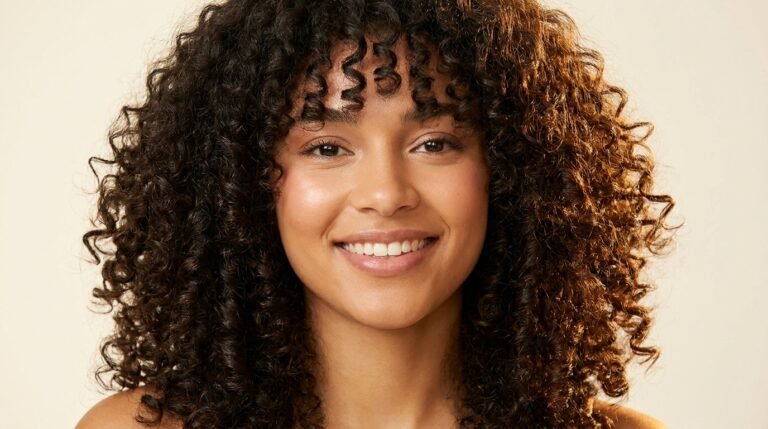
Texture does the styling here. A shag rewards air drying, a scrunch of sea salt or texture spray, and very little brushing. Combing it smooth flattens the layers and defeats the shape.
It also grows out gracefully. Because the layers are irregular by design, a few extra weeks between appointments barely register.
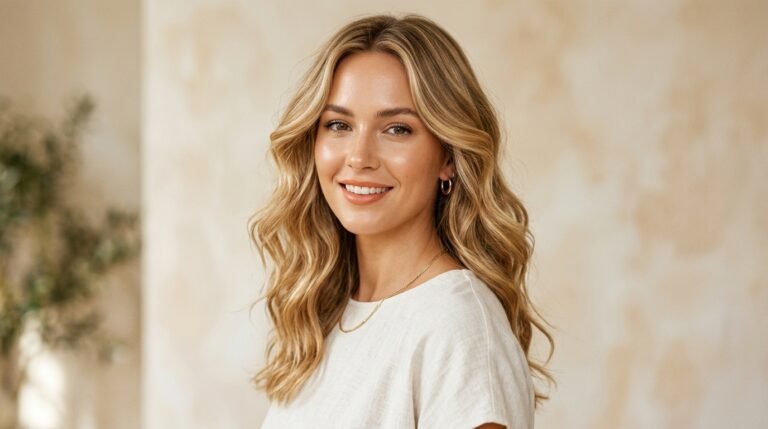
Soft Medium Waves

Waves suit medium length because gravity works in their favour. There is enough hair for the pattern to read clearly, and not so much weight that the bend drops out by lunchtime.
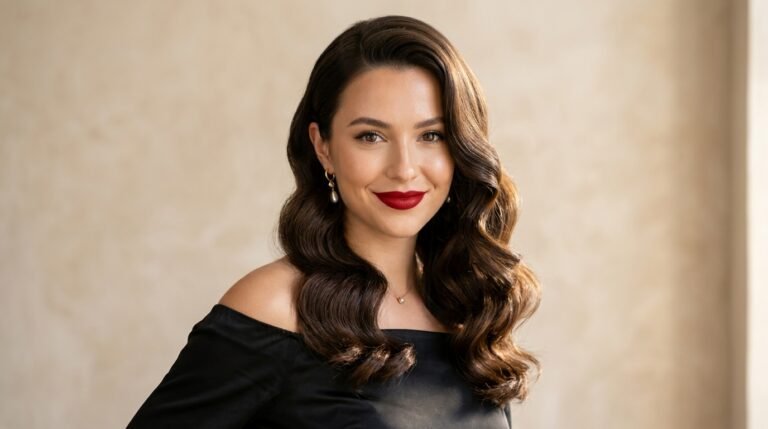
Technique changes the result. Alternating the wand direction from section to section gives an uneven, natural pattern. Winding every section the same way looks more polished and retro. Letting each curl cool completely before it drops helps the shape hold.
Heat is not the only route. Damp hair twisted into two loose ropes and slept on loosens into a soft bend by morning.
Sleek Straight Medium Hair

Straight medium hair reads as deliberate. The clean line at the ends catches light, and shine shows more plainly on a smooth surface than a textured one.
Preparation matters more than the iron itself. A heat protectant goes on while the hair is damp, and the hair dries fully before any plate touches it. The American Academy of Dermatology advises low or medium heat settings plus a protective product, noting that excessive heat damages every hair type.
Small sections and one slow pass beat several fast ones. A drop of serum finishes the ends, though too much weighs the length down and dulls the shine it was meant to add.
The Medium Cut With Curtain Bangs

Curtain bangs part at the centre and sweep outward. The shortest point usually sits near the cheekbone, and the longest edge merges into the length beneath. On medium hair that merge happens quickly, so the fringe becomes part of the cut rather than a separate feature.
Daily upkeep is brief but real. Bangs need drying first, straight after washing, and they need direction while still damp. Left alone, they set into whatever shape the pillow gave them overnight.
Growing them out causes little trouble. The shortest pieces simply lengthen until they join the front sections of the cut.
Medium Half Up Styles

A half up style lifts the top section and leaves the rest down. Medium length flatters the proportions, since the loose portion is long enough to show and short enough to stay tidy.
The starting point changes everything. A narrow band taken from temple to temple sits close to the crown and looks soft. Sweeping up everything above the ears builds a firmer shape with more lift at the back.
Second day hair holds the style better than freshly washed hair, because a little grit gives pins something to grip. Faster variations on this idea appear in this collection of hairstyles that take under five minutes.
The Medium Ponytail

Medium hair produces a ponytail with one specific advantage: the tail is short enough to stay put. It does not tangle in a bag strap or catch under a coat collar.
Height sets the tone. A ponytail at the crown lifts the whole face and reads as energetic. One at the nape sits flatter and looks more formal. Fabric covered elastics snag less than the standard kind, and a slightly looser fastening puts less strain on the roots.
Medium Braided Styles

Braiding medium hair calls for different handling than braiding long hair. The ends taper sooner, so a plait can run out of length before it looks finished. Small clear elastics solve most of that problem.
A Dutch braid sits on the surface of the hair instead of sinking into it, which suits mid-lengths particularly well. A single side braid works too, gathered over one shoulder where any shorter layers can be pinned out of view.
Half braided looks sidestep the length issue entirely. Only the top section gets plaited, and the remaining hair hangs loose underneath it.
The Medium Bob

The medium bob stops around the jaw, a little shorter than a lob and noticeably more structured. Its outline carries the whole look, so the perimeter needs to stay clean.
Fine hair gains the most from it. Removing the thinnest lower inches concentrates whatever remains, and the ends look considerably denser as a result.
Styling stays quick. The length dries in minutes, tucks behind the ears without slipping free, and holds a slight bend from a large barrel without much effort.
Medium Updos for Any Occasion

Updos on medium hair often behave better than updos on long hair. A French twist, for instance, needs far less bulk than long hair supplies, and mid-lengths land close to the ideal amount.
A low chignon works especially well. The hair twists at the nape, folds under itself, and holds with three or four pins rather than a dozen.
Grip is the usual obstacle. Clean hair slides, so a light mist of texture spray or dry shampoo before pinning separates a style that lasts from one that unravels by noon.
Tips for Styling Medium Hair

A handful of habits keep medium hair working across all of these styles.
Product placement comes first. Creams, oils, and mousses belong from the mid-lengths down. Applied at the roots, they flatten the lift that gives medium hair much of its shape.
Drying method affects the finish more than most people expect. Squeezing water out with a cotton t-shirt or a microfibre towel roughs up the cuticle far less than rubbing with a bath towel.
Trims keep the outline honest, since medium cuts depend on a defined perimeter and blur once the ends split. Moving the parting every so often helps too, because a fixed part gradually trains the hair into one direction.
Final Thoughts
One pattern runs through all of these options. Medium length asks little and gives back a lot. The same cut travels from sleek to textured to pinned up without another trip to the salon.
A proper consultation earns its time. Density, natural texture, and the realistic amount of morning effort should all shape the cut. Stylists who hear all three tend to produce something wearable rather than something that only works in the chair.
None of it is permanent, either. Layers soften, bangs lengthen into the front sections, and a bob becomes a lob within a few months.
Frequently Asked Questions
Which medium hairstyle is the most adaptable?
The lob and a layered mid-length cut adapt most easily. Both hold a wave, straighten cleanly, and gather into a ponytail. Neither one depends on a single styling method to look finished.
Can medium hair be styled in many different ways?
Yes. The length reaches far enough for braids, updos, and ponytails while staying quick to wear down. Few other lengths cover that much ground.
Is medium hair low maintenance?
Broadly, yes. It dries faster than long hair and needs reshaping less often than a short crop. The main upkeep is a clean perimeter and healthy ends.
Do curtain bangs suit medium hair?
They pair well with it. The blend into mid-length hair is short, so the fringe reads as part of the cut. Growing them out is straightforward, since the shortest pieces become front layers.
How does a medium cut stay looking fresh?
Regular trims keep the outline crisp, which is exactly what most medium cuts rely on. Beyond that, a heat protectant before hot tools and product kept away from the roots do most of the work.