15 Timeless Wedding Dress Styles That Never Go Out of Fashion
Bridal shopping runs on adjectives. Boutiques describe gowns as romantic, ethereal, or effortless, and none of those words explain what a dress actually does on a body. Timeless wedding dress styles are easier to compare once the vocabulary turns concrete.
Every silhouette on this list comes down to one decision. Where does the fabric leave the body, and how suddenly? A gown that releases at the natural waist behaves nothing like one that releases at the knee. That single measurement governs how a bride walks, sits, dances, and climbs a step.
What follows covers twelve silhouettes and details, each defined by construction rather than mood. The practical trade-offs appear alongside them, because most gowns carry at least one.
The Classic A-Line Silhouette Remains Forever Fashionable
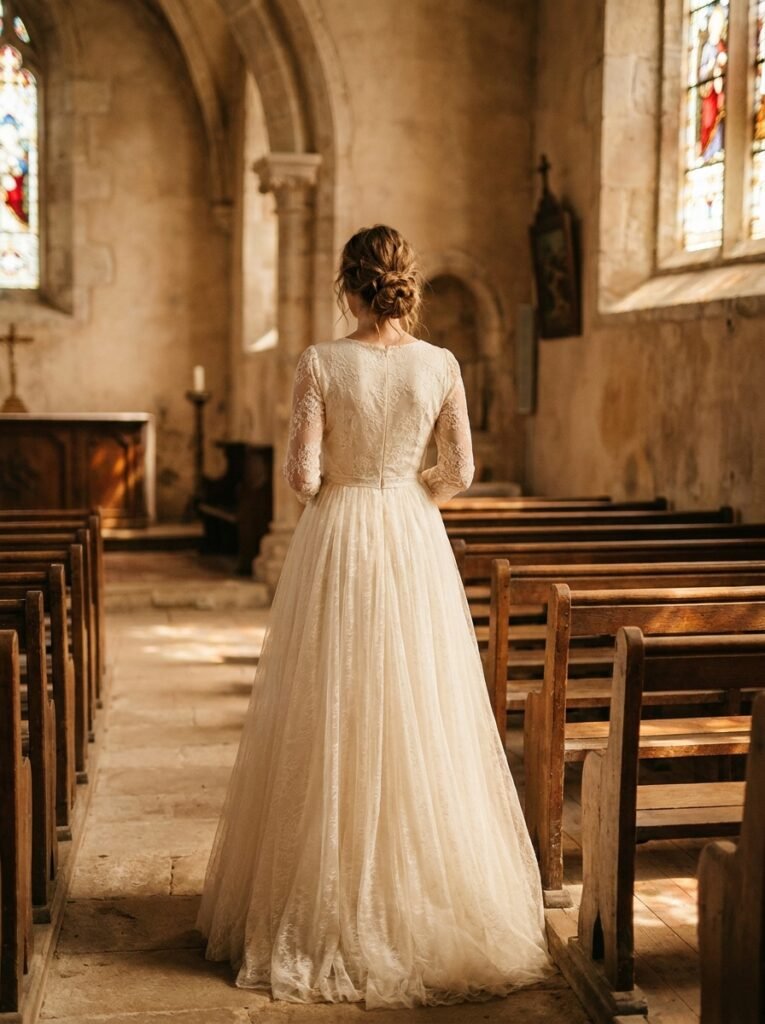
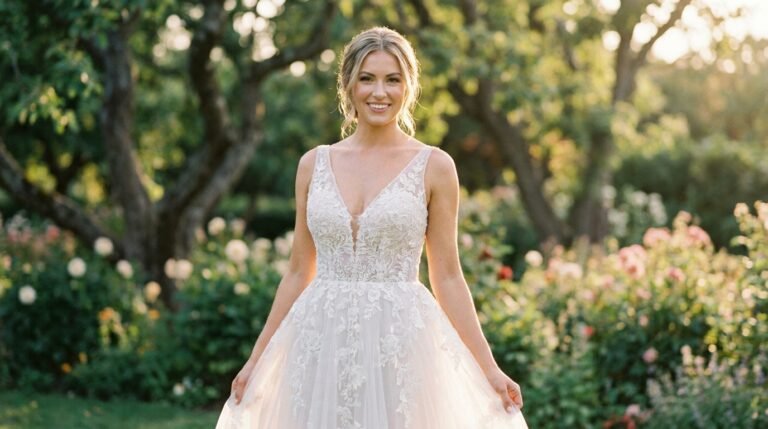
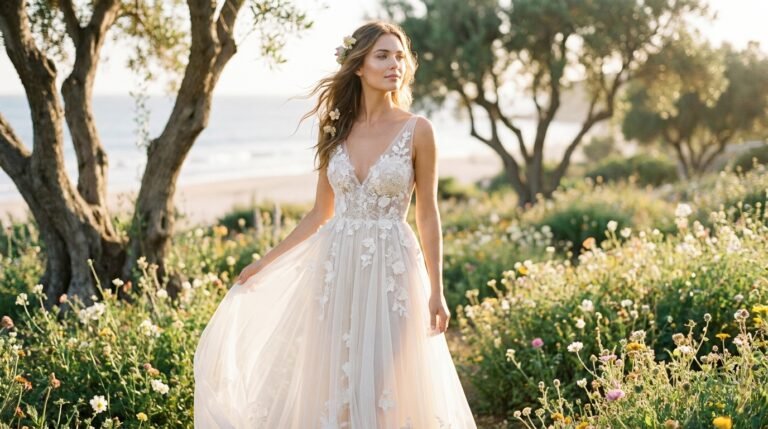
The A-line takes its name from its outline. The skirt widens steadily from the natural waist to the hem, tracing the shape of a capital letter A. Nothing about it flares suddenly.
That gradual release explains the popularity. The skirt clears the hip rather than following it, so hip and thigh measurements stop mattering to the fit. Alterations then concentrate on the bodice, which is the cheaper half of the gown to adjust.
Fabric decides the character. Stiff mikado or duchesse satin holds a crisp triangular line. Soft chiffon or crepe drapes closer to the leg and reads much gentler. The same pattern produces two very different gowns.
Mermaid and Trumpet Cuts Bring Drama and Curves
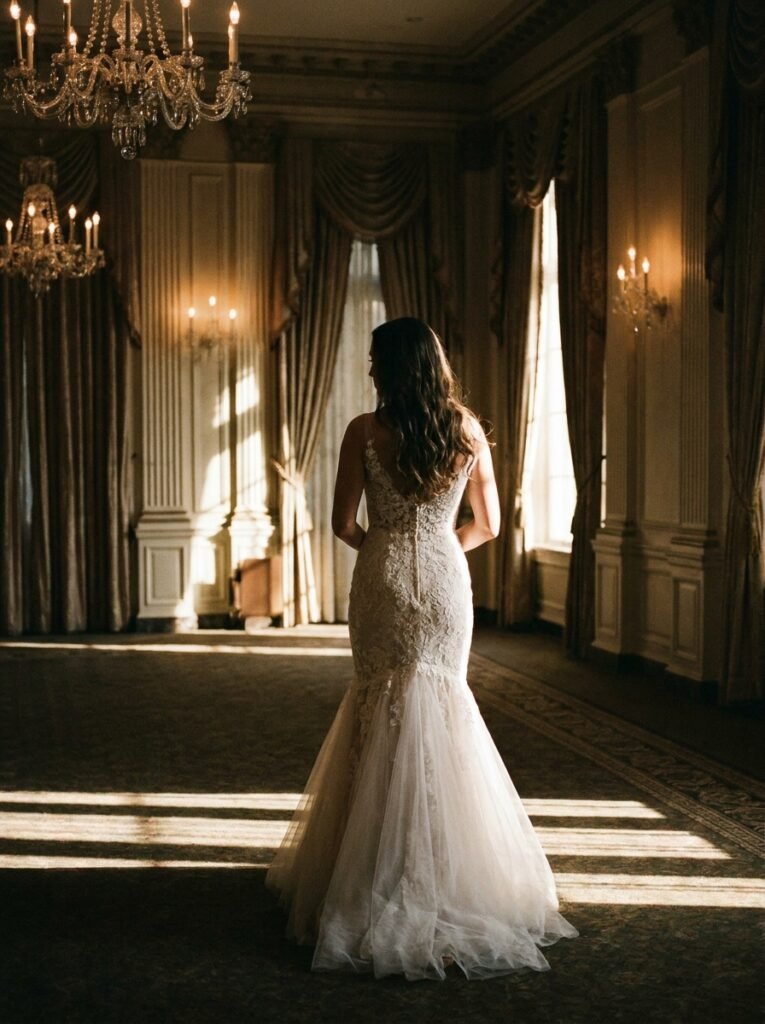
One measurement separates these two cuts. A mermaid flares at or below the knee. A trumpet flares from the mid-thigh. Everything else about them is similar.
The flare point sets the stride. A mermaid that releases below the knee restricts the step to a few inches, which matters on stairs and in a first dance. A trumpet releases higher and moves far more freely.
Fittings should include the awkward tests. Sitting down, climbing three stairs, and getting into a car reveal more than standing on a pedestal does. Some designers add a hidden slit or a stretch panel to solve the problem before it arrives.
Ball Gown Magic Never Loses Its Appeal
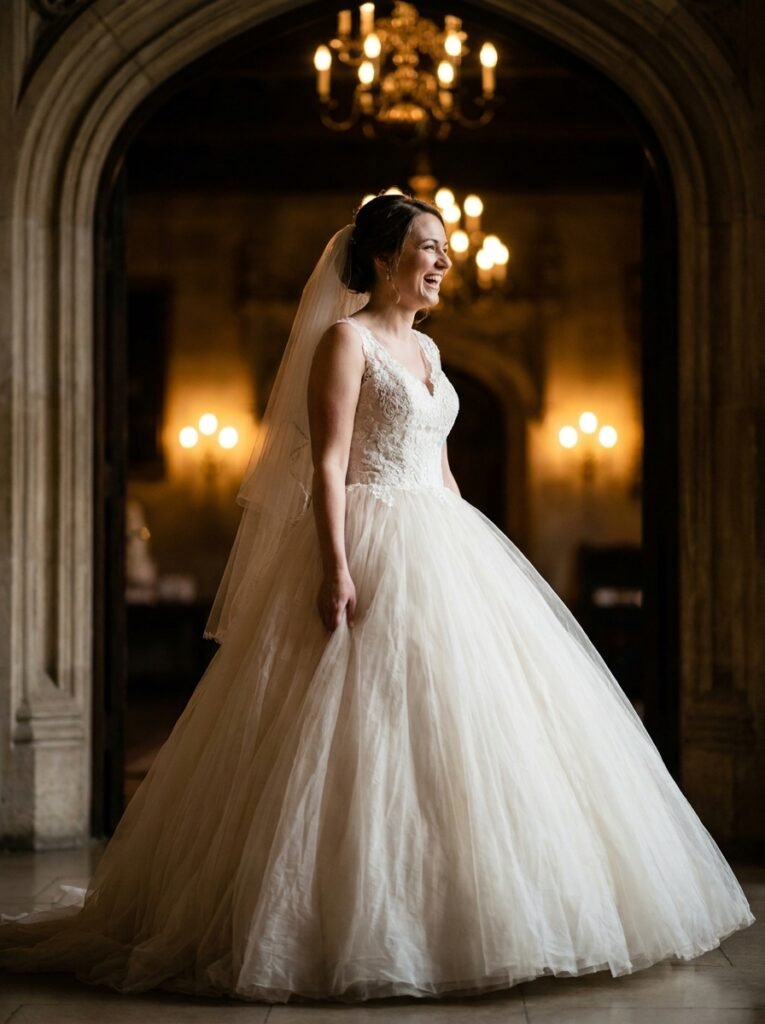
The visible skirt of a ball gown is not what creates its shape. The structure underneath does that work. A crinoline, a hoop, or several layers of stiff netting hold the silhouette out from the body.
Weight follows from that structure. A fully constructed ball gown can weigh several kilograms before any train is added. Wearers notice it after the third hour rather than the first.
Logistics deserve a thought in advance. Car doors, narrow aisles, and bathroom cubicles all become negotiations. A bustle is essential rather than optional, and someone in the wedding party needs to learn how to fasten it before the day.
The Elegant Sheath Dress for Minimalist Brides
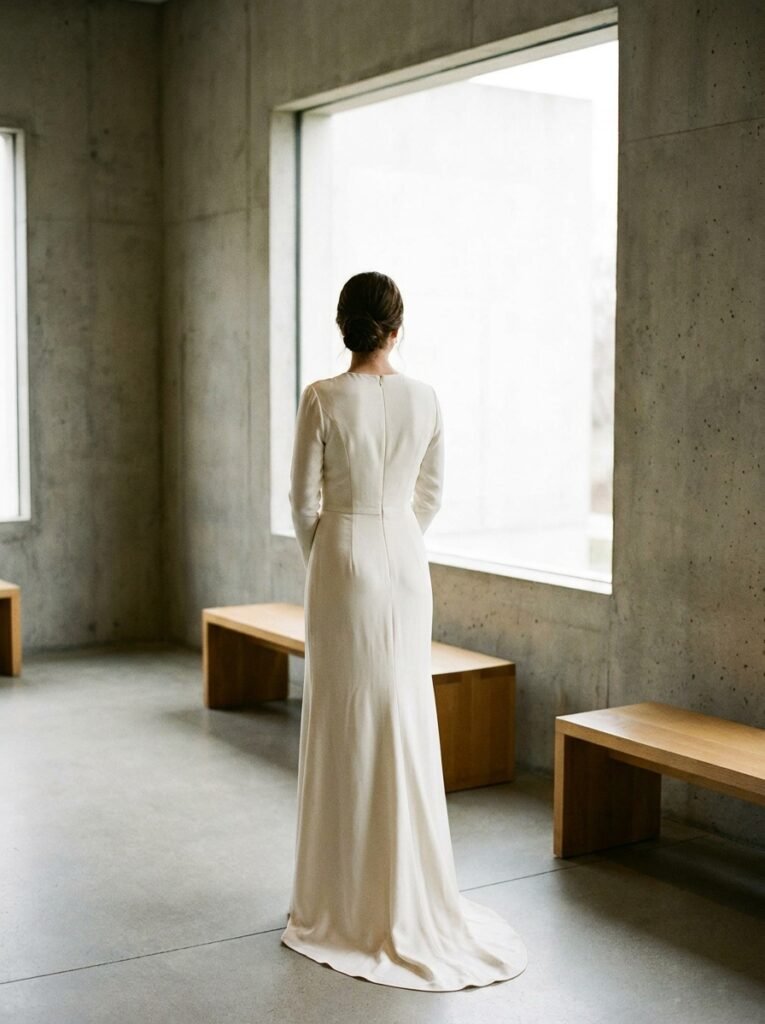
A sheath runs straight from shoulder to hem without flaring anywhere. That makes it the least forgiving silhouette on the list, and the most dependent on tailoring.
Fabric weight carries the result. Heavy crepe skims the body and hides the seams beneath it. Thin satin clings and shows every line underneath, including the lining and the undergarments. The choice of lining matters as much as the outer fabric.
Movement is the compensation. A sheath allows a full stride and a normal seated position, which few fitted gowns manage. That practicality suits registry offices, small ceremonies, and long receptions equally well.
Empire Waist Elegance for Comfort and Grace
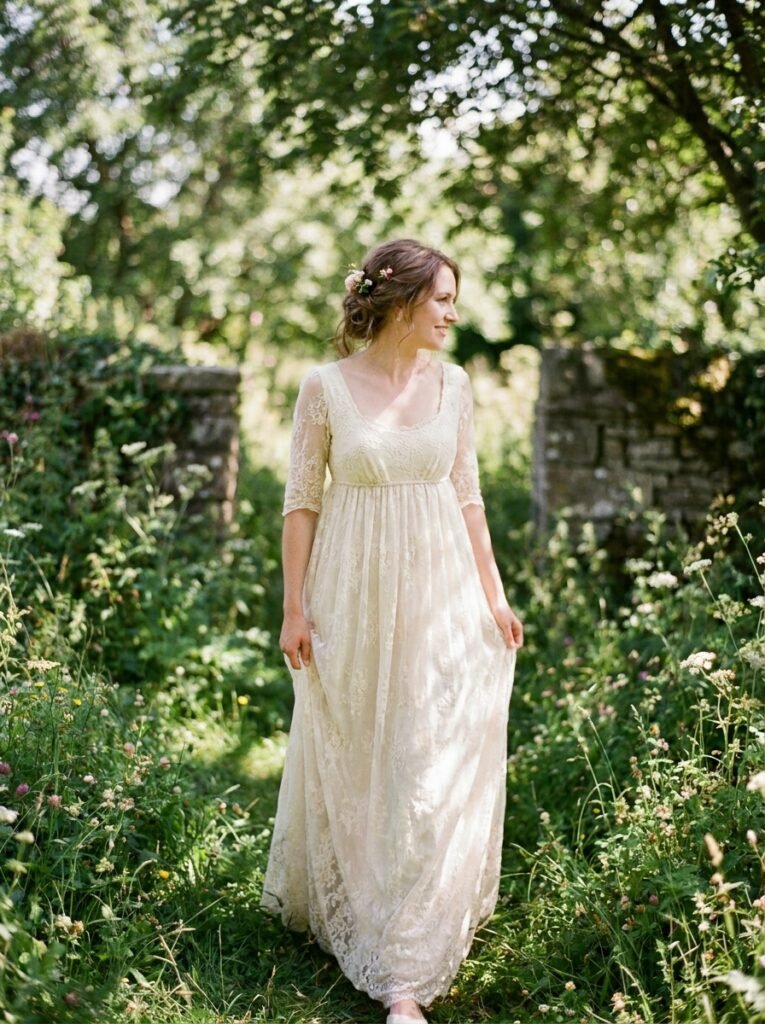
The empire waist moves the seam upward, so it sits directly under the bust rather than at the natural waist. Everything below that seam falls free.
The whole gown then depends on one seam. Placed correctly, it lengthens the line beneath and skims the midsection entirely. Placed a couple of centimetres too low, it creates a visible band across the ribs and adds bulk where it meant to remove it. That seam is where fitting time belongs.
The cut dates from the Regency period and returns regularly. It suits pregnant brides for an obvious structural reason: the release point sits above the bump rather than across it.
Fit and Flare Creates Feminine Movement

Fit and flare sits between the A-line and the trumpet. The bodice follows the body to the high hip, then the skirt releases. The result keeps definition at the waist without gripping the thigh.
The label causes genuine confusion, because designers apply it inconsistently. One house calls a dress fit and flare while another calls the same shape a trumpet. Asking where the flare begins settles the question faster than reading the tag.
The compromise works well for long receptions. The silhouette photographs as fitted while still allowing a full step, which is why it appears so often on dance floors.
Two-Piece Wedding Sets Make a Modern Statement
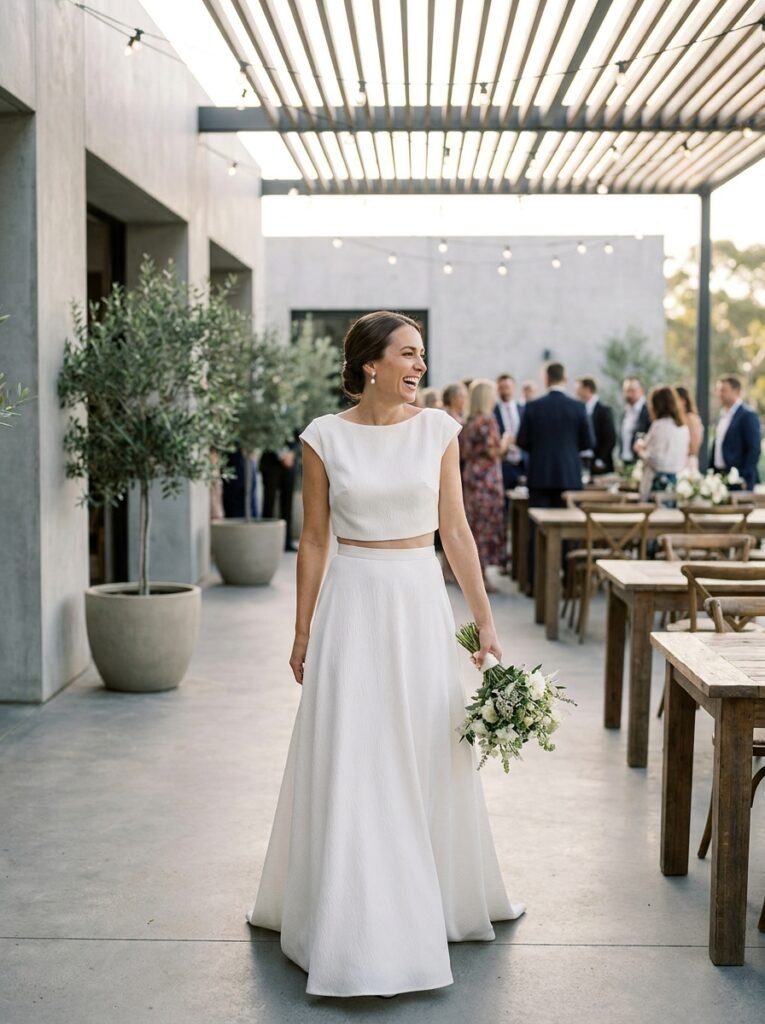
The real advantage of a two-piece set is unglamorous and worth knowing. Top and skirt come in separate sizes. Anyone whose measurements fall into different size brackets above and below the waist saves considerably on alterations.
Waistband placement then decides everything. A high band that meets the top cleanly reads as a gown. A band sitting even slightly low opens a gap that widens whenever the arms lift. Raising both arms during the fitting exposes that problem immediately.
Separates also allow a second look later in the evening. Swapping a full skirt for something shorter changes the whole outfit without changing out of it entirely.
Cape Gowns Bring Dramatic Glamour
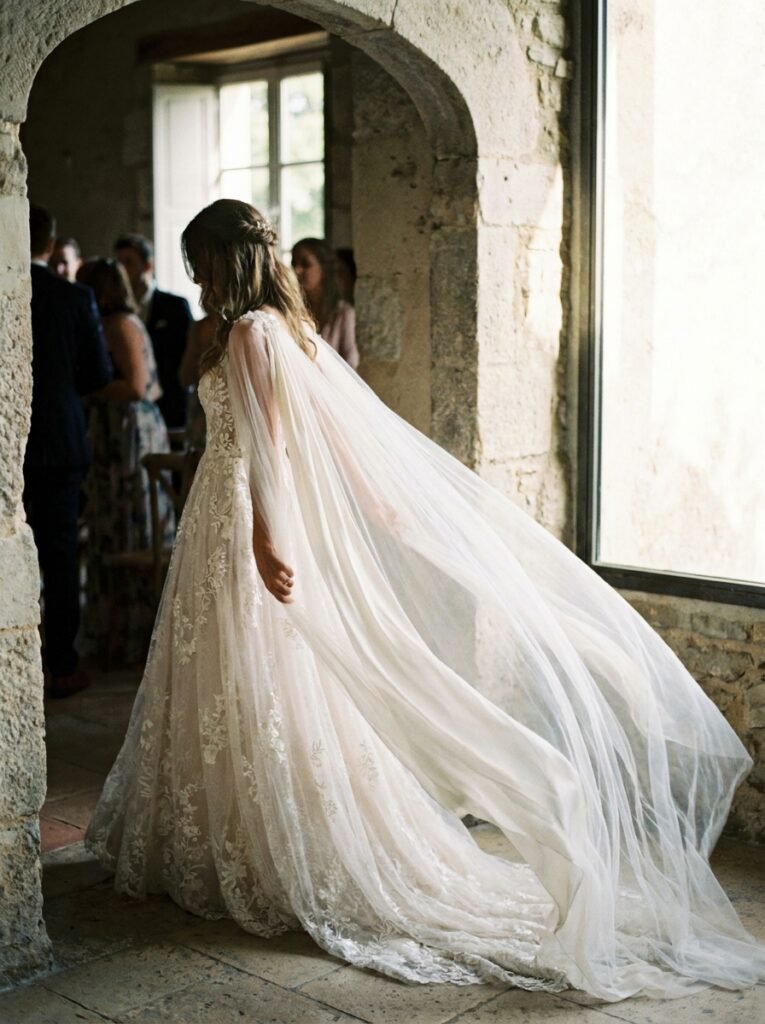
Capes attach in three main ways. Some clip at the shoulder seams, some button into the neckline, and some are sewn into the gown permanently. Only the first two come off.
Detachable versions effectively buy two looks for one purchase. The cape carries the ceremony, then leaves before dinner. Many brides find that easier than a full second outfit.
Outdoor ceremonies need a wind conversation. A long sheer cape catches even a light breeze and can wrap around the face during vows. Weighted hems and heavier fabrics both solve it, and either is worth raising with the boutique.
High-Low Hemlines Offer Practical Elegance
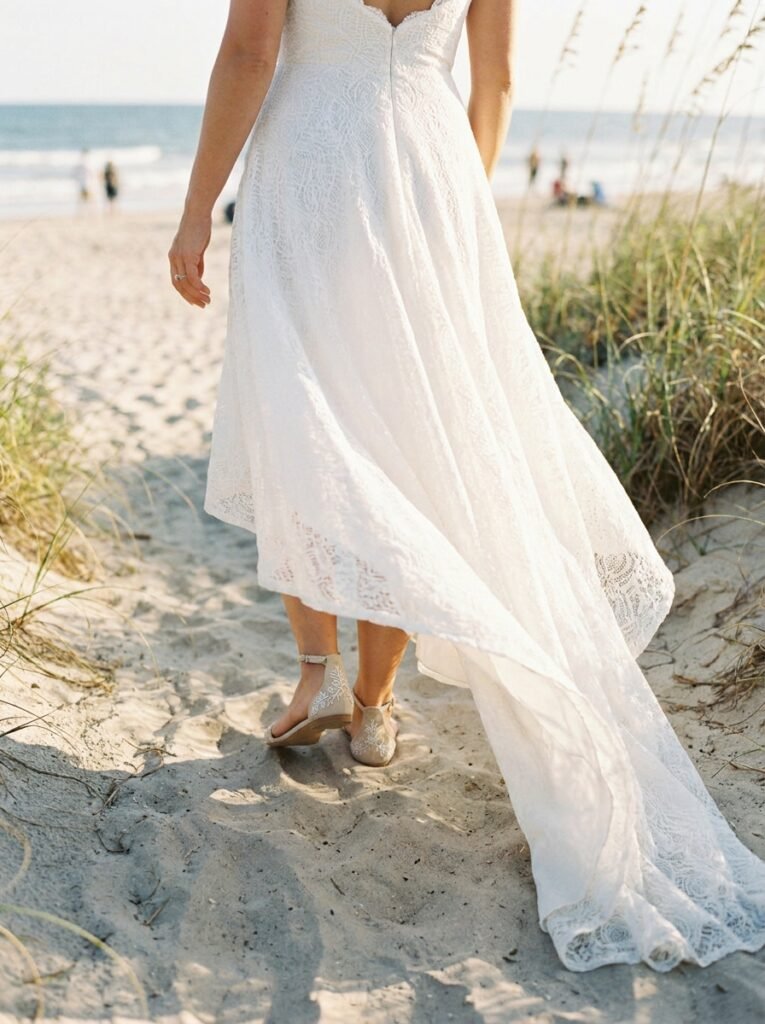
A high-low hem sits shorter at the front and longer at the back. The transition point on each side is what makes it look designed or accidental.
Two details tend to get missed. The lining must follow the same curve as the outer layer, or a straight edge shows through at every step. Shoes also stop being optional, since the front hem puts them permanently on display.
Terrain justifies the choice more than fashion does. Sand, grass, and gravel all punish a full-length hem. This selection of summer wedding dresses covers more gowns built for outdoor conditions.
Off-Shoulder Romance and Timeless Elegance
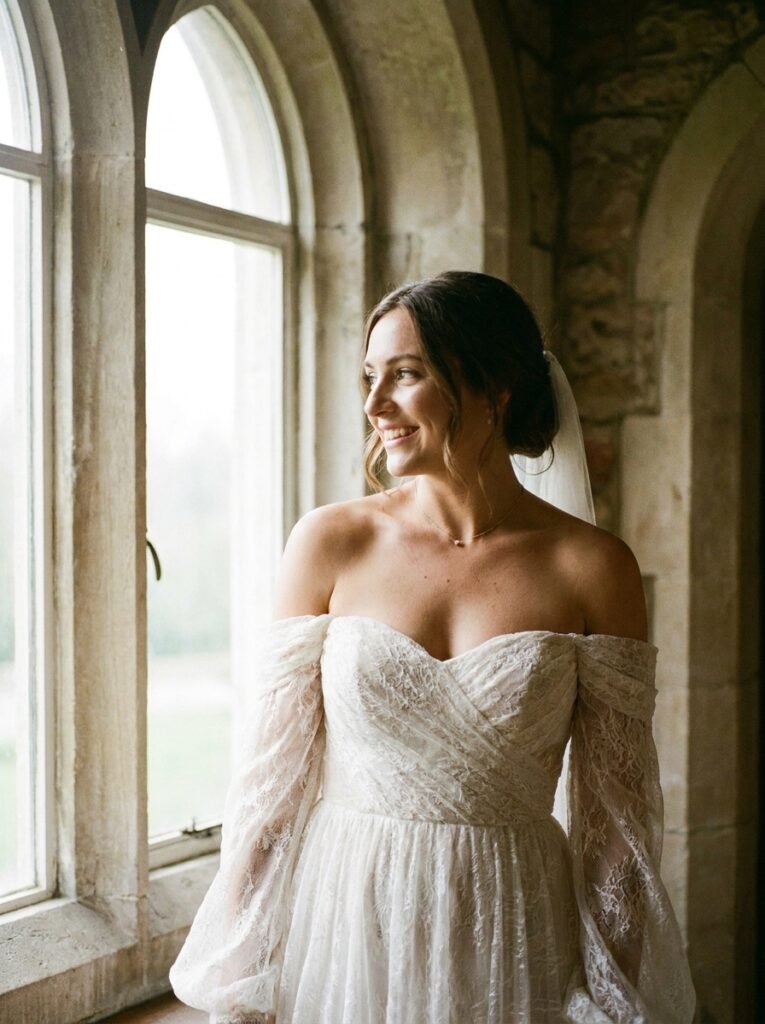
An off-shoulder neckline removes the shoulders from the equation. Nothing holds the dress up from above, so the bodice has to do all of it.
Internal structure becomes the deciding factor. Boning, a built-in corset, or a firm horizontal band keeps the gown in place. Without one of those, the whole bodice migrates downward across an evening.
Arm movement is the trade-off nobody mentions in the shop. A band across the upper arms limits how far the arms lift, which affects hugging guests and raising them on the dance floor. Lifting both arms fully during the fitting is the honest test. Softer draped versions restrict less than structured bands.
Lace Overlays and Intricate Details Stand the Test of Time
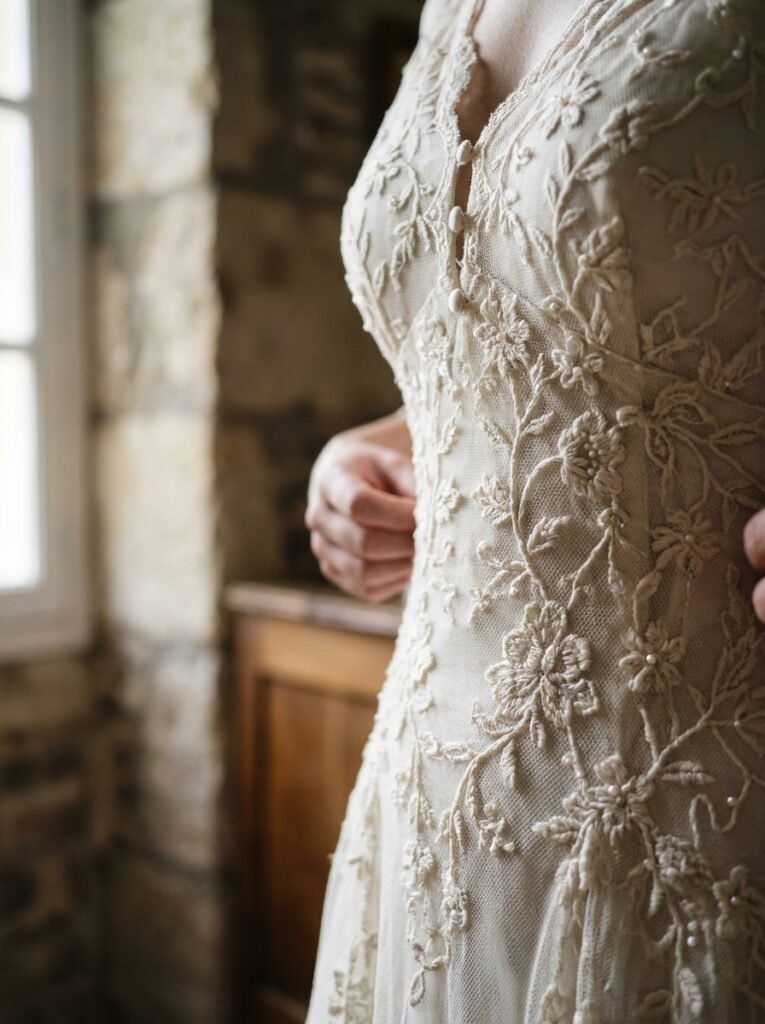
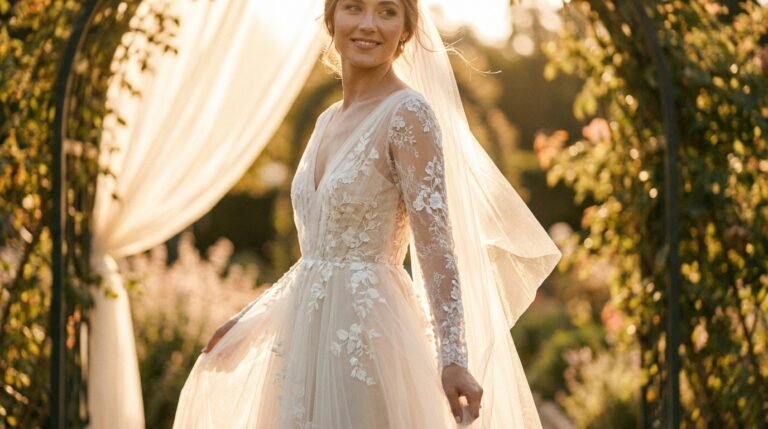
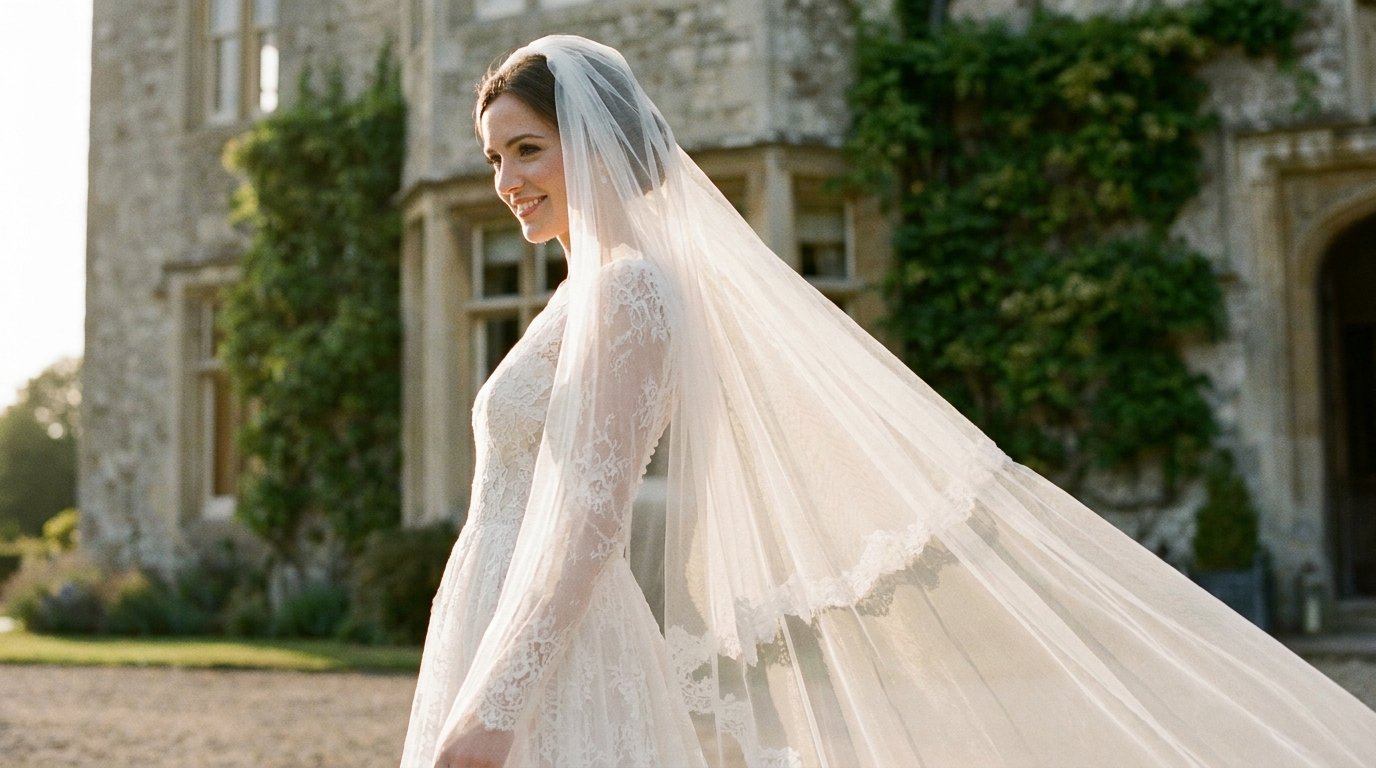
Lace divides into two useful categories. Some laces sit on a fine net ground, which stays almost invisible against skin. Others have no ground at all, with the motifs joined directly to each other, and those feel heavier and read bolder.
Corded outlines raise the pattern off the surface and catch light. Flat laces stay quieter. Most gowns also use the scalloped border along a hem, a neckline, or the edge of a train, which is why that border commands a premium.
Placement is where good work shows. Skilled seamstresses cut motifs apart and rejoin them so the pattern flows across a seam rather than stopping at it. That labour explains much of the price difference between two gowns in similar fabric.
Lace also carries the reason white became standard. The V&A notes that Queen Victoria’s 1840 choice was partly economic, since she selected handmade Honiton lace to support artisans losing work to machine textiles, and white showed it best. More lace-led gowns appear in this guide to romantic wedding dress ideas.
Minimalist Modern Design Proves Simple is Stunning
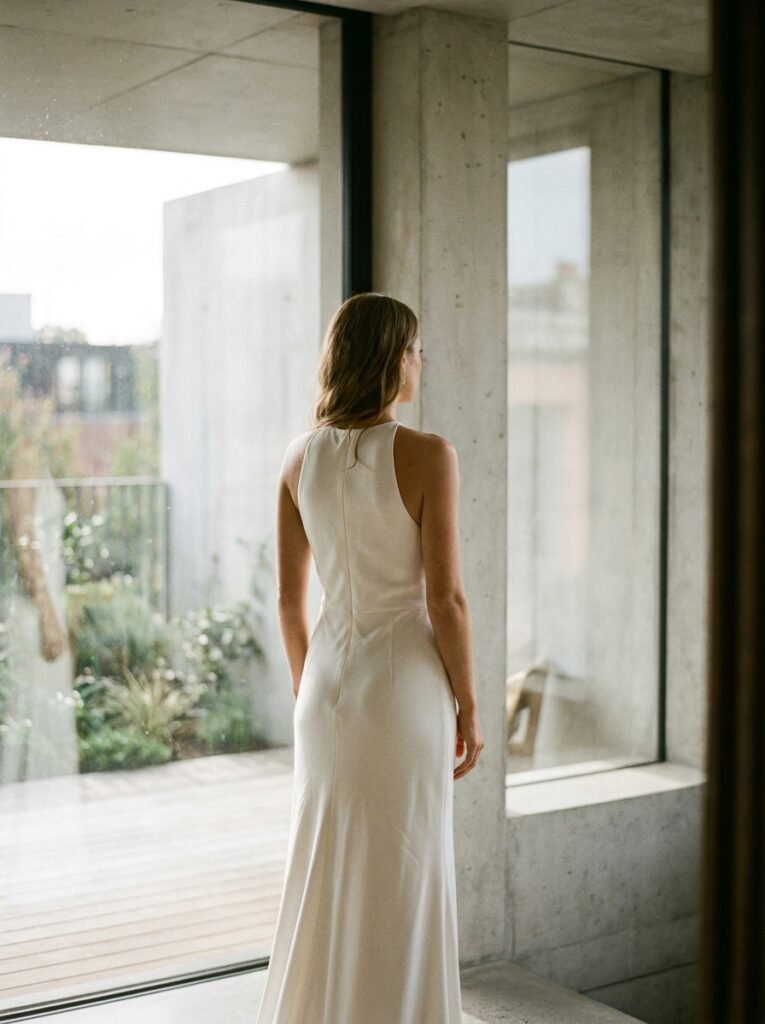
Minimalist gowns cost less to make and often more to finish. Removing embellishment removes everything that hides an imperfect fit.
Seams become the decoration. Their placement, their straightness, and how flat they press all show plainly on an unadorned surface. Heavy crepe, mikado, and double-faced satin hold those lines. Lightweight fabrics ripple at every seam instead.
Alteration budgets should reflect that. A plain gown usually needs more fitting appointments than a beaded one, not fewer, because there is nothing to distract from a line that sits slightly wrong.
The Importance of Finding Your Personal Style
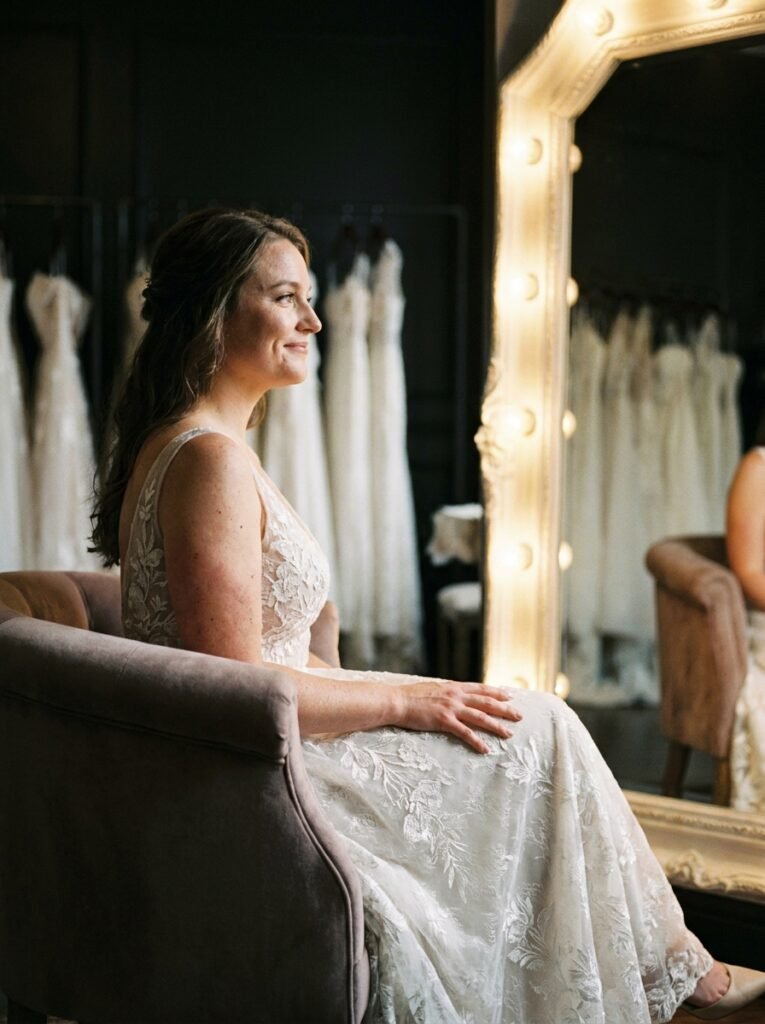
Sample sizes complicate every appointment. Most boutiques stock a narrow range, so gowns get clipped at the back to approximate a fit. That clip changes how the front hangs, and brides routinely dismiss a silhouette that would suit them properly made.
A consistent test cuts through it. Sit down, walk across the room, raise both arms, and turn to see the back. A gown that passes all four in a clipped sample will pass them in the real size.
Budgets need a line for alterations. Bridal alterations frequently add a meaningful percentage to the gown price, and hems, bustles, and bodice adjustments are near-universal rather than exceptional.
Final Thoughts
Every silhouette above answers the same question differently. Where does the fabric leave the body? Answer that, and the vocabulary sorts itself out.
The rest is detail rather than structure. Lace, capes, necklines, and hems all attach to a silhouette without changing it. Choosing the shape first and the decoration second keeps the process manageable.
Timeless wedding dress styles endure because they solve problems rather than follow seasons. A gown that allows its wearer to sit, move, and breathe comfortably tends to look right in photographs decades later, which is most of what timeless means in practice.
Frequently Asked Questions
Which silhouette suits the widest range of bodies? The A-line, for a structural reason rather than a flattering one. Its skirt clears the hip instead of following it, so hip and thigh measurements stop affecting the fit. Alterations then focus on the bodice, which costs less to adjust.
What separates a mermaid from a trumpet? Only the flare point. A mermaid releases at or below the knee. A trumpet releases from the mid-thigh. That difference decides how far the wearer can step, which matters on stairs and during a first dance.
Can a modern silhouette count among timeless wedding dress styles? Yes. Two-piece sets, minimalist gowns, and high-low hems all rest on construction logic rather than seasonal detail. Shapes date when they depend on a passing trim or proportion, not when they solve a practical problem.
Do plain gowns need fewer alterations? Usually more. Embellishment hides small fitting errors, and a bare surface hides nothing. Seam placement shows plainly on an unadorned gown, so extra fitting appointments are worth budgeting for.
How should a gown be tested in the fitting room? Sitting, walking, raising both arms, and turning to check the back. Boutique samples are clipped to approximate a size, which distorts the hang. A silhouette that passes those four tests in a sample will hold up once made properly.