
The Biggest Home Decor Trends to Watch This Year
Trend lists rarely mention the cost of changing your mind. That cost varies enormously, and it is the most useful thing to know before adopting anything.
Some of these trends are techniques. They cost nothing to try and nothing to abandon. Others are furniture, and furniture is the most expensive decorating decision to reverse.
The biggest home decor trends of the year appear below with that assessment attached. What each one is, how long it is likely to last, and what walking it back would involve.
The Modern Cottage Look

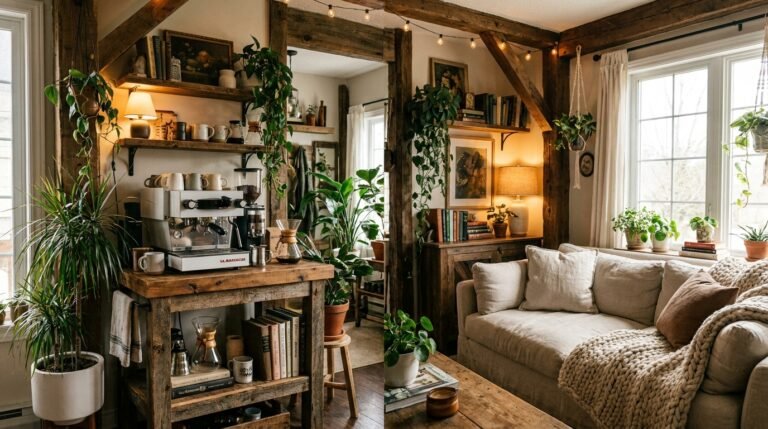
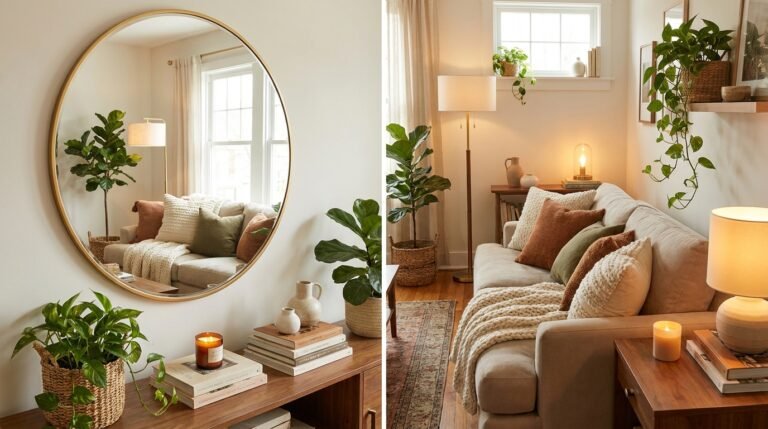
Modern cottage is a softening of modern farmhouse rather than a replacement for it. Clean lines stay, and warmth, age, and character arrive on top.
That makes the exit cost close to zero. The shift happens through textiles, accessories, and older accent pieces, all of which move on easily.
It is also worth some scepticism about the framing. Commentators have declared farmhouse finished several times, and it keeps persisting. These styles evolve rather than expire.
Rich, Moody Color Palettes

Paint is the cheapest commitment in the house. A room costs a weekend and the price of materials, which is why colour trends move faster than anything else.
Dark colours break that symmetry, though. Going dark takes two coats. Coming back to pale takes a stain-blocking primer and two or three more. The exit therefore costs considerably more than the entry.
Starting with a smaller surface manages that. Lower cabinets, a single wall, or a piece of furniture deliver the effect while keeping the reversal small.
Layered Warm Neutrals

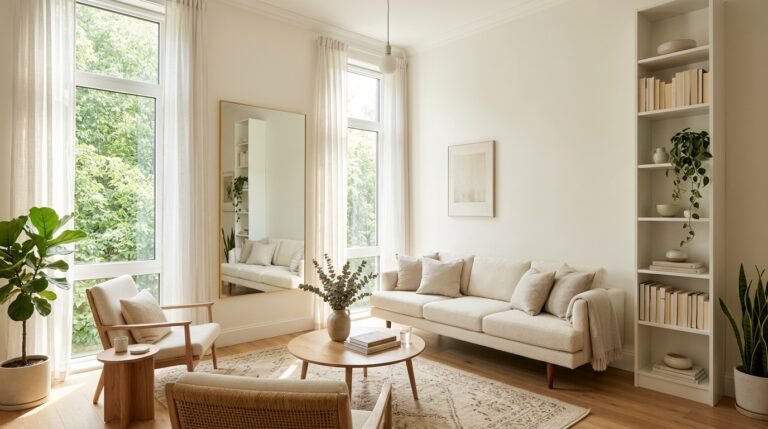
This one is not really a trend. Layering tones is a technique, and techniques do not date the way styles do.
The execution needs a visible step between the tones. Three neutrals sitting too close together read as one muddy colour. Each needs to be clearly lighter or darker than the last.
Reversal cost is nil, since nothing gets bought specifically. It is a way of arranging what a room already contains.
Curved Furniture

Curves are the most expensive item on this list to adopt and the hardest to undo. Steam-bent frames and curved upholstery patterns both cost more to manufacture, and that premium reaches the price tag.
Curved sofas also lose floor space. A rounded back cannot sit flush against a wall. The piece floats instead, taking more room than its footprint suggests.
Smaller curved items carry none of that risk. An arched mirror, a round table, or a scalloped edge delivers the same softness for a fraction of the commitment.
Pieces With a Story

This is the only entry with a negative cost. Inherited and secondhand pieces cost little or nothing, and good ones hold their value rather than losing it.
The word story does get used loosely, though. Mass-produced furniture sold pre-distressed carries no history at all. Those sanded edges came from a machine, not from decades of use.
Real wear tells the difference. Genuine patina appears where hands and feet actually touched a piece. It falls unevenly and asymmetrically. Factory distressing is spread evenly across the surface.
Patterned Fabrics and Sofas

Pattern dates faster than form. A well-shaped sofa stays current for decades, while the print on it belongs visibly to a period.
That makes a patterned sofa the riskiest purchase here. It combines the highest reversal cost with the fastest-moving variable, which is an awkward pairing.
Loose covers and cushions solve it neatly. The practical benefit still holds too, since pattern genuinely disguises the marks that plain fabric displays.
Atmospheric Wallpaper

Removal cost depends entirely on which type goes up. Traditional pasted paper needs steaming and scraping, and it often takes some plaster with it.
Peel-and-stick lifts away cleanly, but only from the right surface. It needs smooth, matte, fully cured paint underneath, and it fails on textured plaster or gloss.
Murals need measuring before ordering. They arrive as numbered panels cut to a specific wall. One more roll will not correct a measuring mistake.
Mixing Rich Textures

Another technique rather than a trend, and another with no exit cost at all.
One contrast does most of the work: fabrics that absorb light against fabrics that reflect it. Silk against velvet works for that reason, since one returns light sharply and the other swallows it.
Texture also substitutes for pattern. A room in one colour family stays interesting when the surfaces differ. This trend therefore pairs well with the neutral layering above.
The Western Aesthetic

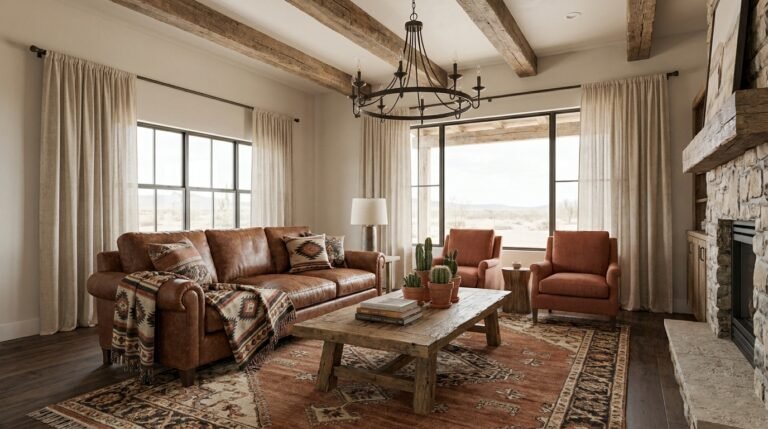
This is the shortest-lived item on the list, and its origin explains why. The western look arrived in interiors from fashion and music, and borrowed trends move on the borrowed clock.
Anything anchored to a cultural moment dates when that moment passes. Styles that emerge from how people actually live tend to last considerably longer.
Art and accessories are therefore the sensible level of commitment. A print, a leather cushion, or a woven throw carries the reference and leaves easily.
Decorative Wall Plates

Low cost in, low cost out. A few small holes are the whole reversal, which makes this the easiest trend here to experiment with.
Hanging method matters more than it sounds. Sprung wire hangers grip the rim and hold reliably. Adhesive discs depend on the glaze and release without warning, usually onto a hard floor.
Spacing follows the same rules as picture frames. Consistent gaps make a collection read as one arrangement. Uneven ones read as plates that ended up on a wall.
Defined Zones in Open Spaces

Zoning solves a structural problem rather than following a taste, which is what makes it durable. Open-plan layouts create rooms without edges, and something has to supply them.
Rugs, lighting, and furniture placement all do the job without building work. Reversal takes an afternoon of moving things.
This guide to small home decorating ideas that make a big impact covers tight and awkward layouts.
Curated, Lived-In Spaces

This is a reaction rather than an invention. A decade of minimalism produced a swing toward layering, and such swings reverse on a predictable cycle.
Knowing that suggests one piece of caution. Discarding things to look minimal was expensive last time, and buying things to look layered is expensive this time.
The test in the original advice still holds. Keep anything you would miss if it vanished. That judgement survives whichever direction the cycle turns next.
Final Thoughts
The twelve sort into three groups. Techniques cost nothing either way, which covers layered neutrals, mixed textures, and zoning. Paint and accessories sit in the middle. Furniture sits at the expensive end.
The scale of that last group is worth stating plainly. The EPA counted 12.1 million tons of furniture and furnishings in the US municipal waste stream in 2018. The 1960 figure was 2.2 million tons. Trend-driven replacement is a meaningful part of that increase.
So the biggest home decor trends are best approached from the cheap end. Try a technique first, then paint, then accessories. Furniture last, and only for shapes that will still make sense in ten years.
Frequently Asked Questions
What is the biggest home decor trend this year?
Modern cottage leads, though it is a softening of modern farmhouse rather than a replacement. That matters practically, because existing pieces carry over and the change happens through textiles and accessories.
Are light and airy interiors still in style?
Darker, grounded palettes are ahead at the moment. Worth knowing before committing. Going dark takes two coats. Returning to pale needs a stain-blocking primer and two or three more.
What colors are trending in home decor this year?
Rich, moody tones layered over several warm neutrals. The layering half is the durable part. Arranging three distinct tones is a technique rather than a fashion, and it costs nothing to abandon.
How can I follow these trends on a budget?
Start with the ones that cost nothing. Layering neutrals, mixing textures, and zoning with existing furniture need no purchase. Wall plates and cushions come next, and furniture last.
Is patterned furniture really back in style?
Yes, and it carries the most risk on this list. Pattern dates faster than shape, so a patterned sofa pairs the fastest-moving variable with the highest reversal cost. Loose covers achieve the look with an exit.