12 Versatile Outfit Combinations for Casual to Chic Style
A capsule of twelve pieces that only work for one setting each is not much of a capsule. A handful of pieces that shift between a school run and a dinner reservation is worth far more closet space. That shift usually comes down to one or two smart swaps. It rarely needs a second outfit, and it saves both closet space and money over time.
The idea behind casual to chic dressing is simple. You build a base look for running errands. Then you change one or two elements. A jacket, a shoe, a piece of jewelry changes how the whole outfit reads. You are not packing a spare outfit. You are packing the two or three pieces that do the actual work.
What actually makes an outfit transition well
Not every combination flexes. Fit, fabric and color do most of the work before styling even enters the picture.
A slightly structured shoulder reads as put together, even in casual fabric. That is why a blazer over a tee works so well. Stiff or heavy fabrics resist dressing up. Raw denim and thick knits are the usual culprits. Fluid fabrics cross over more easily. Think crepe, silk blends and fine wool. Neutral and muted tones also swap accessories more easily than loud prints. The print itself tends to become the whole focal point, no matter what you add around it. A fitted waist or a defined shoulder line also reads as more finished than a boxy, shapeless silhouette. That holds regardless of the fabric underneath.
The blazer over everything trick
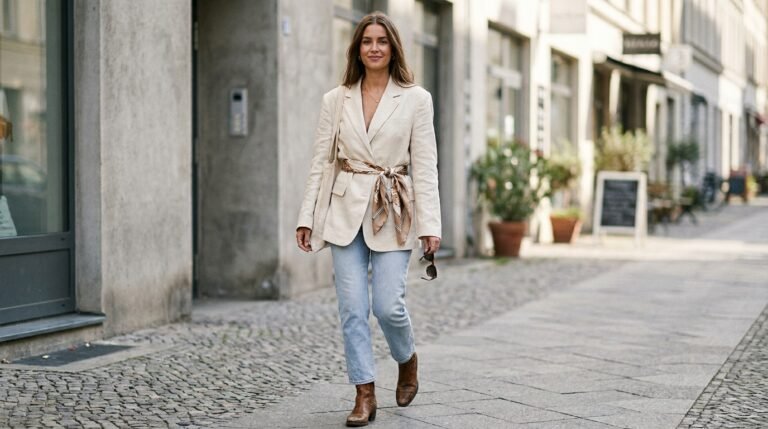
A blazer is the fastest way to move a casual outfit toward chic. It adds a defined shoulder line and closes the neckline. Both read as intentional rather than thrown together.
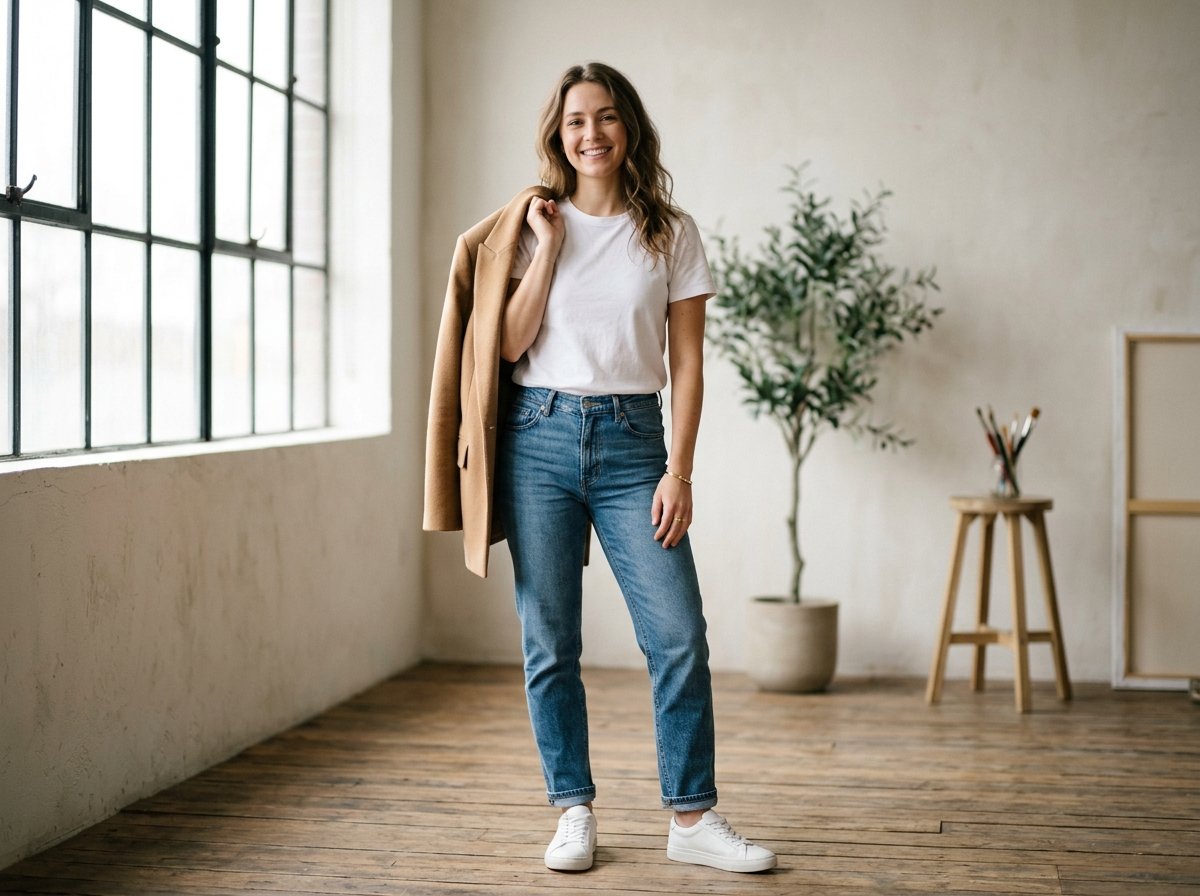
Wear jeans and a plain tee with sneakers for daytime. Add the blazer for the evening version. Swap the sneakers for loafers or low heels too. The same outfit now works for a client lunch or a night out. Keep one blazer in a neutral color, navy, camel or black. It will pair with nearly everything already in your closet.
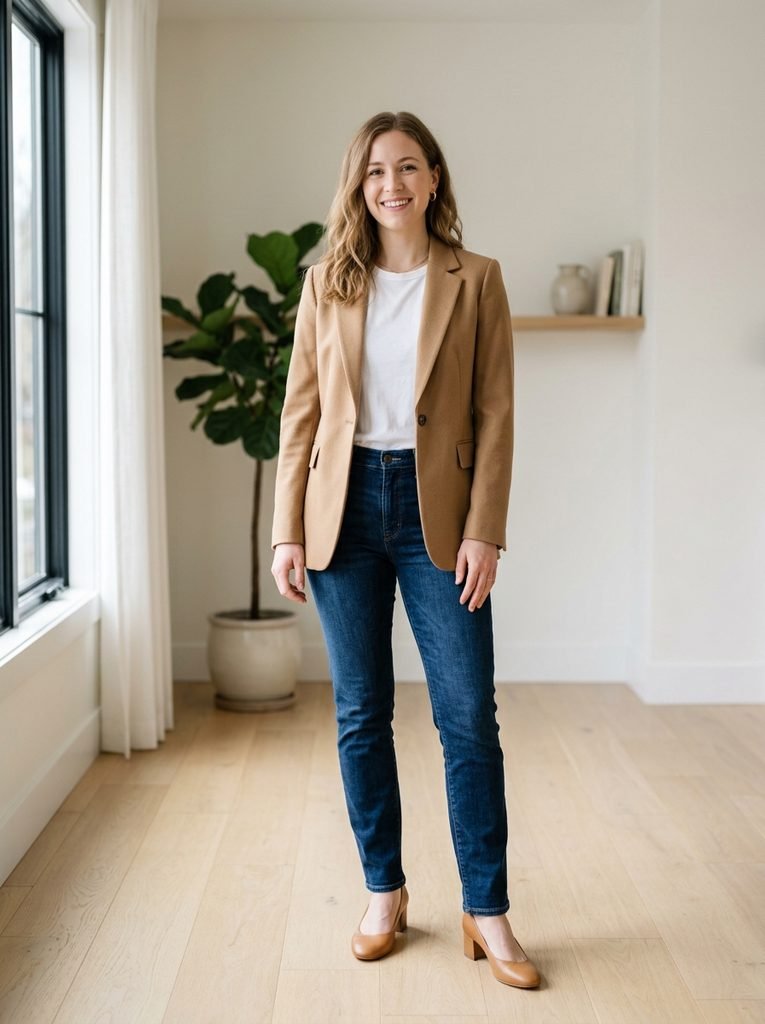
Jeans and a well made top
Good jeans paired with a genuinely nice top outlast almost any trend. The jeans stay constant. The top, and the styling around it, do the transitioning.
For daytime, choose a relaxed top, sneakers and minimal jewelry. For evening, keep the same jeans. Swap in a silk or satin top, heeled sandals and a stack of jewelry. The fit of the jeans matters more than the wash here. A straight or slightly tapered leg photographs better dressed up than a very distressed or baggy cut.
The shirt dress as a reset button
A shirt dress earns its keep because it already has structure built in. You are not building a look from separate pieces. The transition happens through footwear and layering alone.
Roll the sleeves and add sneakers with a canvas tote for a casual daytime version. For evening, unroll the sleeves. Cinch a thin belt at the waist and add heels. Choose a shirt dress in a mid weight cotton or a cotton blend. It holds its shape through both looks without wrinkling too fast.
Tailored trousers, styled two ways
Tailored trousers flex more than most people expect. Part of that comes from the tailoring itself, which already signals effort.
Pair them with a soft knit and flat mules by day. For evening, swap the knit for a silk or satin camisole and add heels. The trouser does the heavy lifting both times. A neutral, slightly cropped or straight leg pairs with more tops than a wide leg does. That makes it the safer first pair to invest in.
One well chosen dress
A single well cut dress covers more ground than most people give it credit for. Black or another versatile neutral works best. The fabric and cut carry the daytime version. Accessories carry the evening one.
Add a denim jacket and flat sandals for a casual daytime look. For evening, swap in heels, a structured bag and a few pieces of jewelry. If you want to see just how far one dress can stretch, we have a full guide to it. It covers styling one dress twelve different ways, well beyond a single day to night swap.
Layering with a cardigan
A cardigan is a quieter version of the blazer trick. It is useful on days when a blazer feels like too much.
Over a tee and jeans, a cardigan reads casual and comfortable. Over a slip dress or a blouse, the same silhouette reads considered rather than accidental. A fine gauge knit in a solid color layers more cleanly than a chunky one. Heavily textured knits can bulk up under a jacket later.
The midi skirt combination
A midi skirt sits in an unusual spot. It is dressier than jeans by default, but flexible enough to pull toward casual with the right top and shoe.
Pair it with a fitted tee and sneakers for a relaxed daytime look. For evening, swap in a fitted blouse and heels. The result reads considerably more polished. A-line and slightly flared midi skirts move more easily than pencil cuts. A fitted pencil skirt already reads formal, no matter what sits on top.
The sneaker to heel swap
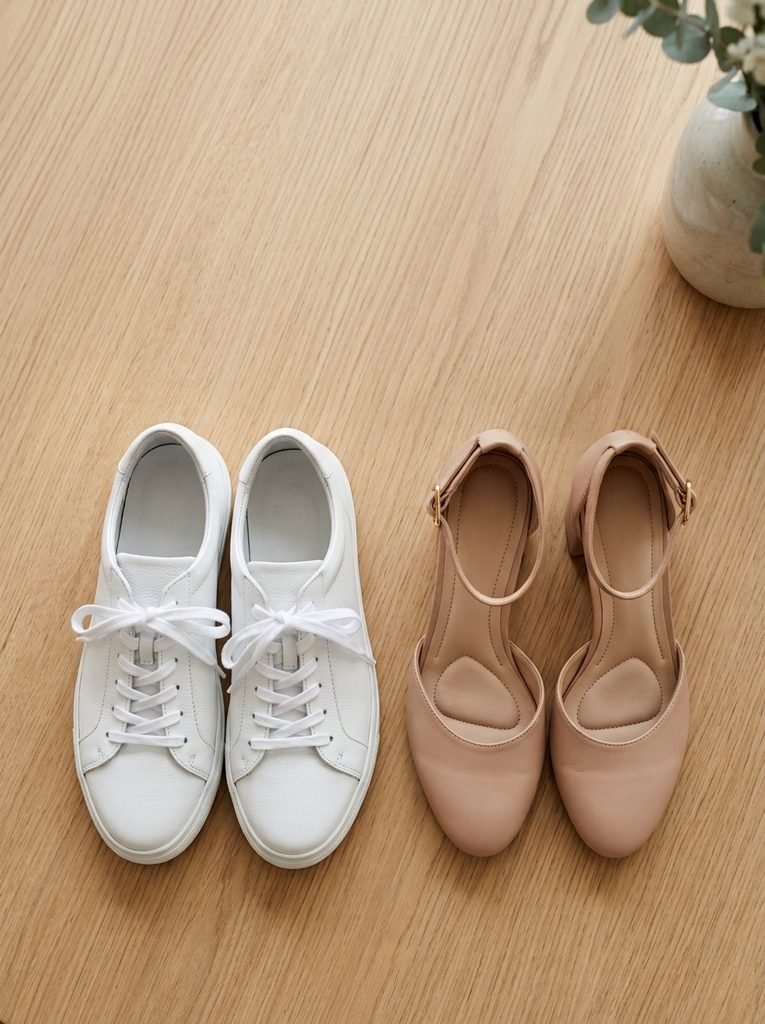
Sometimes the outfit does not change at all. Only the shoes do.
Wear a dress, jumpsuit or trouser set with clean white or neutral sneakers for a daytime errand run. Swap in heels, and the same outfit reads noticeably more dressed up. Nothing else has to change. This works best when the rest of the outfit is already fairly simple. Busy prints or heavy layering can fight with the shoe swap.
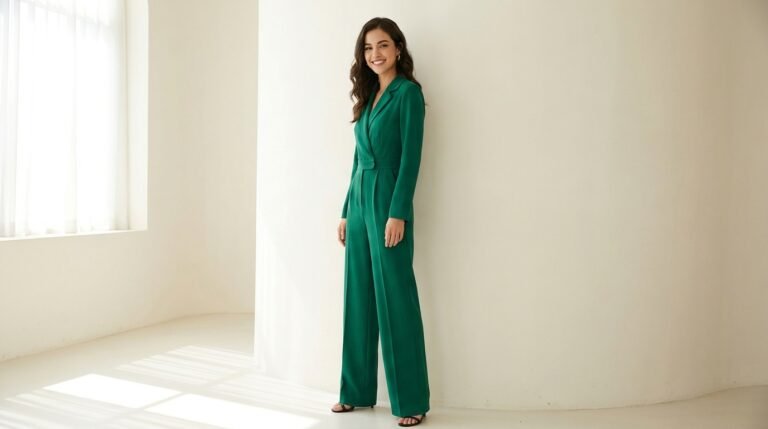
The jumpsuit as a one piece solution
A jumpsuit solves the matching problem entirely. The top and bottom are already coordinated.
Style it with sneakers and a denim jacket for daytime comfort. For evening, add heels, a clutch and statement earrings. The cut of the jumpsuit itself carries most of the polish. Look for one with a defined waist. A boxy cut can read sloppy once you remove the casual layers around it.
Accessorizing for versatility
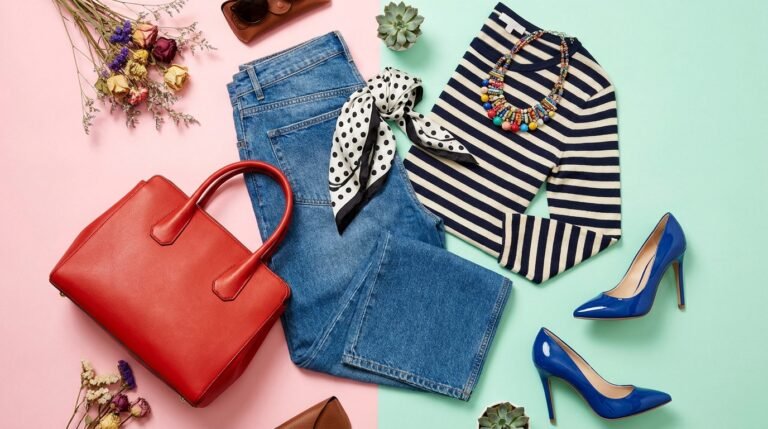
Accessories are the cheapest and fastest way to shift a look. That makes them worth planning around, not just adding as an afterthought.
Keep a daytime look simple. A crossbody bag, small studs, maybe a watch, is enough. For evening, swap to a structured bag and drop earrings. Add one or two more pieces of jewelry. A single statement necklace or a bold pair of earrings usually does more work than several small pieces layered together.
The denim jacket as a softening layer
A denim jacket usually adds casual energy to an outfit. It works just as well in reverse. It can soften something that reads too formal on its own.
Thrown over a slip dress or tailored trousers, it takes the edge off a dressier look for daytime wear. Remove it for evening. The dress or trousers underneath carry the look on their own. A cropped or slightly fitted denim jacket layers more cleanly under a blazer later than an oversized one does.
Common mistakes that break the transition
A few habits quietly undercut casual to chic dressing before it gets started.
Changing too many elements at once is the most common one. Swap the shoes, the jacket and the bag all together, and you have built a second full outfit. That defeats the point. Ignoring fabric weight is another mistake. A heavy cable knit or a stiff canvas piece rarely reads as dressed up. That holds true no matter what shoe or accessory sits next to it. Skipping fit checks matters too. A blazer or trouser that fits loosely in the shoulder or waist looks unfinished in photos. That holds even when the concept behind the outfit is right. Carrying the wrong bag undercuts the whole effort as well. A backpack or an oversized tote reads casual even under a blazer and heels.
Caring for pieces that do double duty
Pieces that get worn twice as often need a bit more attention than a single occasion outfit. Read the care label before cleaning a blazer, tailored trouser or silk top. These fabrics often need gentler washing or drycleaning than a plain cotton tee.
Steam rather than iron directly on wool blends and structured jackets. Direct heat can flatten the fabric over time. Rotate two or three go to pieces instead of relying on just one. That way nothing wears out from repeated use in the same week.
Building your own transition formula
The real shortcut is having a formula you repeat without thinking about it each morning. A structured top with relaxed bottoms works. So does a relaxed top with a structured bottom. Add one shoe swap on top of either, and you cover most casual to chic situations without any new shopping. Write your own formula down once you find it. It saves real decision making time on busy mornings.
If low effort dressing matters more to you than a full day to night wardrobe, we cover that separately. Our guide to easy, put together outfit formulas goes deeper. For the actual pieces worth investing in first, start with our breakdown of fashion staples that hold up over time.
Frequently asked questions
How do I make a casual outfit look chic fast?
Add one structured piece, like a blazer, a fitted jacket or heels. Remove one casual signal, like a graphic tee or worn sneakers. The fastest change is almost always the shoes. They shift the whole read of an outfit in seconds.
What are the most versatile wardrobe pieces?
A neutral blazer, well fitted trousers and one dress in a versatile color cover the most ground. A denim jacket and a cardigan round out the list. Both work as a casual layer or as a softening one over something dressier.
Can accessories alone change an outfit’s whole feel?
Yes, within limits. Swap a crossbody bag for a structured one, or small studs for statement earrings, and the tone shifts noticeably. Accessories cannot fix a fit problem or the wrong fabric weight on their own.
Do I need to buy new clothes for this to work?
Usually not. Most closets already have a blazer, a pair of jeans and a dress. Usually at least one of those already flexes between casual and dressed up. The gap is more often in styling than in shopping.
How many outfit formulas do I actually need?
Two or three is plenty for most weeks. One built around a dress, one around trousers and one around jeans covers nearly every occasion that comes up. You will not need to plan outfits from scratch each time.