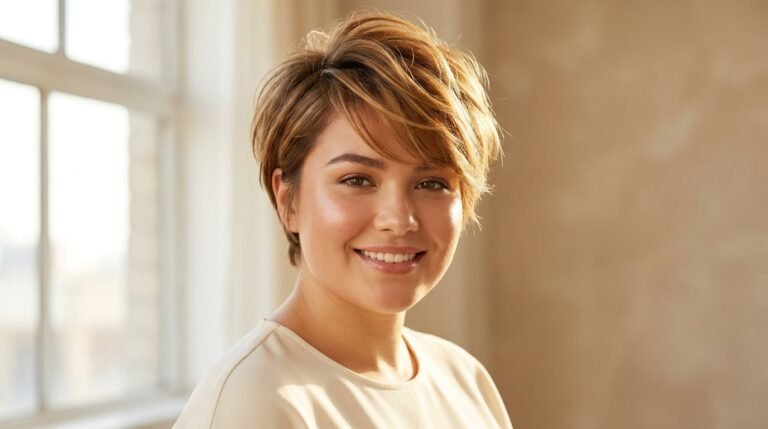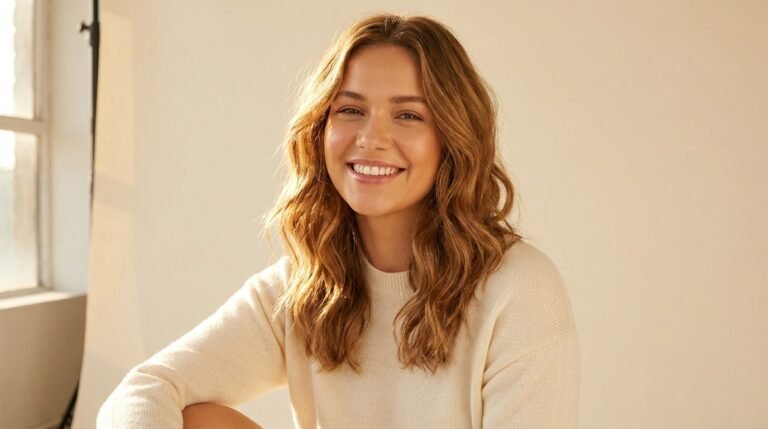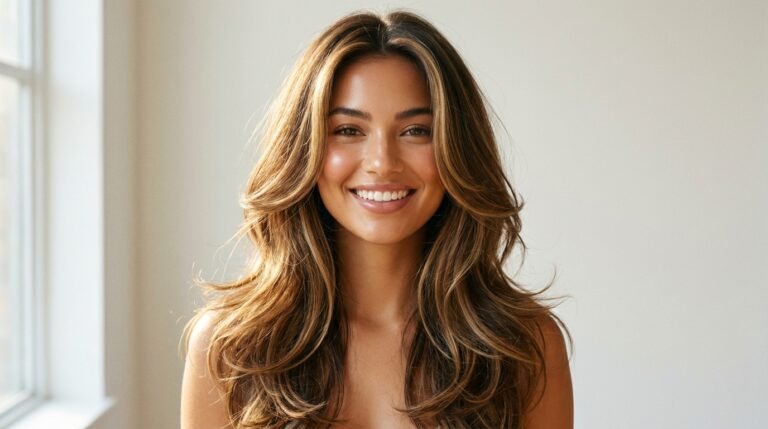

Stunning Hairstyles for Every Hair Type
Most hair type guides sort people into four boxes and stop there. Straight, wavy, curly, coily. Pick just one, done. Real hair rarely sits that neatly inside a single label. Two people can both call themselves curly and still need entirely different cuts and products. The styles that actually work depend on more than the box you check, and most guides skip that part entirely.
What matters more is how your hair behaves once it dries on its own, with nothing done to it. That behavior tells you far more than any label on a product bottle ever could. It points you toward cuts and styles that will actually cooperate well on an ordinary rushed morning. A salon chair, under good lighting and a stylist’s hands, is not a fair test of that.
Every hair type looks best in a cut that works with its natural pattern rather than against it. Straight hair suits sleek, clean lines. Wavy hair suits movement and texture. Curly and coily hair both suit cuts built around shrinkage and shape, not length measured while the hair is pulled straight and stretched flat.
Figure out your texture family first
Wet hair tells you almost nothing useful. Dry, undisturbed hair tells you nearly everything you need to know. Let it air dry with no product and no brush anywhere near it. Then look closely at what it actually does on its own, without any help from you.
Straight hair falls flat with no bend at all. That holds true no matter how it is parted or brushed afterward. Wavy hair forms a loose, open S shape instead. It is usually more visible toward the ends than up near the root. Curly hair coils into a visible spiral. It is the kind you could wrap around a finger and watch spring back into place. Coily hair forms a tight zigzag, or a small, dense spiral with very little visible length between coils. Shrinkage tends to be significant on this texture. Stretched length and resting length can look dramatically different on the exact same head of hair.
Many people land somewhere between two of these categories, and that is completely normal rather than a problem worth solving. Hair can also shift between categories over time. Age, hormones or chemical treatments can change the pattern years after it first settled. Use the closest match as your starting point for now. Then adjust from there, based on how your specific hair actually responds to a given cut or product. Forcing it into a category it only half fits usually leads to a style that fights you daily.

Density and porosity add another genuinely useful layer worth noticing too, entirely separate from the curl pattern itself. Fine, low density hair usually needs lighter products across the board, whatever the curl pattern happens to be. Coarse or high porosity hair tends to absorb and lose moisture faster than fine hair does. That changes how often it needs conditioning, regardless of whether it curls at all. A quick way to check porosity at home is dropping a clean strand into a glass of water. Hair that sinks quickly tends to be more porous than hair that floats near the surface for a while. Porosity affects how long products need to sit before they actually absorb. That is worth knowing before assuming a product simply is not working.
What actually works for each texture
If your hair dries straight with little to no bend, sleekness generally works with it rather than against it. A smooth blowout shows off the natural shine straight hair tends to have. So does simply letting it air dry with a light smoothing product worked through damp lengths. A clean bob or lob holds its line particularly well on this texture. There is no wave interrupting the shape, so the cut stays crisp between salon visits rather than softening within days. Even a blunt fringe behaves predictably on straight hair, since there is no curl pattern working against the line.
If it dries with a loose wave, texture is usually more flattering than a fully smooth, blown out finish. A sea salt spray, scrunched in on damp hair, tends to enhance the natural bend. It works with the wave rather than fighting it into submission. Long layers suit wavy hair especially well. The layers give the wave room to move, instead of weighing the whole shape down into something flatter than intended. A diffuser on a low heat setting can also help. Wavy hair dried this way tends to show more defined movement than air drying alone usually produces.
Curly hair, meaning it coils into a visible spiral pattern, needs cuts that account for shrinkage. That matters more than the number on a length chart. A well placed layered cut helps most here, done with the curl already contracted rather than pulled straight during cutting. That approach gives far more reliable definition once it actually dries. A curl cream, scrunched in on damp hair, tends to define the pattern well without weighing it down. It also avoids the extra fluff that brushing curly hair while completely dry typically creates. Detangling gently matters too. Use fingers or a wide tooth comb only while conditioner is still in the hair. This causes noticeably less breakage than detangling dry curls does.
Coily hair forms a tight zigzag or a dense small spiral. It needs moisture and protective styling as much as it needs the right cut. Twist outs and defined coil sets both show off this texture beautifully, with very little daily maintenance required once they are properly set. A cut that removes weight without removing much actual length helps coils hold their shape better too. Heavy ends tend to pull coils looser than they naturally sit. Dermatologists note that curly and coily hair is more prone to dryness and breakage than other textures. Gentler handling matters considerably more here than it does for straighter hair types. If you want more depth specifically on this texture, we cover that separately. Our guide to long curly hairstyles for every curl type goes further into both styling technique and everyday care. It also covers how cutting curls at length changes the maintenance involved.
Cuts and styles that cross every texture
A handful of cuts show up on every hair type list, for the same reason each time. They flex enough to work with more than one pattern, rather than demanding one specific texture underneath to look right.
A bob is the clearest example of this flexibility. It looks sleek on straight hair, slightly tousled on wavy hair and rounder, bouncier on curly hair. None of that requires changing the underlying cut itself, only how it is styled afterward. Braids work similarly well across every texture too. The braiding technique itself provides the structure. It does not rely on your natural pattern to hold a shape on its own for hours. An updo does that same job well for special occasions and formal events alike. It sweeps any texture up into something polished and controlled for an evening. That holds regardless of what the hair does the rest of the week. For more ideas in that specific direction, we cover that separately too. Our roundup of updos for long hair covers a wider range of options than fits into this guide.
The half up half down style flatters nearly every texture too, for a fairly simple and practical reason. It shows off your natural pattern in the lower half. At the same time, it keeps hair out of your face for the day ahead. Layers round out this list well. They add visible movement to straight hair and more noticeable bounce to wavy and curly hair. On thick coily hair, they also remove bulk without cutting away much actual length. A skilled stylist adjusts where those layers start based on texture, not just on the requested length.
Getting the care right for your texture
Styling only gets you halfway there. The products and habits underneath the style matter just as much as the cut does. They differ more between textures than most people expect going in.
Straight hair tends to show oil fastest of all four types. There is no bend in the strand to slow oil down. It travels from the scalp toward the ends throughout the day unimpeded. Lightweight, oil free formulas usually work best here as a result. Washing more frequently is often genuinely necessary too. It keeps straight hair looking fresh, rather than flat and weighed down by midday.
Wavy hair sits somewhere in between the two extremes. It can handle slightly richer products than straight hair without going limp by afternoon. A lightweight curl cream, rather than a heavier gel, tends to enhance wave without making it look wet or stiff. It still gets weighed down fairly easily by anything too heavy, though. Restraint with product amount matters here as well.
Curly and coily hair both need more moisture than the other two textures need. Both also tend to hold up better with less frequent washing overall, sometimes just once or twice a week. Co-washing is one option worth knowing about here. It means using conditioner in place of shampoo on non-wash days, refreshing curls without stripping them further. Overwashing strips curls of the natural oils that keep them defined and springy in the first place. That leaves them dry, frizzy and considerably harder to style the next day. A leave in conditioner helps most on these two textures, used alongside shampoo rather than in place of it. The difference tends to be noticeably bigger here than elsewhere. Scalp care matters too, even on textures that seem to need less washing overall. Buildup at the root can slow growth and cause irritation, regardless of curl pattern.
The one thing that matters more than the style itself
None of these cuts or products matter much if the underlying choice fights your natural pattern from the very start. A blunt, sleek cut on tightly coiled hair means daily heat styling. That is simply to keep the shape looking intentional rather than grown out. Loose, relaxed waves on hair that naturally wants to coil tight need that same fight. It just runs in the opposite direction, toward smoothness instead of definition.
The styles that actually hold up on an ordinary morning share one thing in common. None of them need a full routine every single day. They were chosen to match what your hair already does, not chosen despite it because a photo looked appealing. That single decision matters more than any specific cut named anywhere in this guide. It is also the one decision a photo, however gorgeous, can never actually make for you on its own.