

Chic Hairstyles to Refresh Your Look
Most disappointing haircuts are translation failures rather than bad decisions. The client and the stylist used the same word and pictured two different things. Chic hairstyles to refresh your look start with the vocabulary. A cut described precisely arrives as expected.
Why a New Hairstyle Can Change Everything

Hair occupies an unusual position. It frames the face and appears in every mirror and photograph. It also changes completely within an hour. Almost nothing else about appearance offers that combination.
Satisfaction, though, tracks something more mundane than the cut chosen. It tracks whether the person in the chair and the person holding the scissors meant the same thing.
Nearly every term below carries a range rather than a definition. A bob spans several lengths. Layers cover several techniques. The sections that follow set out what to specify in each case, and where the ambiguity usually hides.
The Classic Bob — Timeless for a Reason

Three variables define any bob, and naming all three removes most of the risk. Length, perimeter, and interior weight.
Length is best given as a landmark rather than a measurement. Chin, jaw, and collarbone all mean something specific. Inches do not, because the same three inches read differently on thick hair than on fine.
Perimeter decides the character. A blunt edge holds a hard line. A softly point-cut edge moves and blurs. Interior weight covers what comes out from underneath. Removing weight there lets ends curve inward with no visible layers on the surface.
Curtain Bangs — The Softest Frame for Your Face

Two numbers define curtain bangs, and neither is the length people usually discuss. The first is where the shortest point lands. Brow level gives something closer to a fringe. Cheekbone level gives the soft sweep most people actually mean.
The second is section depth. A shallow section produces the wispy version. A deep one produces something much heavier that resists tucking away on an unwashed day.
Asking for them cut dry solves the shrinkage problem. Wet hair sits longer than it will once dry. That difference explains why so many first fringes arrive shorter than expected.
The Lob — When You Want Long But Not Too Long

Lob is the vaguest term in this whole article. It stretches from just below the jaw to well past the shoulder, which is a range of several inches.
Shoulder length carries a specific complication worth raising at the consultation. Hair cut to rest exactly on the shoulder flicks outward, because the shoulder pushes it. Landing clearly above or clearly below avoids that entirely.
Front length is a separate decision from back length. One question settles how the cut behaves worn down. Does the perimeter run level, or angle slightly longer toward the face?
Soft Layers — Volume Without the Commitment

Three different requests hide behind one word here. Layers change length through the interior. Texture removes bulk. Thinning does the same thing with a specific tool, and the three produce very different results.
Thinning shears are the ones to discuss carefully. Used high on the strand, they leave short broken pieces that stick up as they grow. Frizz blamed on hair type often traces back to them.
Point cutting and slide cutting achieve softness without that side effect. Asking for weight removed by one of those methods, rather than for thinning, changes what happens in the chair. This guide to long layered cuts for thick and thin hair covers how layers behave at different densities.
The Shag — Effortless Rock Star Energy

The word now covers a range so wide it barely narrows anything. One salon hears a heavy, visibly stepped cut. Another hears something soft and barely layered.
Disconnection is the term that fixes it. High disconnection means the layers sit at obviously different lengths and the steps show. Low disconnection means everything blends. Naming the preference removes almost all the guesswork.
Crown volume is worth specifying separately, since it is what gives a shag its shape. So does the fringe question, since most shags assume one.
Blunt Cuts — For the Woman Who Means Business

Blunt means one length with nothing removed. No graduation, no interior layers, no point cutting at the edge. That is the entire specification, and it is unusually easy to communicate.
The trade-off arrives later. A blunt line has nowhere to hide a split end. The cut looks tired sooner than a textured one and needs trimming more often.
Density changes the outcome. On fine hair a blunt perimeter concentrates what is there and reads considerably thicker. On very dense hair the same cut builds a heavy triangular shape, unless the stylist removes weight from underneath.
Braids and Protective Styles — Beauty Meets Function

Braiding carries a history stretching back thousands of years. Box braids, Senegalese twists, and cornrows all offer a durability no cut can match. The word protective, though, describes a condition rather than a guarantee.
Tension is what decides it. Prolonged pulling on the follicle causes traction alopecia. Cleveland Clinic describes it as hair loss from chronic, repeated tension that damages the follicles. It shows first at the hairline and temples.
Two things protect against it, and both belong in the conversation with a braider. Ask for looser tension, particularly around the edges. Any style that stings, throbs, or raises small bumps is too tight. Saying so during the appointment beats living with it for eight weeks.
Weight and duration matter as much as tightness. Heavy extensions pull constantly, and leaving a style in well past its intended window extends that pull. Scheduled breaks between installs give the scalp recovery time.
Textured Updos — Elevated but Not Stiff

This is the one entry that is not a cut, and booking it as one causes problems. A styling appointment takes a different slot and a different price. Salons need to know which one to book.
Arriving with day-old hair helps more than any product. Clean hair slips, and no amount of spray fully compensates for it.
Reference photos should show the back. People see an updo from behind far more than from the front. A front-facing image tells a stylist almost nothing about the shape.
Highlights and Color Refresh — When the Cut Is Not Enough
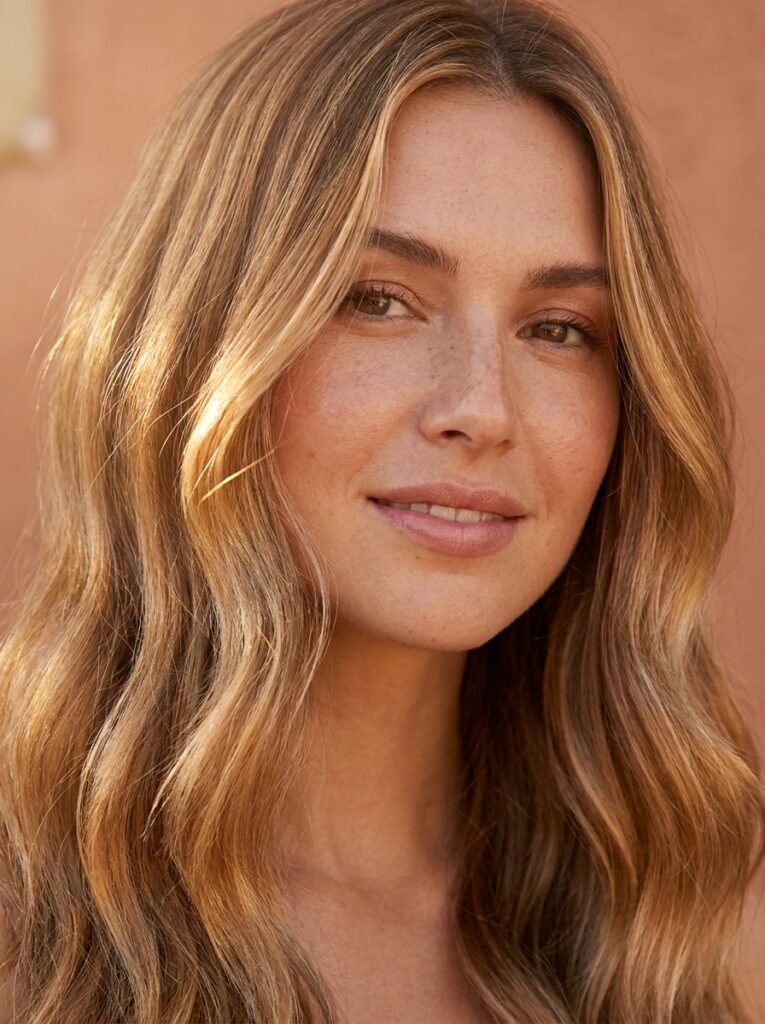
Colour terms describe methods, not outcomes, and that distinction causes a lot of misunderstanding. Balayage is paint applied freehand. Foils wrap sections to drive more lift. Babylights are simply very fine sections.
Gloss and toner belong in a separate category again. Both deposit colour without lifting any, which is why they refresh tone and add shine but cannot make hair lighter.
Describing the result rather than the technique works better in a consultation. Explain how much lighter, how much contrast, and how visible the regrowth should be. The colourist then picks the method that delivers it.
Pixie and Short Cuts — For the Bold and the Beautiful

Pixie covers an enormous range. It runs from a soft crop with length on top to something close to a buzz at the sides. Four specifics narrow it: nape length, sideburn length, weight at the crown, and fringe length.
The nape and sideburns matter most, because they set how masculine or soft the cut reads. Both are also the first areas to lose definition, which drives the maintenance schedule.
The growing-out plan belongs in the same conversation. Ask at the outset what the cut looks like at three months and at six. That question prevents the surprise that ends most short-hair experiments.
Embrace Your Natural Texture — The Best Style You Already Have

Textured hair needs a different consultation altogether, and the first question is about the stylist rather than the cut. Training in textured hair is a specialism, and not every salon has someone who holds it.
Dry cutting is the request that follows. Curls contract as they dry, sometimes by several inches. A length that looks right wet lands far shorter once the pattern returns.
Curl pattern also varies across one head. A good cut follows how the hair actually falls, not a comb. More options along these lines appear in this guide to versatile curly hairstyles for all hair types.
Final Thoughts
None of this requires technical knowledge, only precision. Length as a landmark. Perimeter blunt or soft. Weight taken by point cutting rather than thinning. Disconnection high or low.
Photographs help most in pairs: one showing the target, one showing the thing to avoid. Two images, one of each, communicate more than five variations on the same idea.
The chic hairstyles to refresh your look are rarely exotic ones. They are ordinary cuts requested clearly, by someone who knew which three words mattered before sitting down.
Frequently Asked Questions
How do I know which hairstyle will suit my face shape? Proportion helps more than category matching. A cut that adds height at the crown lengthens, and one that adds width at the jaw broadens. Naming a face shape helps less than naming the effect. Describe which of those two results appeals. This guide to the best medium hairstyles for your face shape goes into more detail.
How often should I get a trim to maintain a chic hairstyle? Structure drives the interval rather than hair health. Blunt cuts and pixies rely on a crisp outline, so they need reshaping every four to six weeks. Layered and textured cuts blur as they grow, which is forgiving. Many hold their shape for ten weeks or more.
Can I refresh my look without cutting my hair? Colour is the obvious route, and a gloss deposits tone without lifting any, so it carries no regrowth line. Moving the parting is the free version. A parting worn the same way for years trains the roots in that direction. Shifting it produces noticeable lift within a few days.
What is the best way to find a hairstylist I can trust? Look at portfolios for hair like yours rather than for cuts you like. Density and texture determine whether a result transfers. A consultation before any appointment is worth booking. It reveals whether the stylist asks questions or simply agrees, and the second is the warning sign.
How do I maintain healthy hair after a style change? Hair is dead keratin, so nothing repairs it. Products coat and smooth, which is genuinely useful but temporary. Lasting gains come from reducing damage instead. Heat protectant, lower heat settings, less daily tension, and a smooth pillowcase all help.