
Quick Makeup Looks for Work, Dates, and Nights Out
Speed in makeup comes from sequence rather than from skill. The same products applied in a different order take twice as long and last half as long. Quick makeup looks for work, dates, and nights out share one principle. Decide the order once, then stop deciding.
Why a Simple Makeup Routine Actually Works Better
Time disappears into decisions, not into products. Choosing a shade, changing course halfway, and fixing mistakes eat the minutes. The application itself takes very few.
A fixed sequence removes those decisions entirely. The same order every morning turns a series of small choices into one continuous movement.
Repetition then compounds the gain. A routine performed identically for a fortnight becomes motor memory, and motor memory is faster than any product upgrade.
Building Your Base for Any Occasion
Pilling is the failure that wastes the most time, and layering too fast causes nearly all of it. Product rolls into small grey balls, and the only fix is starting again.
Two causes account for most cases. Skincare that has not absorbed sits wet under the next layer. Silicone-based products laid over water-based ones separate rather than blend, because the two do not mix.
Waiting a minute between layers solves it, and that minute costs nothing if it runs in parallel with something else. Brushing teeth or filling brows fills the gap perfectly.
The Classic Work Makeup Look
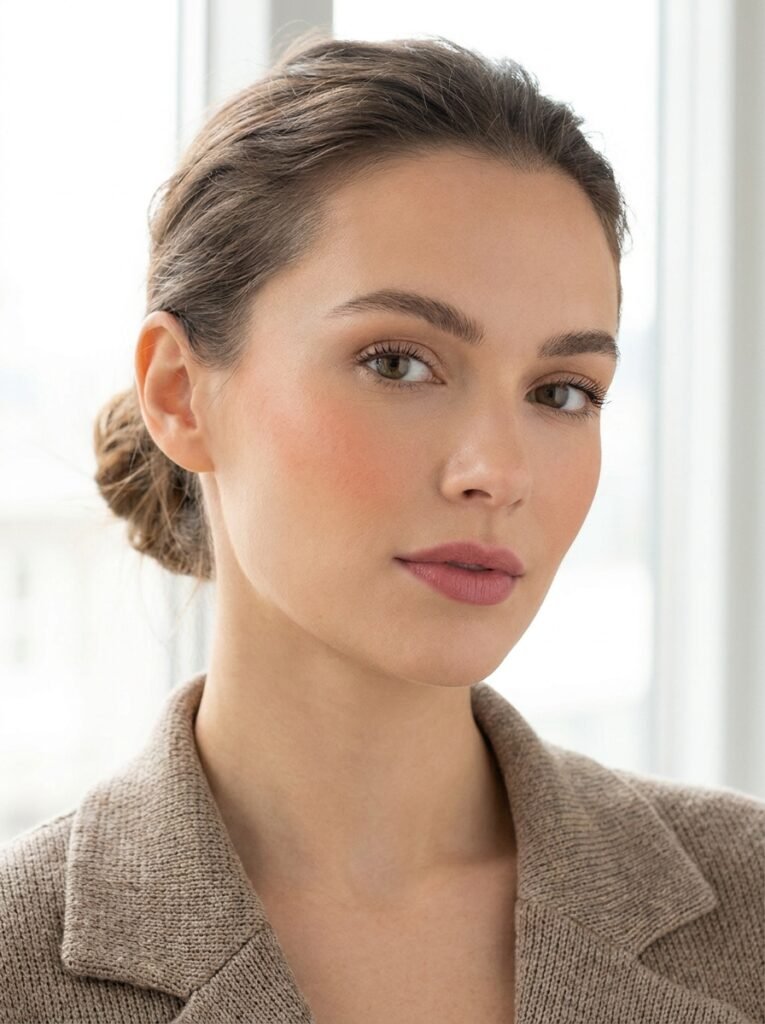
Office lighting works against most makeup. Overhead fluorescents and cool LEDs flatten warmth. A flush that looks correct in a warmly lit bathroom disappears by the time anyone reaches a desk.
Slightly more blush than feels right at home usually reads accurately under those conditions. Checking near a window before leaving gives a more honest reference than any mirror light.
Duration is the other constraint. Quick makeup looks for work need to survive eight hours rather than three. The longest-wearing formulas therefore belong where the face moves most: under-eye, lash line, and lips.
Brows repay the time better than anything else here. They read as grooming rather than as makeup, which is precisely the register most offices reward.
Five-Minute Makeup for the Busiest Mornings
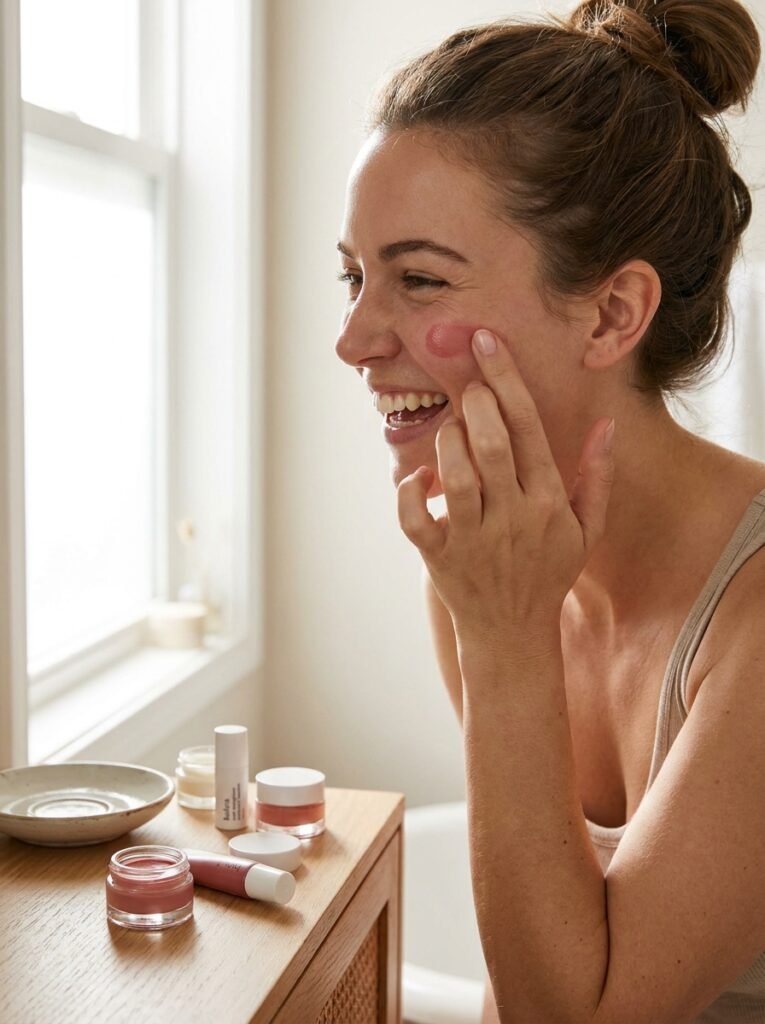
Five minutes divides more usefully than it sounds. Roughly ninety seconds for base and concealer, thirty for blush, sixty for brows, forty-five for mascara, and fifteen for lips. That leaves a minute of slack for the thing that goes wrong.
One decision saves more than all the others combined. Keeping every product in the same finish removes the powder step. Cream over cream blends with fingers and needs no setting.
Multi-use products then compress it further. A cream that works on cheeks and lips halves both the application time and the number of lids to unscrew.
Date Night Makeup That Feels Effortless
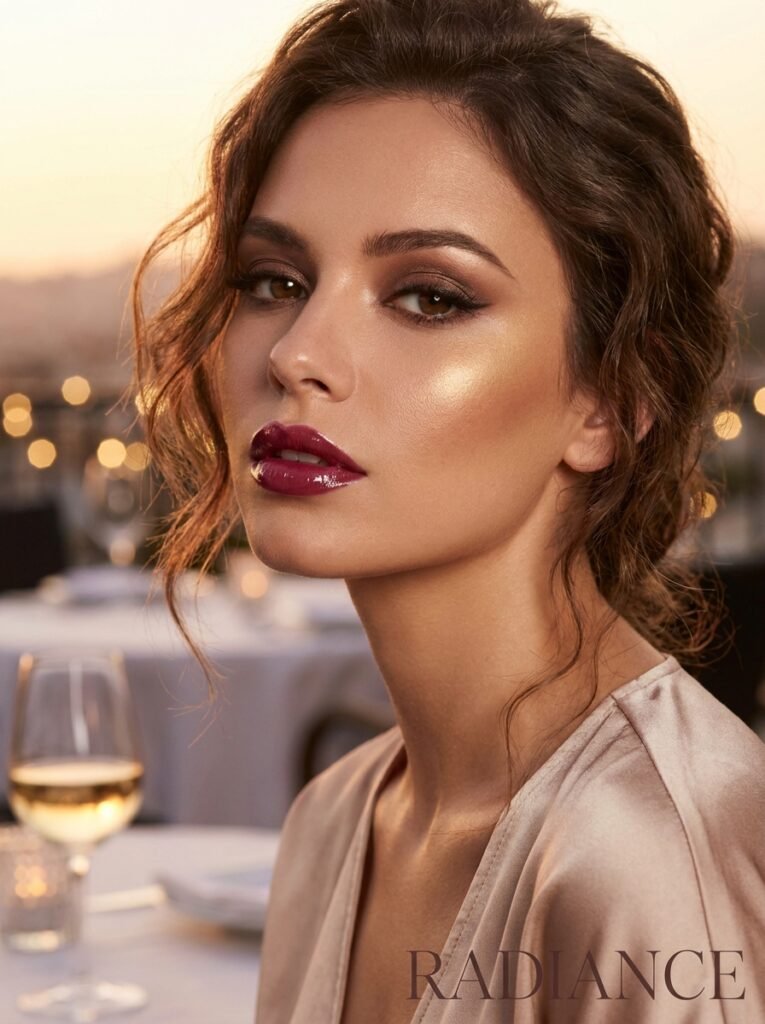
Adding to an eight-hour-old face beats starting over, provided the order holds. Blotting first removes the oil that stops anything new from sitting properly.
After that, matching finishes matters. Cream over set powder grabs and patches. Anything added to a powdered face should be powder too, or the area needs re-creaming first.
Flash photography introduces a specific trap. Sunscreens and primers containing titanium dioxide or zinc oxide bounce light straight back. Photos taken with flash then show a pale cast. Anyone expecting pictures should keep those formulas off the areas that catch it most.
Night Out Glam That Comes Together Quickly

One sequence change saves the most time on a dramatic look. Doing the eyes before the base means fallout lands on bare skin. It then wipes away instead of dragging a finished complexion with it.
Shimmer needs something tacky to cling to. A dab of cream shadow or a slightly damp fingertip gives loose pigment grip. Dry pigment over dry powder scatters most of itself down the cheeks.
Longevity comes from the order too. Primer, then cream, then a powder lock on top builds a structure. That survives a long evening far better than one long-wear product alone.
The Power of Your Eyebrows in Every Look
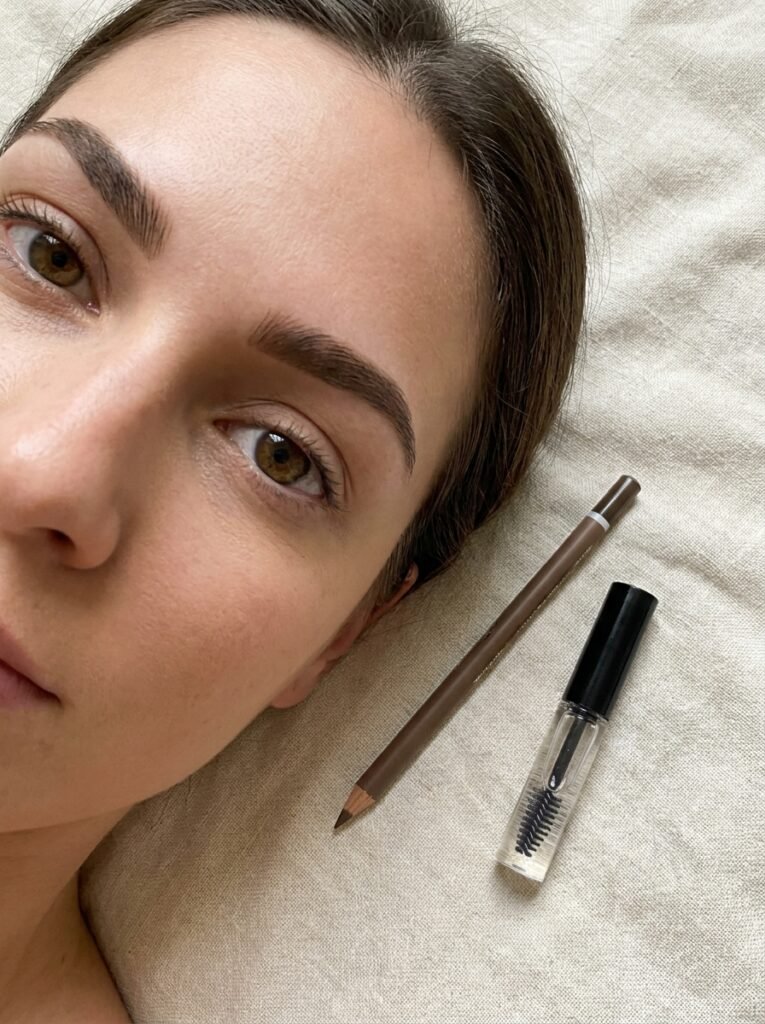
Brows swallow more time than any other step, and chasing symmetry causes it. Faces are not symmetrical, and neither are the brows growing on them.
Working both brows in parallel prevents the spiral. One pass on the left, one on the right, then the next pass on both. Finishing one completely before starting the other guarantees a chase that never ends.
Matching the ends matters more than matching the whole shape. The eye registers where each brow starts and finishes. Thickness in between rarely draws attention at all.
Mastering the Art of the No-Makeup Makeup Look
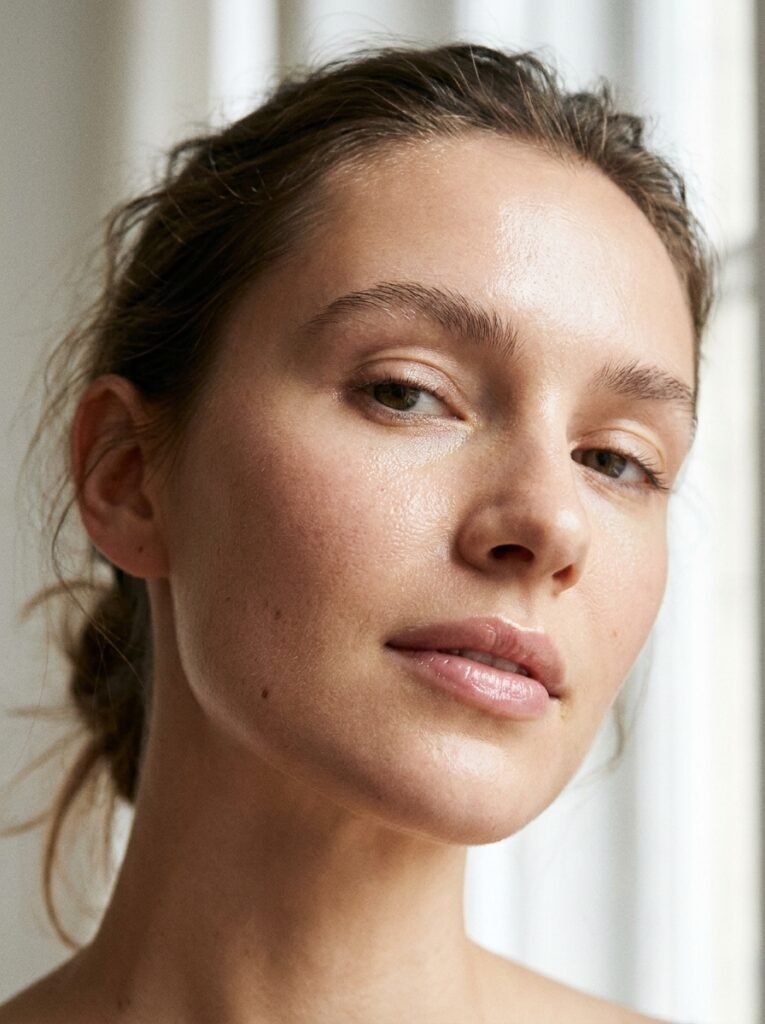
Skin is not uniform, and that is the detail this look depends on. A T-zone shines while cheeks stay drier, so a single finish across the whole face reads immediately as product.
Matching the finish zone by zone fixes it. Powder through the centre and nothing on the cheeks. The face then keeps its natural variation rather than flattening into one surface.
Coverage should follow the same logic. Applying base only where the skin needs evening out leaves bare patches that read as real skin. It also saves a minute. This guide to effortless beauty ideas for a natural finish covers the same approach in more detail.
Skincare as Makeup Prep You Cannot Skip
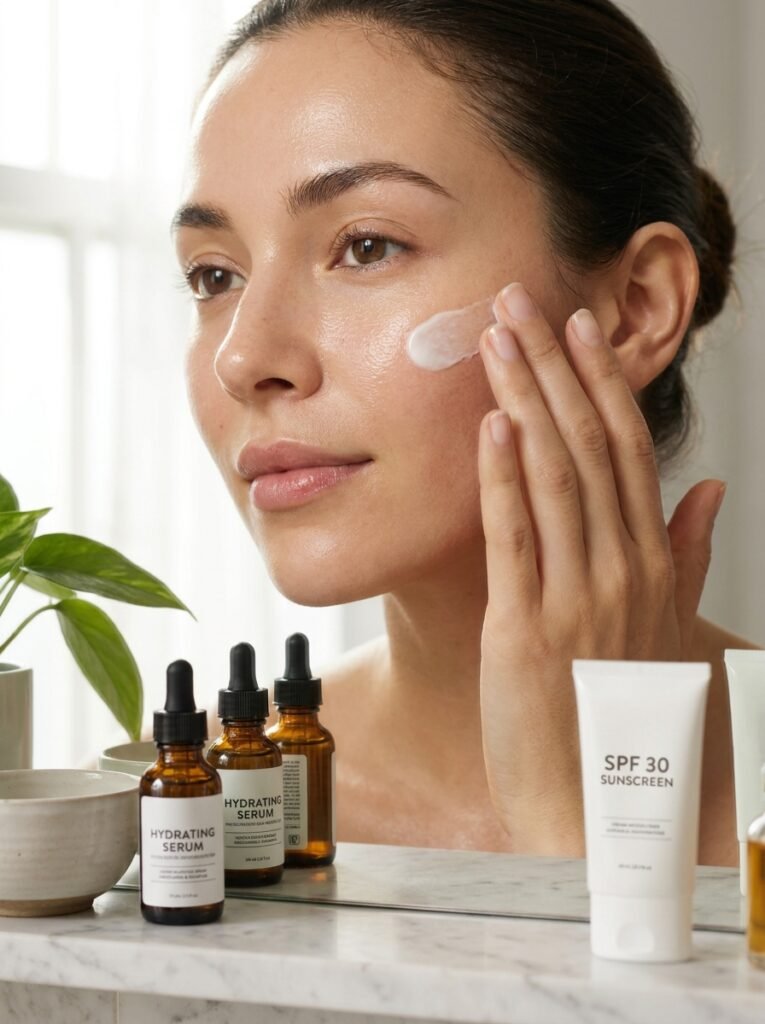
Absorption time is the hidden cost in every morning routine. Sunscreen in particular needs time to form an even film. Rushing base on top disturbs it before it settles.
Exfoliation belongs the night before rather than the same morning. Fresh exfoliation leaves the surface sensitive and slightly damp. Foundation then clings unevenly and stings.
Primer only earns its minute where a problem exists. A mattifying formula across a shiny T-zone or an eye primer under concealer both solve something specific. Across a whole face it adds a step without adding a result.
Lip Products That Do All the Work
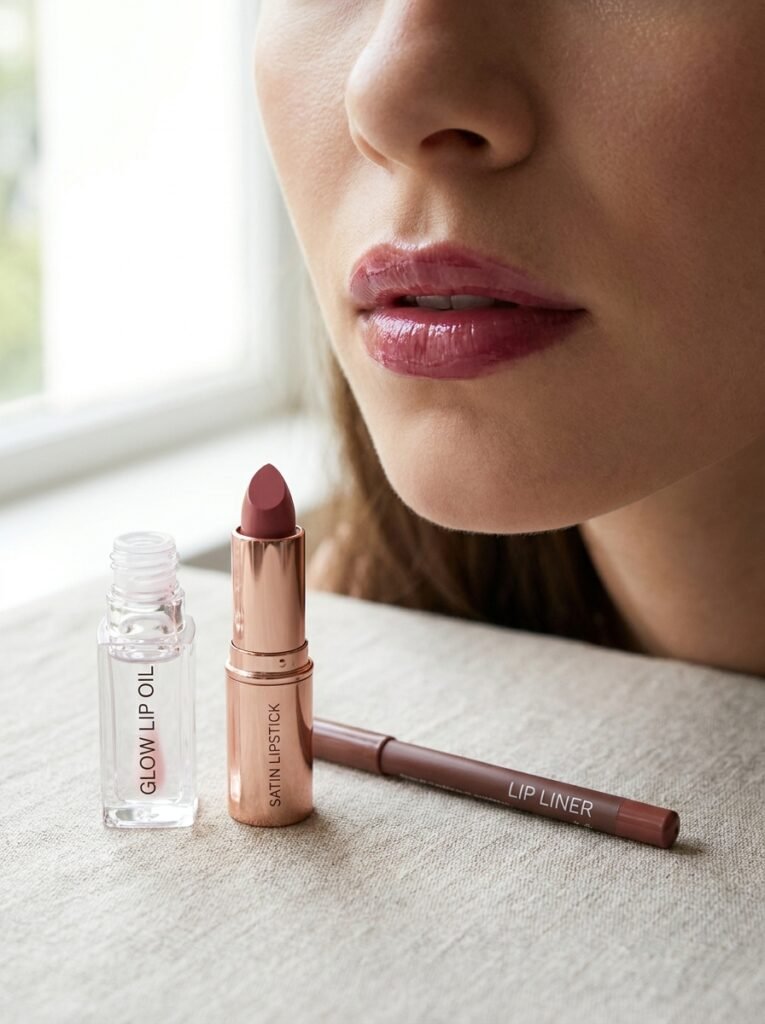
The ring of colour left after lunch has a simple explanation. Lip liner is wax-based and clings, while the creamy colour on top wears away with eating and drinking.
Filling in the entire lip with liner rather than only outlining it solves the problem permanently. Whatever wears off then reveals more liner underneath rather than bare lip inside a border.
Gloss over matte comes with a trade-off worth knowing. The oils in a gloss soften the matte layer beneath. The combination looks excellent and travels more readily than either alone.
Setting Your Makeup to Last All Day
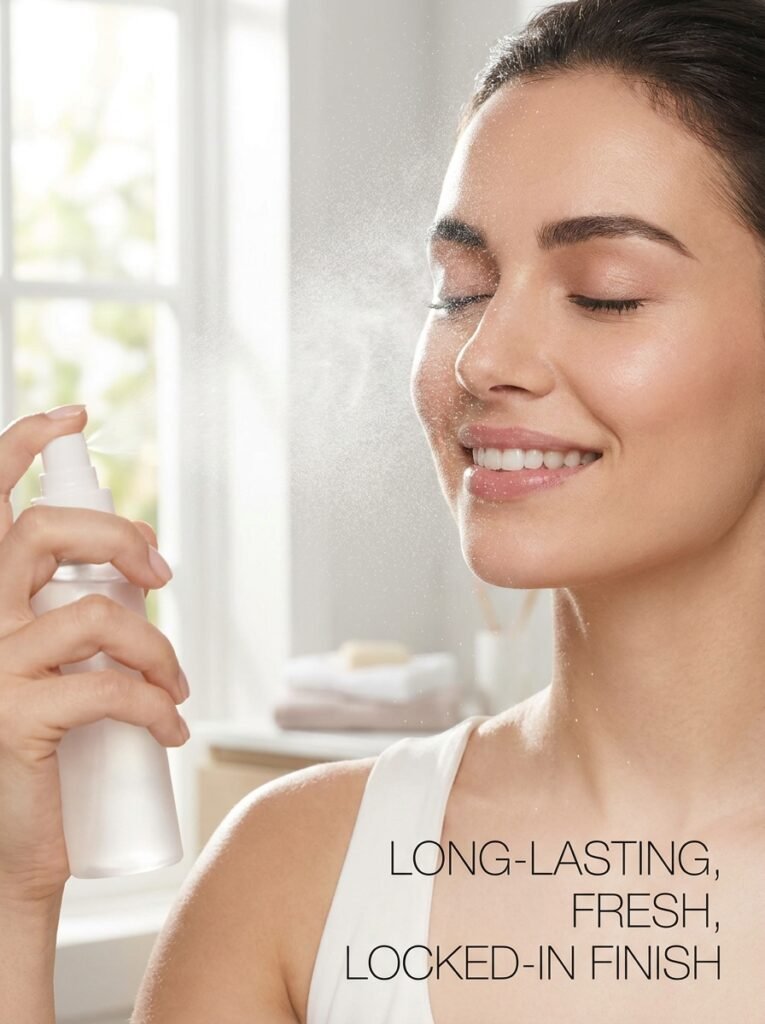
Powder belongs only where movement or oil breaks makeup down. That means the T-zone, the under-eye, and around the nose. A full-face dusting costs time and flattens everything the base was doing.
Baking deserves an honest description, since it appears in every quick-makeup list. A thick layer of powder needs five to ten minutes of dwell time to work. That disqualifies baking from any rushed routine.
Pressing rather than sweeping does most of the same job in seconds. Powder pushed into the surface stays put, while powder swept across it disturbs the layers underneath and settles unevenly.
Choosing the Right Tools for Faster Application
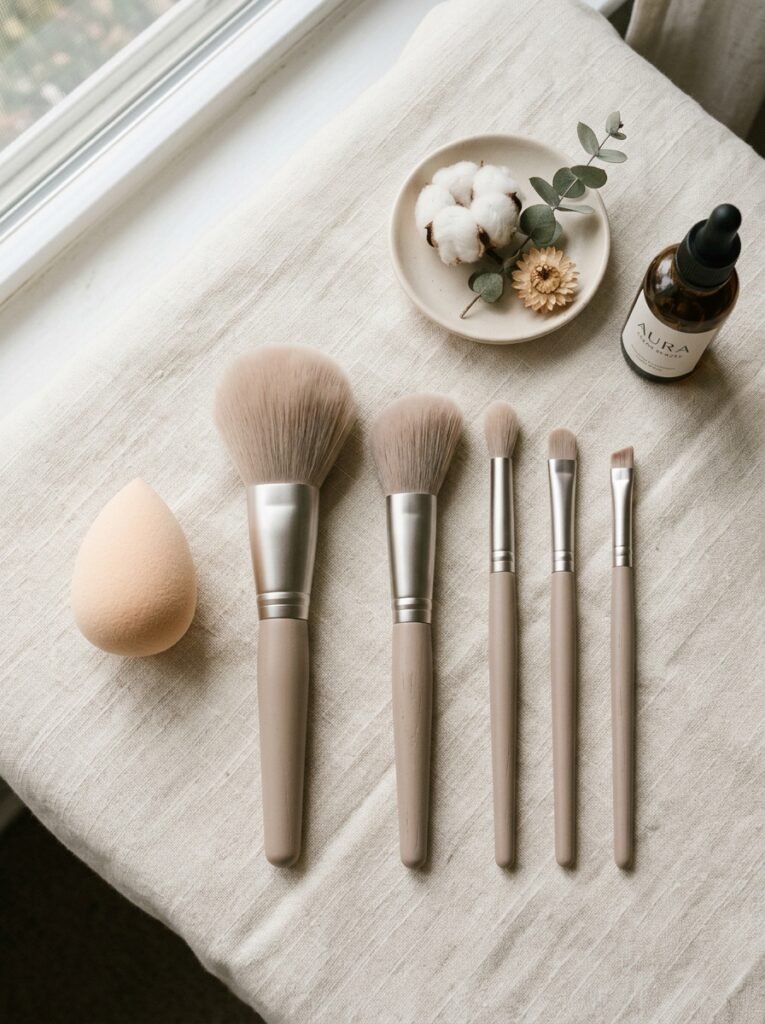
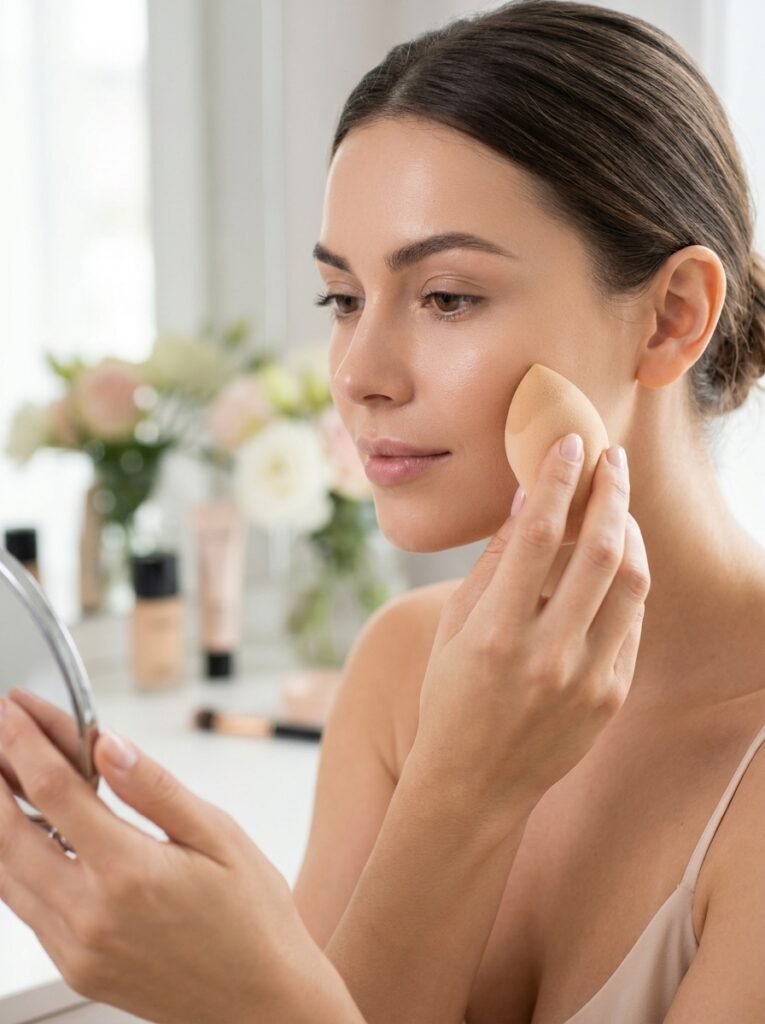
Sponges and brushes trade speed against product. A damp sponge gives the most skin-like finish but absorbs a substantial share of what goes onto it. A brush wastes far less and covers ground faster.
Hygiene is where sponges get expensive in a different sense. Researchers at Aston University tested 467 used cosmetic products. They found contamination in 70 to 90 percent, with blenders carrying the heaviest load and 93 percent never cleaned. Damp sponges left in a bathroom are close to ideal conditions for growth.
Drying matters as much as washing. A sponge rinsed and left damp stays hospitable, whereas one squeezed out and dried in open air does not. Brushes need less frequent attention because they dry between uses.
Final Thoughts
Nearly every minute saved here comes from order rather than from effort. Eyes before base on a heavy look. Liner filling the whole lip rather than tracing it. Both brows in parallel. Powder only where it earns its place. Quick makeup looks for work and for evenings out share the same handful of sequencing decisions. Once those settle into habit, the routine stops requiring thought.
Frequently Asked Questions
How do I make my makeup last longer throughout the day?
Build layers that grip each other. Primer where a problem exists, then cream, then powder pressed into the areas that move. Pressing rather than sweeping the powder makes a noticeable difference on its own.
What are the most important products for a quick everyday look?
Concealer, a brow product, mascara, and a cream that works on both cheeks and lips. Keeping everything in one finish removes the powder step entirely, which is the largest single saving available.
How do I transition from a work look to a night out without starting over?
Blot the oil first, since nothing new sits properly on top of it. Then match finishes, because cream applied over set powder grabs and patches. Deepening the eye and changing the lip takes about five minutes after that.
What is the best makeup look for a first date?
Whatever is already familiar, applied slightly more deliberately. A first date is a poor occasion to try an unpractised technique. If photographs are likely, keep titanium dioxide and zinc oxide formulas off the high points, since both flash back pale.
How do I stop my under-eye concealer from creasing?
Less product, applied in a thin layer, creases far less than a thick one set heavily. Letting eye cream absorb fully first prevents most of the slipping. A light press of powder holds the rest.