Versatile Curly Hairstyles for All Hair Types
Almost every style in this article works by the same physical trick. Hair takes on whatever shape it holds while drying, and releases that shape the moment it gets wet again. That one mechanism makes versatile curly hairstyles far less mysterious. It explains why some sets hold for days and others collapse before lunch.
Understanding Your Curl Type Before You Start
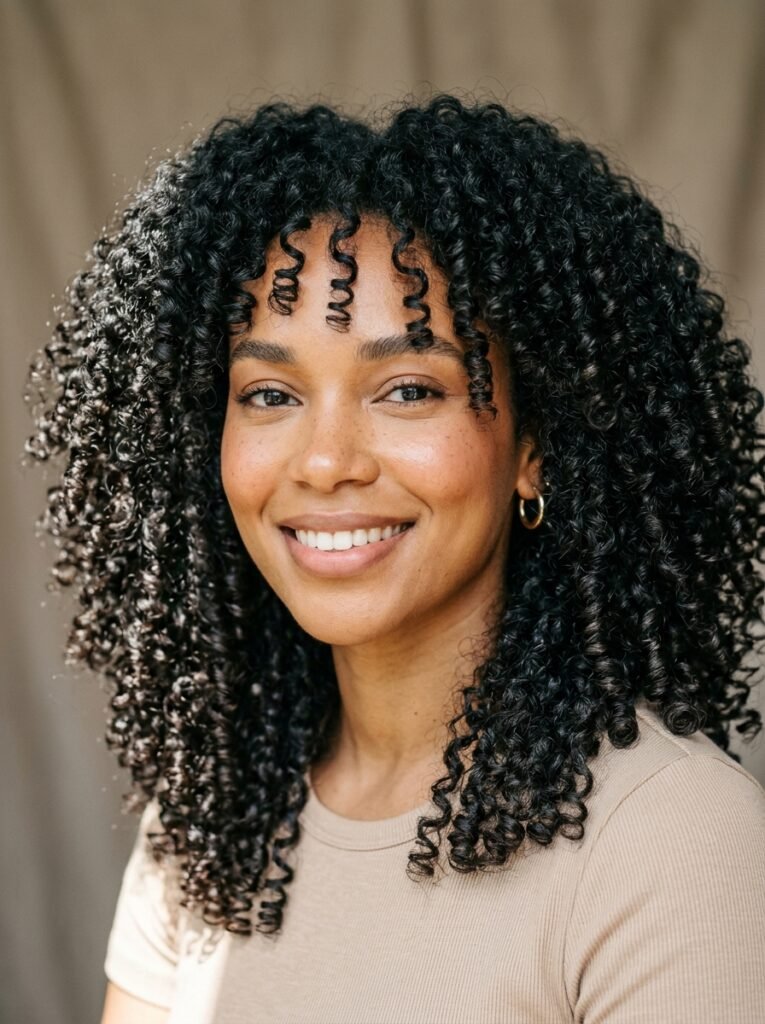
The type 2 to 4 system describes curl shape and nothing else. It is useful shorthand, but it predicts very little about which products will work.
Two other variables do more of that work. Porosity describes how readily the cuticle lets water in and out. Density describes how many strands grow per square inch. Together they determine product weight, drying time, and how long any set survives.
A simple test reads porosity roughly. High-porosity hair soaks water up fast and dries fast, then loses moisture just as quickly. Low-porosity hair resists wetting, takes a long time to dry, and sits under products rather than absorbing them.
Most heads carry more than one pattern too. Looser curls at the nape and tighter ones at the crown are entirely normal. One product therefore rarely satisfies a whole head.
The Classic Wash and Go for Effortless Definition
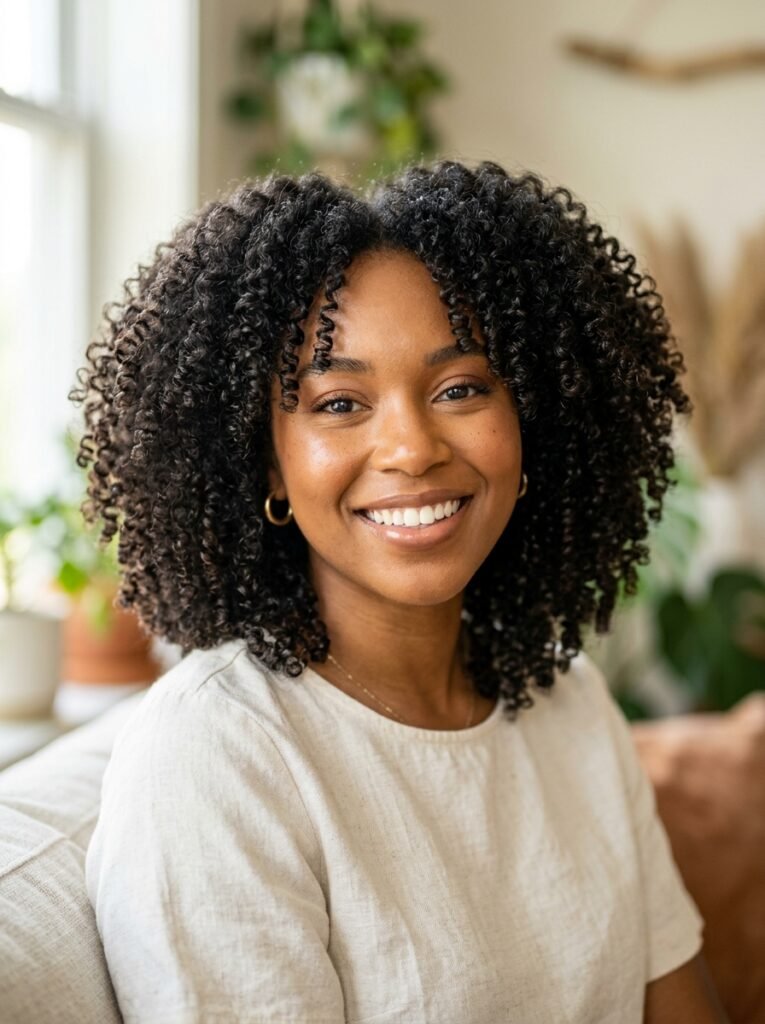
Soaking wet hair is not a preference here, it is the requirement. Water breaks the temporary bonds that hold hair in its current shape, and those bonds reform as the hair dries.
A dermatology review in Anais Brasileiros de Dermatologia puts it plainly. Water breaks the weak hydrogen bonds, and a new configuration then forms and holds. Every set in this article relies on that same principle.
Gel then does one job: it forms a hard shell that stops the curl moving while those bonds reform. Breaking that cast early undoes the set. Scrunching it out only after the hair is completely dry leaves the definition behind and the crunch gone.
Touching the hair mid-dry causes most frizz. Each disturbance shifts strands out of their clumps while the bonds are still setting. They then lock in that scattered position.
The Protective Power of the Twist Out
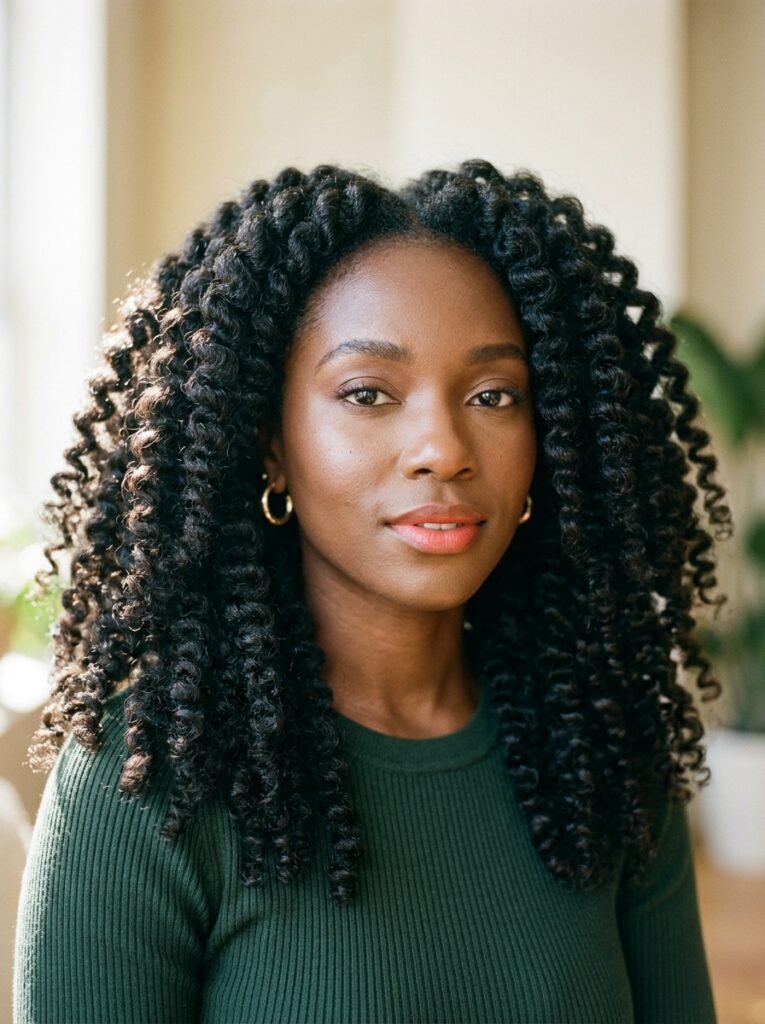
One rule decides whether a twist out succeeds. The twists must be completely dry before takedown, with no dampness anywhere near the roots.
Damp hair has not finished reforming its bonds. Unravelling early releases it back toward its original pattern, and the result reads as frizz rather than as definition. Overnight drying often is not enough on dense or low-porosity hair.
Twist size then sets curl size, which is where the creative control lives. Small twists give tight spirals. Large twists give looser waves with more movement.
Takedown deserves care of its own. A little oil on the fingers cuts the friction that causes frizz, right at the moment of reveal.
Braid Outs for a Different Kind of Definition
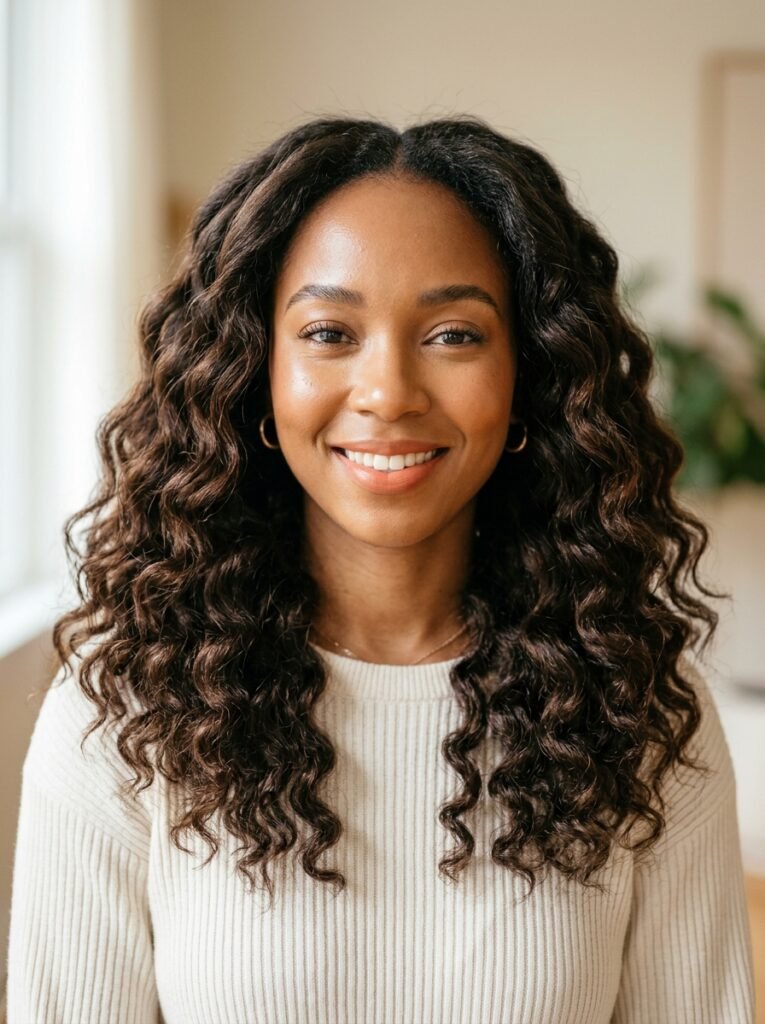
The difference between a braid out and a twist out is geometric. A two-strand twist wraps hair around a central axis, so the strand sets into a spiral.
A three-strand braid bends each section back and forth in a flat plane instead. The result is a zigzag crimp rather than a coil. Braid outs therefore read wavier and slightly more angular.
That flatter geometry also grips better. Braid outs hold their definition longer in humidity. They are the more reliable choice when a twist out keeps falling loose.
The High Puff for Quick and Beautiful Days
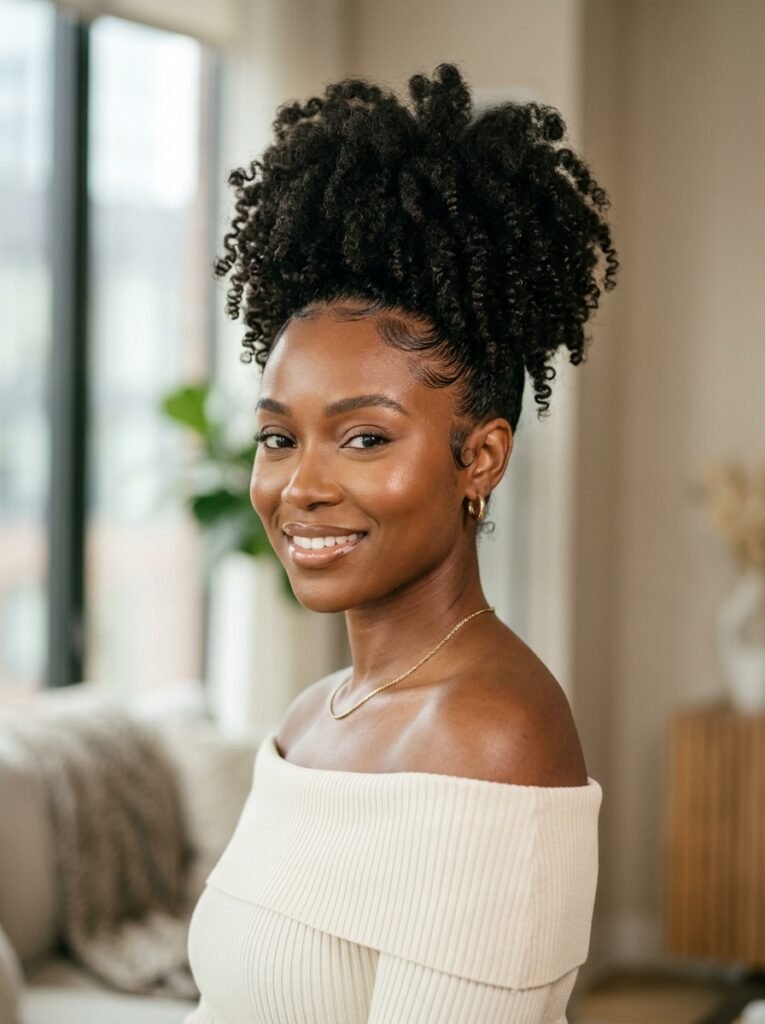
Puff volume comes from stretch, not from the gathering. Hair pulled up straight from a shrunken state stays compact. Hair banded or stretched first fills out considerably more.
The fastening choice matters more than it appears. A soft fabric tie or a length of stocking spreads pressure across a wider area. A thin elastic concentrates it into a narrow band.
Rotating the position solves the rest. Wearing the puff at slightly different heights across a week stops one section of hairline taking every day’s tension.
Half Up Half Down Styles That Work for Every Length
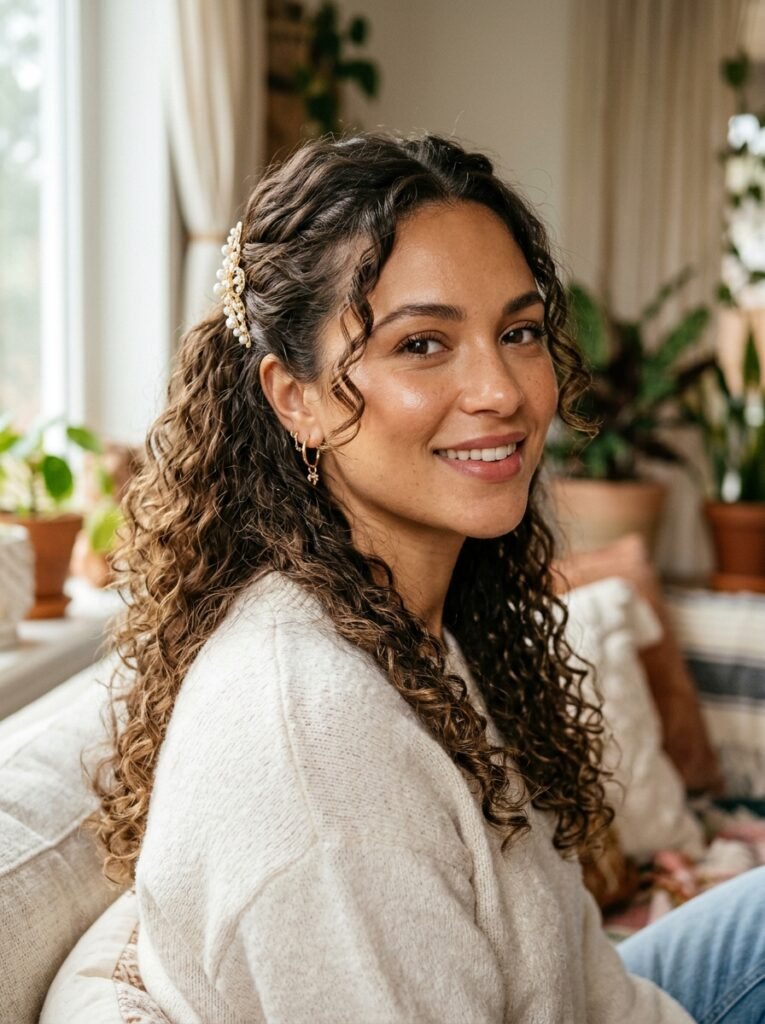
Sectioning is where this style goes wrong on textured hair. A comb-drawn part cuts straight through curl clumps and splits them apart.
Following the clumps instead keeps definition intact. The section line ends up slightly wavy rather than ruler-straight, and the finished style looks better for it.
Fastening should avoid a hard edge. A claw clip or fabric tie holds without pressing a crease into the curls. A tight elastic leaves a flattened line that survives takedown.
Bantu Knots as a Style and a Styling Tool
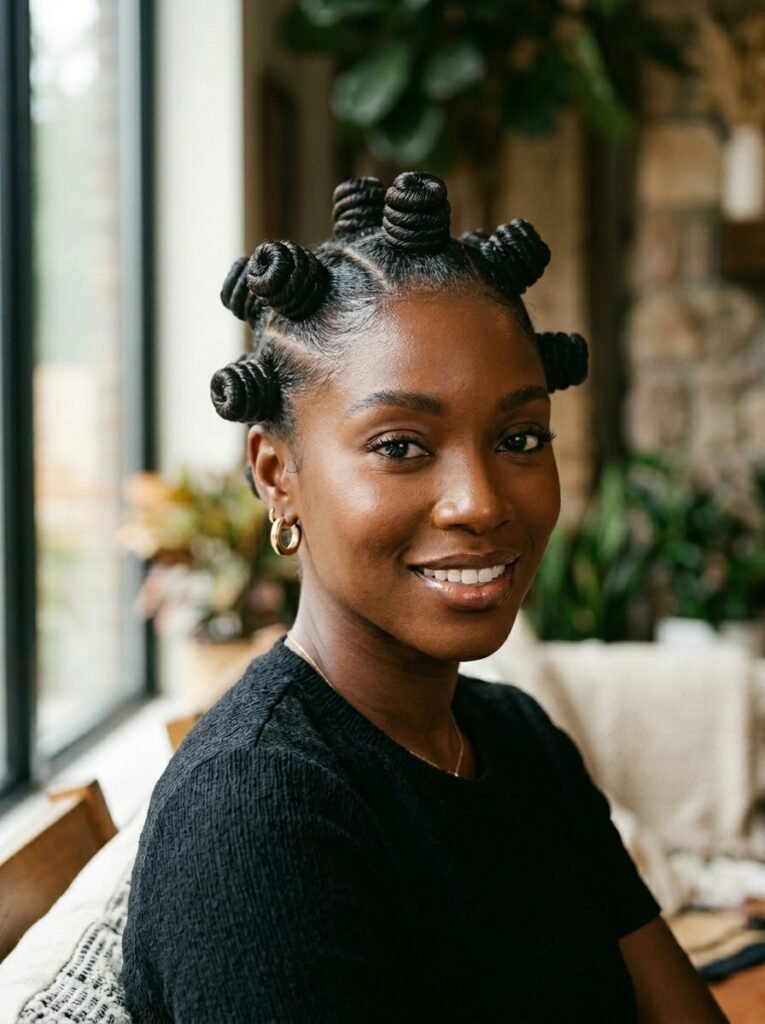
Bantu knots come from Southern African cultures and work as both a finished style and a setting method. Each section coils tightly against the scalp into a compact knot.
The ends decide the result on a knot out. Tips left poking out of the knot never take the set. They dry straight and stick out among the curls. Tucking each end back under the coil prevents that entirely.
Direction should stay consistent across the head. Knots coiled clockwise in one area and anticlockwise in another produce curls that fight each other once released.
Flexi Rods and Curlformers for Added Definition
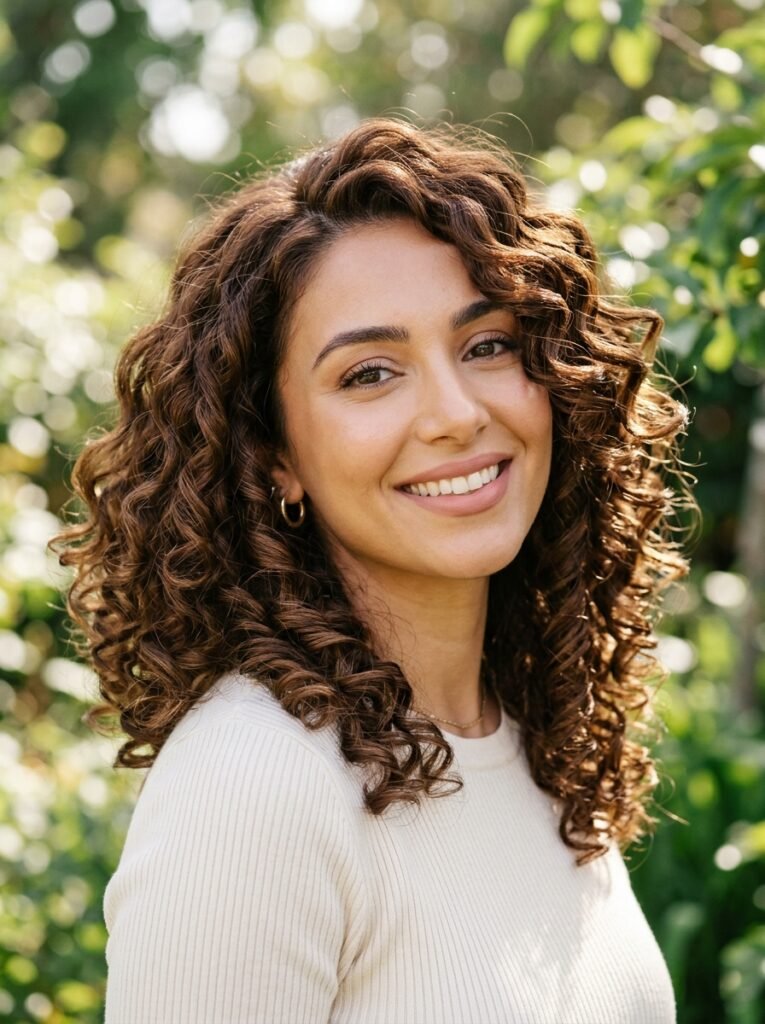
Rod diameter equals curl diameter, which makes the result unusually predictable. That reliability is the main appeal over a twist or braid set.
Damp rather than soaking is the right starting point. Soaking hair on rods can take a full day to dry. A set taken down before it dries fully reverts on the spot.
Curlformers add tension as well as shape. The hair stretches as it sets, which reduces shrinkage and produces noticeably more length than the same hair set loosely.
Braided Styles That Celebrate Natural Texture
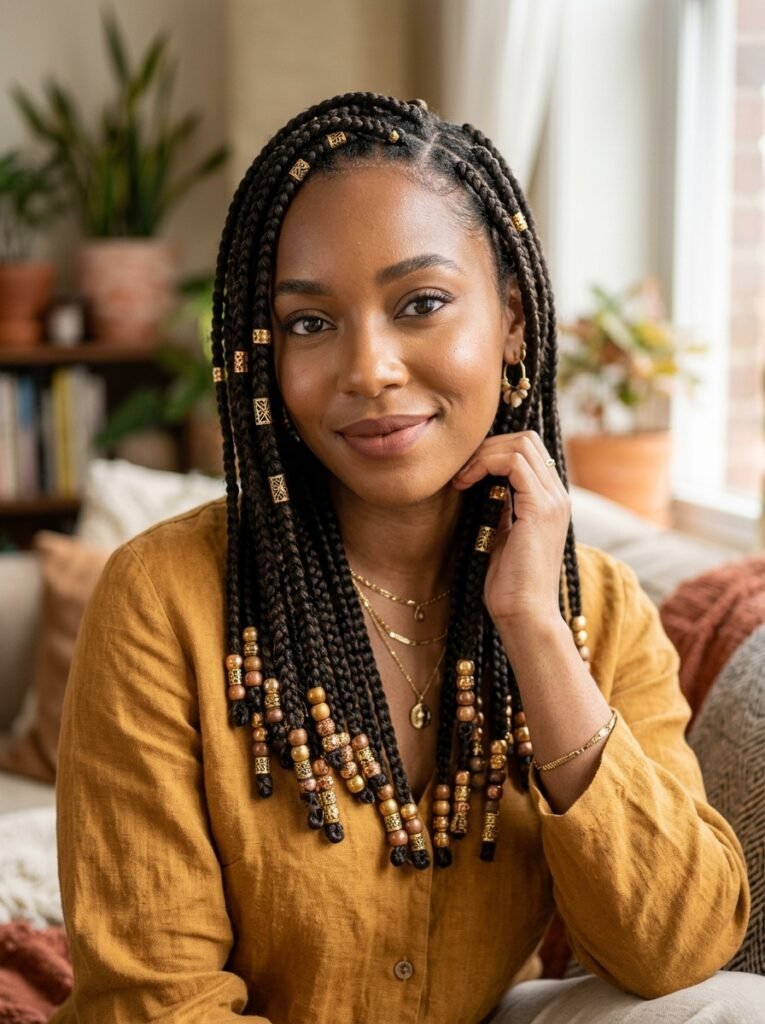
Box braids, cornrows, Senegalese twists, and Ghana braids carry deep cultural history and real practical value. What they protect against is specific: daily manipulation and moisture loss at the ends.
Ends therefore need sealing or tucking. Exposed ends inside a braided style still dry out and split. That removes most of the protection the style promised.
The scalp needs attention during the wear too. A light oil along the partings helps, plus a gentle cleanse every week or two. Both prevent the buildup that causes itching and flaking.
Takedown is where most breakage happens, not installation. Work in small sections and saturate each with conditioner. Detangling from the ends upward protects the length the style spent weeks preserving.
Updos and Buns for Elegant Occasions
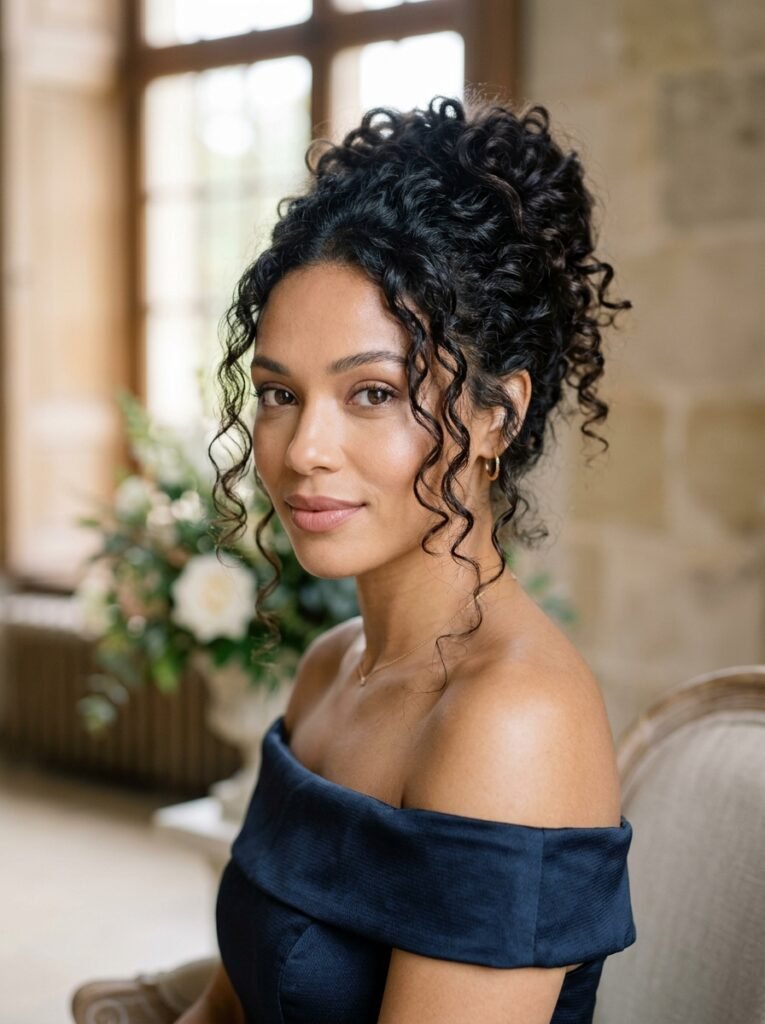
Curly updos work best on second or third-day hair, and the reason is structural. Freshly washed curls slide, while a set that has already dried has enough grip for pins to hold.
Pins need something solid to bite. A pin pushed through loose curls catches nothing. Twisting a section into a rope first gives the pin a dense core to anchor into.
Texture does the rest of the work. Curls create dimension in shapes that look flat on straight hair. A loosely gathered curly bun therefore reads as finished rather than unfinished. This guide to stunning updos for long hair covers the pinning techniques in more detail.
Caring for Your Curls Between Styles
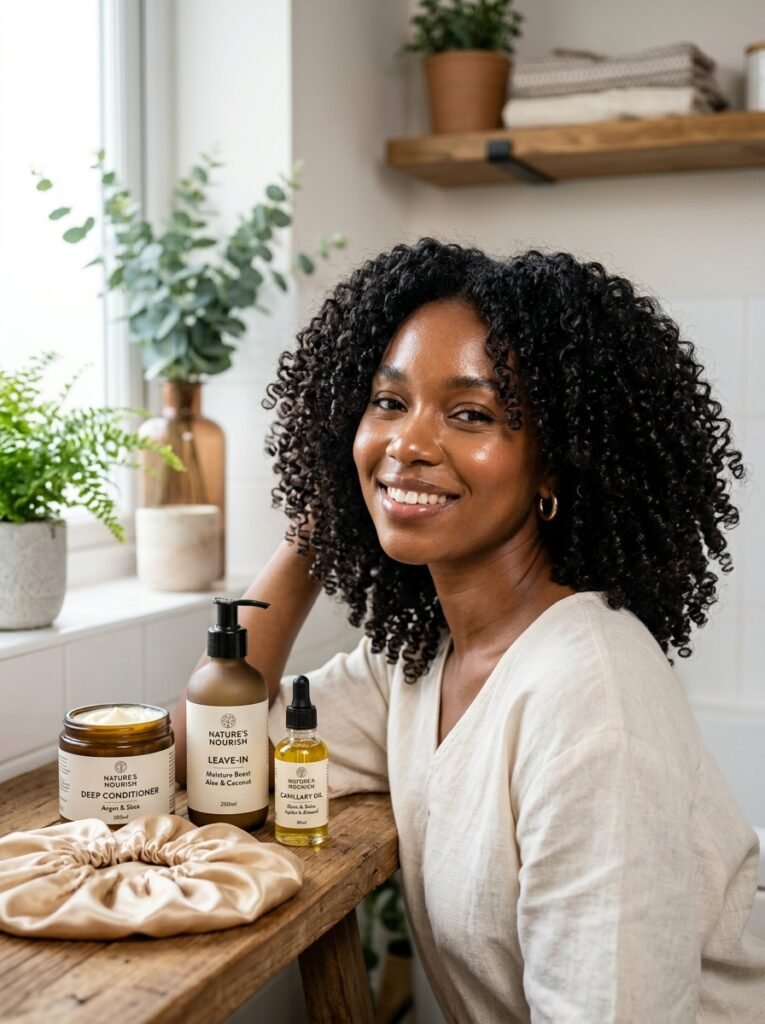
Porosity decides the layering order, which is why LOC works for some people and LCO for others. Neither is universally correct.
High-porosity hair loses water fast, so an oil applied early seals it in. Low-porosity hair struggles to admit water at all. A heavy oil laid on first blocks everything that follows, and the hair stays dry under a slick surface.
Warmth helps a deep conditioner reach the cortex. A shower cap traps body heat. That lifts the cuticle slightly and improves absorption over twenty or thirty minutes.
Night protection preserves the set as much as the moisture. Satin reduces the friction that cotton creates, and pineappling keeps the curls off the pillow entirely.
Embracing Shrinkage as a Feature, Not a Problem
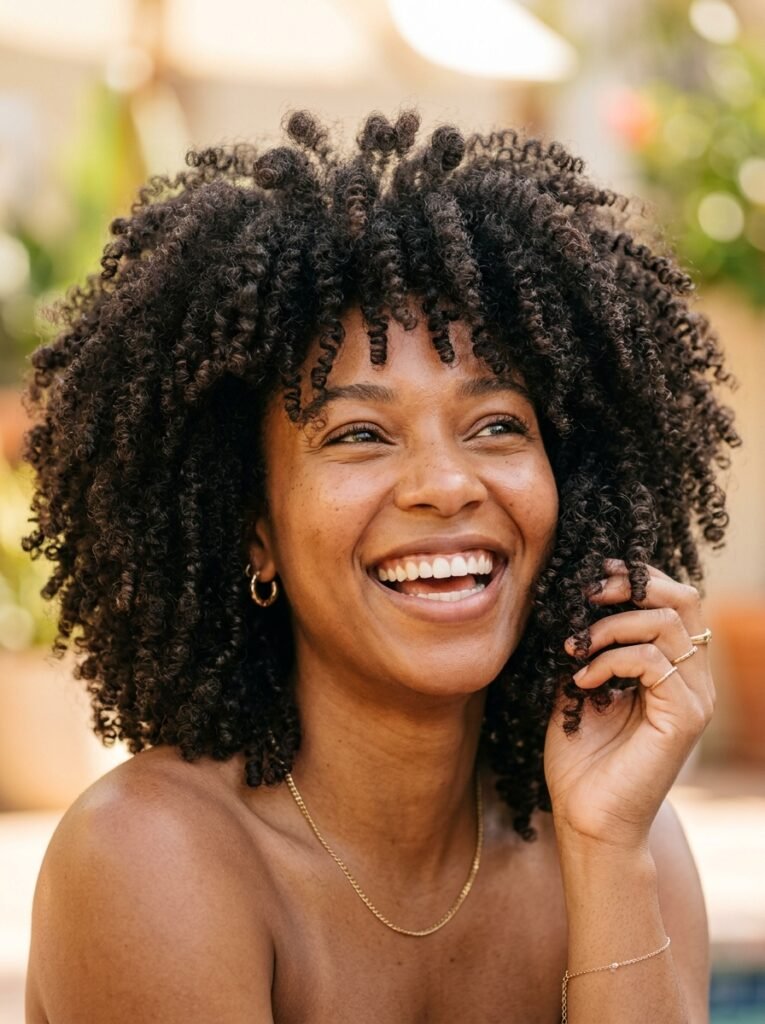
Shrinkage is the curl pattern doing exactly what it should. Hair that springs back fully has retained the elasticity and moisture that let it do so.
Stretching techniques exploit the same bond mechanism in reverse. Holding the strand under gentle tension while it dries changes where the bonds reform. They set in an elongated position rather than a coiled one.
Banding does this with small ties placed at intervals down a section. African threading achieves more stretch by wrapping thread from root to tip. Neither method uses any heat.
The stretch is temporary by definition. Water returns the hair to its natural pattern. That same fact makes every set in this article possible.
Final Thoughts
One mechanism explains nearly all of it. Water releases the temporary bonds. Whatever shape the hair holds while drying is the shape it keeps until the next wash. Twists give spirals, braids give crimps, rods give uniform ringlets, and banding gives length, all through the same process. That is also why complete drying matters so much, and why humidity undoes careful work. These versatile curly hairstyles are variations on a single technique rather than twelve separate skills. The whole set is easier to learn than it first appears. This guide to chic hairstyles to refresh your look covers the salon conversation for anyone considering a cut.
Frequently Asked Questions
What are the best hairstyles for type 4 curly hair?
Twist outs, braid outs, Bantu knot outs, and stretched styles all suit type 4 hair well. Porosity matters more than the type number when choosing products. It determines how much moisture the strand holds and how fast a set dries.
How do I make my curly hairstyle last more than one day?
Protect the set overnight with satin and pineappling, since friction is what breaks the clumps apart. A light water mist reactivates the bonds slightly and lets curls re-form. Too much water releases the set entirely.
Can curly hairstyles work on fine or thin curly hair?
Yes, with lighter products. Fine hair carries less weight before the curl collapses, so mousse and light gels outperform butters and thick creams. Flexi rods work particularly well because the rod holds the shape rather than the product.
How often should I wash curly hair?
Once or twice weekly suits most curl types. Washing resets every style, so the schedule tends to follow the styling routine rather than the other way round. Buildup that stops products absorbing is the signal that a clarifying wash is due.
What is the best way to reduce frizz in curly hair?
Leave the hair alone while it dries. Every touch shifts strands out of their clumps while the bonds are still setting, and they lock in that position. Applying product to soaking wet hair and drying with a microfibre towel or cotton shirt handles the rest.